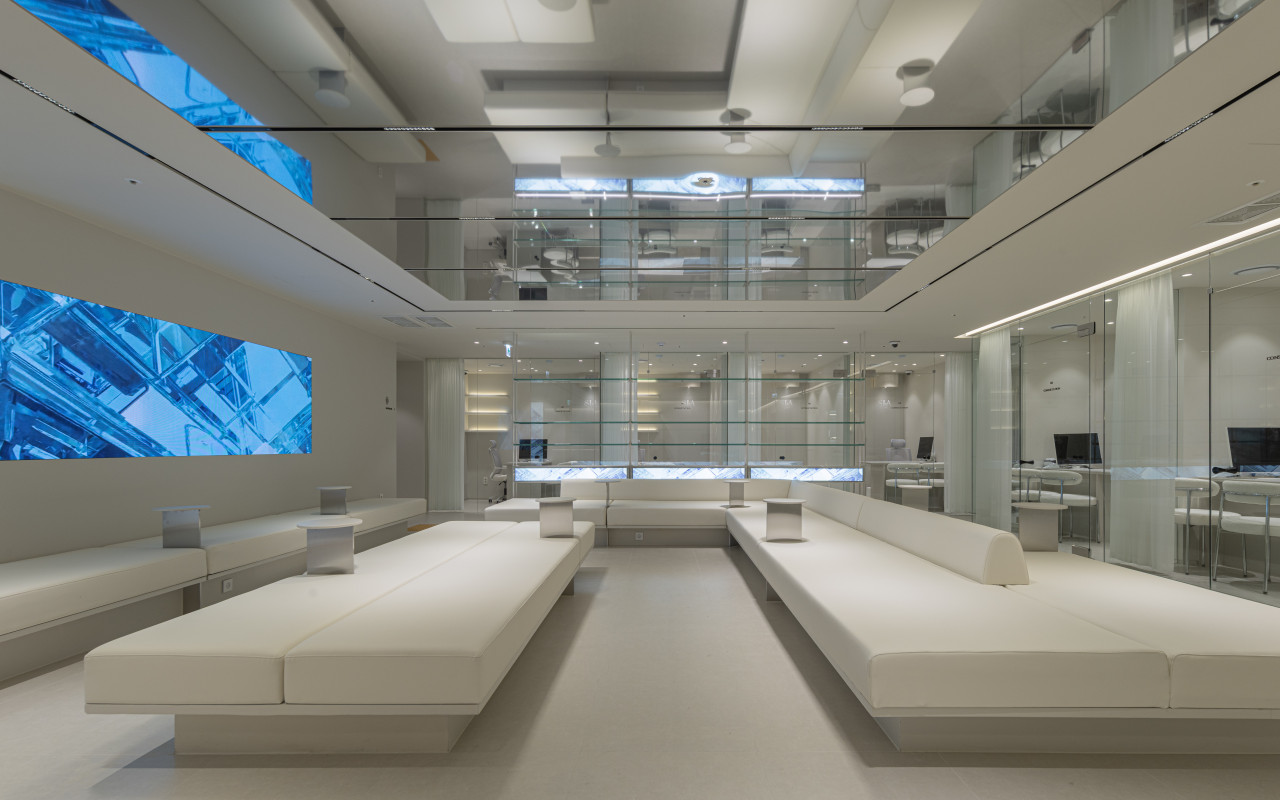
Korea has long been the world’s plastic surgery capital, performing more procedures per capita than any other nation. But 2026 marks a dramatic pivot in philosophy. The industry has decisively moved away from the “overdone” aesthetics of the early 2010s — the unnaturally high nose bridges, the exaggerated double eyelids, the overly sharp jawlines — and embraced what Korean surgeons call “natural harmony enhancement” (자연 조화 미학).
The South Korea cosmetic surgery market is projected to reach USD 12.14 billion by 2034, driven by this new wave of sophistication. International patients are no longer flying to Seoul for dramatic makeovers — they’re coming for subtle refinements that enhance their existing features while preserving their unique identity.
Perhaps the most significant technical advancement of 2026 is the widespread adoption of micro-incision techniques across virtually every procedure category. Korean surgeons are now performing complex operations through incisions as small as 5-6mm, with some procedures requiring no external incisions at all.
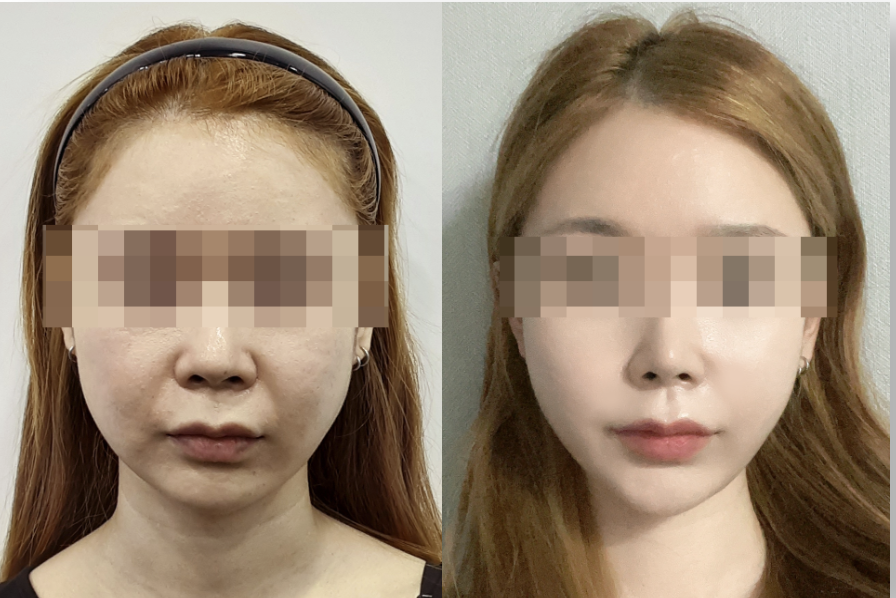
Korean rhinoplasty has evolved dramatically. The closed rhinoplasty technique — where all incisions are made inside the nostrils — has become the gold standard for most cases. This eliminates visible external scars entirely. Instead of the sharp, high “K-pop nose” that dominated the 2010s, patients now overwhelmingly prefer:
Double eyelid surgery (blepharoplasty) remains Korea’s most performed cosmetic procedure, with approximately 200,000 procedures annually. But the approach has fundamentally changed:
One of 2026’s most exciting developments is the mini-incision triple-layer lift (小切口三重提升). This innovative Korean technique makes a tiny ~6mm incision hidden in the hairline above the ear, then uses an endoscope to perform a three-layer lift — skin, fascia, and muscle — with absorbable protein threads. Results last 5+ years, with recovery measured in days rather than weeks.
Korean clinics are at the forefront of integrating artificial intelligence into cosmetic surgery. This isn’t a gimmick — it’s a fundamental improvement in surgical planning and outcomes.
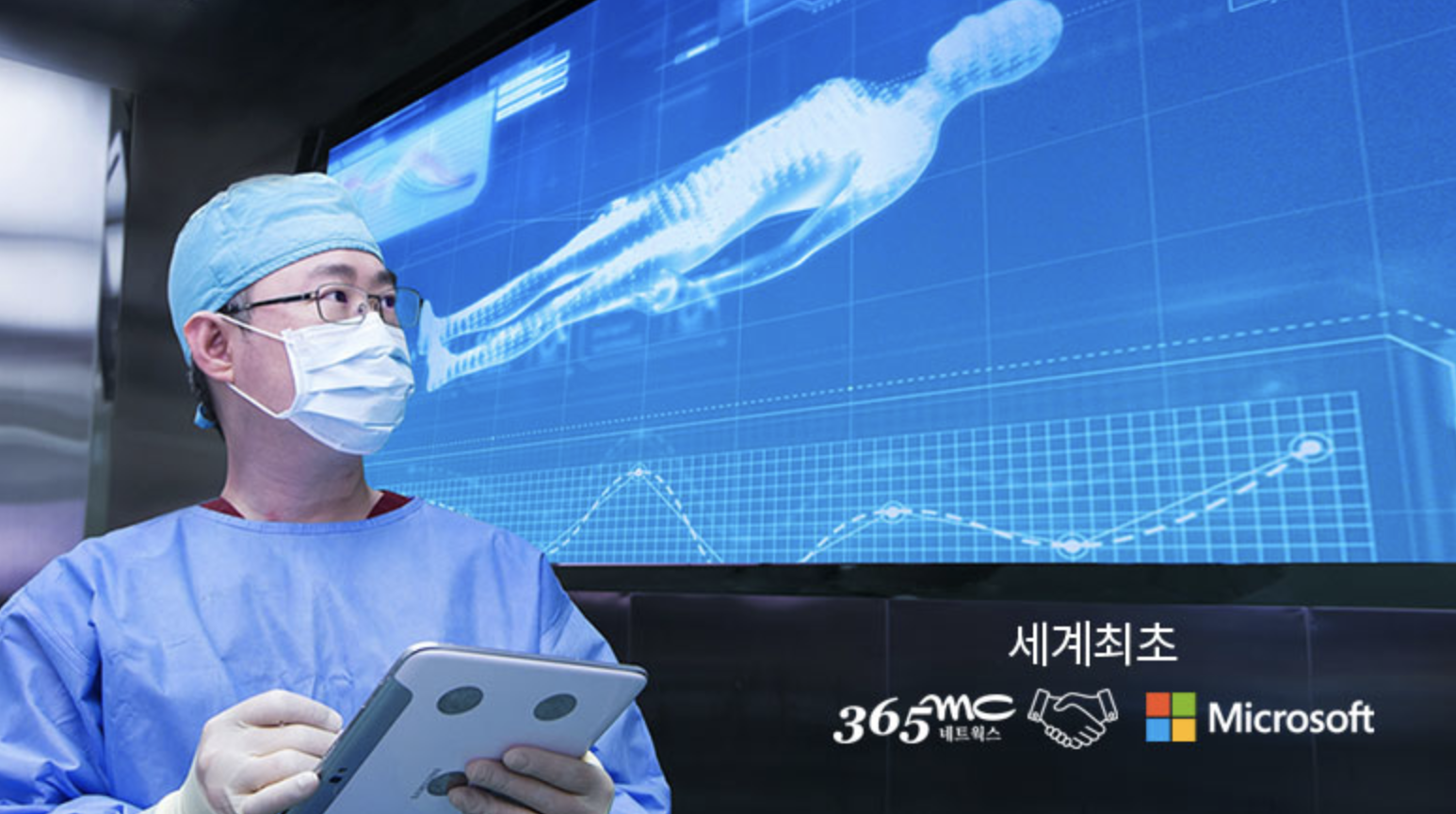
AI algorithms analyze medical images to assess facial symmetry, tissue depth, and bone structure — creating a detailed 3D map unique to each patient.
Patients can see realistic simulations of their post-surgery appearance before committing, dramatically reducing “expectation gaps” and revision rates.
AI systems detect potential complications before they become problems, identifying risk factors in real-time during procedures.
3D facial symmetry mapping ensures no feature appears exaggerated, using golden ratio principles to adjust facial angles for timeless beauty.
A uniquely Korean innovation of 2026 is the “Glass Skin” surgery approach — where plastic surgeons now work alongside dermatologists to address both structural and surface aesthetics simultaneously. The philosophy is simple: the best surgical result means nothing if the skin above it doesn’t glow.
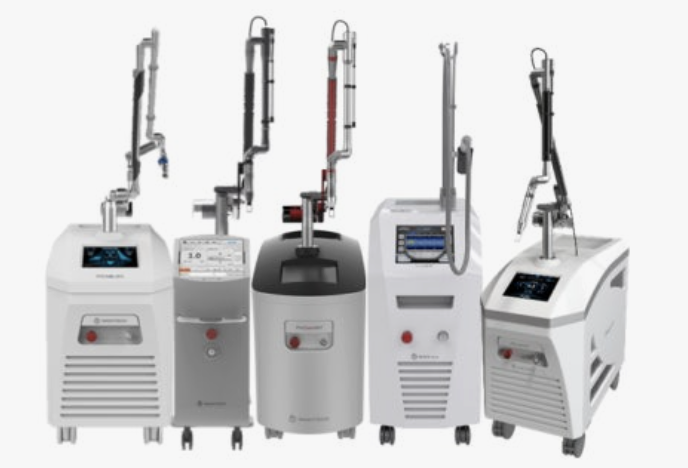
This integrated approach typically combines:
Step 1: Structural surgery (rhinoplasty, contouring, or lifting) to create the ideal facial foundation
Step 2: Healing optimization with growth factors and nutrient infusions to minimize scarring
Step 3: Skin rejuvenation treatments (Rejuran, gold microneedling + exosome therapy, laser resurfacing) timed 4-6 weeks post-surgery
Step 4: Maintenance protocol with personalized skincare regimen for long-term results
2026 represents a tipping point for stem cell medicine in Korean aesthetics and orthopedics. Korea is not only a leader in cosmetic surgery — it is at the forefront of global stem cell research and clinical application. Understanding the different types of stem cells and how they are cultivated is essential for any patient considering regenerative treatments in Korea.
‘ . $img5_tag . ‘
Stem cells are the body’s master cells — capable of self-renewal and differentiation into specialized cell types. They are classified by their differentiation potential:
In Korean aesthetic and regenerative medicine, Mesenchymal Stem Cells (MSCs) are the workhorses. The International Society for Cellular Therapy (ISCT) defines MSCs by three criteria: plastic-adherence in culture, specific surface antigen expression (positive for CD73, CD90, CD105; negative for CD34, CD45), and the ability to differentiate into osteoblasts (bone), adipocytes (fat), and chondroblasts (cartilage) in vitro.
The source and cultivation method of stem cells significantly impacts treatment quality and outcomes. Here are the primary approaches used in Korea:
Harvested from the patient’s own bone marrow (usually the hip). The gold standard for safety — zero risk of immune rejection. Widely used in orthopedic regeneration and fat grafting enrichment. Downside: invasive harvest procedure and limited cell yield, especially in older patients.
Extracted from the patient’s own fat tissue via liposuction. Extremely popular in Korean aesthetic clinics for facial volume restoration and anti-aging. Advantages: abundant cell source, less invasive than bone marrow harvesting, and higher MSC yield per gram of tissue. Often combined with fat grafting procedures.
Derived from donated umbilical cord blood — young, highly proliferative cells with strong differentiation potential. These cells can be manufactured at scale under GMP conditions and used across multiple patients without harvesting from the patient’s own body. Korea is a world leader in this technology (see CARTISTEM® below).
Adult cells (skin or blood) reprogrammed back to a pluripotent state using specific transcription factors. Avoids the ethical concerns of embryonic stem cells while achieving similar versatility. Currently more research-focused in Korea, but rapidly advancing toward clinical applications in tissue engineering.
🇰🇷 Available ONLY in South Korea — nowhere else in the world.
CARTISTEM® (카티스템), developed by Korean biotech pioneer MEDIPOST Co., Ltd., is the world’s first and only government-approved allogeneic (donor-derived) stem cell drug specifically designed to regenerate damaged knee cartilage. Approved by Korea’s MFDS (formerly KFDA) in 2012, this breakthrough therapy remains exclusive to South Korea — no other country has an equivalent approved treatment.
CARTISTEM® is indicated for patients with ICRS Grade IV knee cartilage defects — the most severe level of cartilage degeneration, where cartilage is worn down completely to expose the underlying bone. This condition causes chronic knee pain, swelling, limited mobility, and severely impacts quality of life. Common causes include sports injuries, degenerative arthritis, and traumatic damage.
Traditional treatments for severe cartilage damage — such as microfracture alone, autologous chondrocyte implantation (ACI), or osteochondral grafts — have significant limitations: limited repair tissue quality, donor site morbidity, or the need for multiple surgeries. CARTISTEM® overcomes all of these problems.
CARTISTEM® uses mesenchymal stem cells (MSCs) derived from donated umbilical cord blood — young, highly active cells with exceptional regenerative capacity. The treatment is combined with microfracture surgery: the surgeon creates tiny holes in the exposed bone to stimulate bleeding, then applies CARTISTEM® cells directly to the defect site. These stem cells differentiate into new chondrocytes (cartilage cells), regenerating functional hyaline-like cartilage where none existed before.
Manufacturing (GMP-grade): Cord blood collection from healthy donors → rigorous donor screening → cell separation → passage culture → cryopreservation → thawing and culture (~8 days) → final product. Each vial contains 6.8–8.3 × 10⁶ cells with viability ≥80%, verified by surface markers CD73, CD90, CD105, and CD166.
Key advantage over traditional methods: Because CARTISTEM® uses allogeneic (donor) cells rather than the patient’s own cells, there is no need for a second surgery to harvest cartilage from a healthy part of the knee. This means less surgical trauma, faster recovery, and no donor-site complications. It is a true “off-the-shelf” cell therapy product.
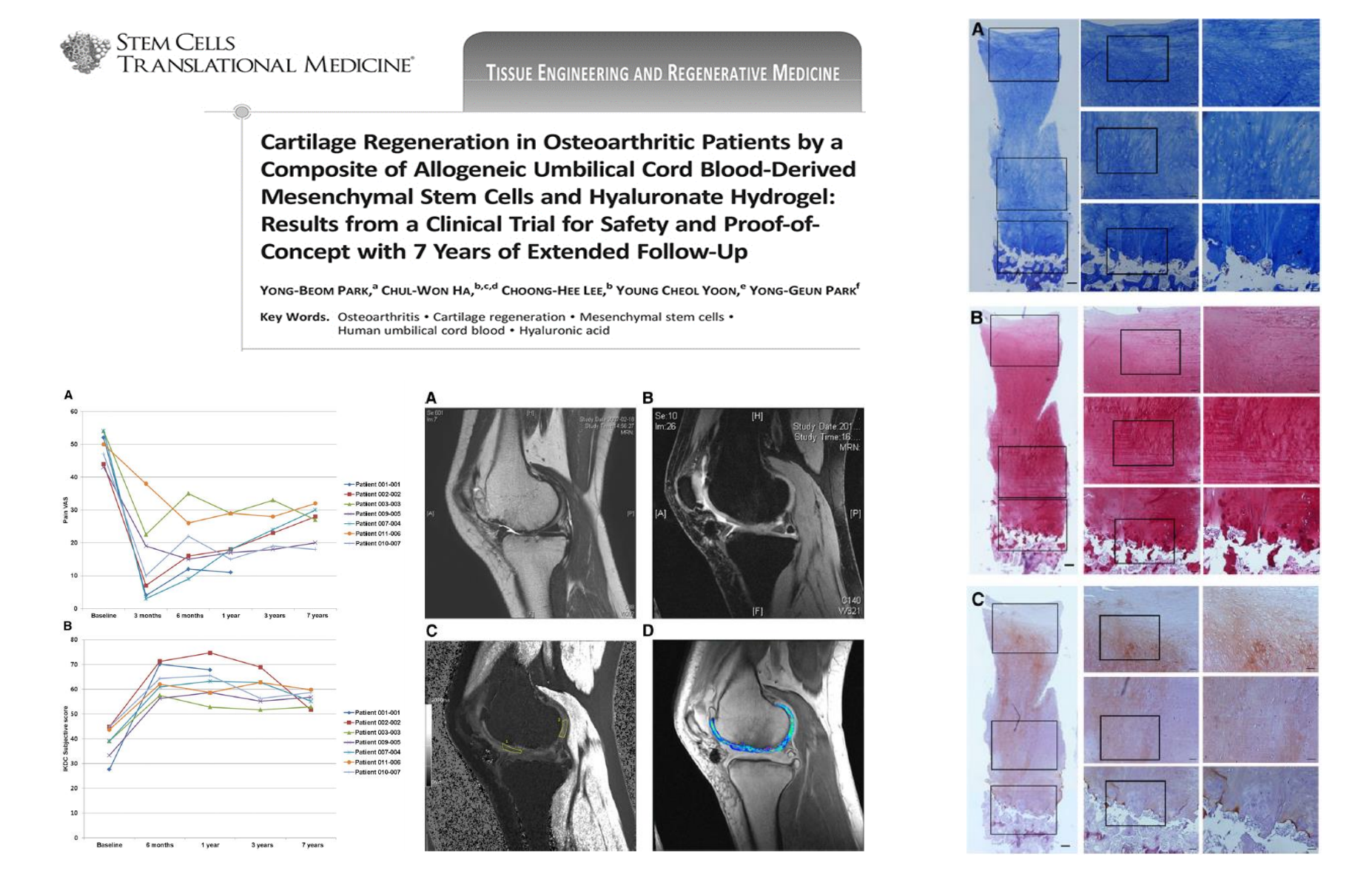
CARTISTEM® is not available in the United States, Europe, Japan, China, or anywhere else. Korea’s uniquely progressive regulatory framework for stem cell medicines, combined with MEDIPOST’s 84 patents and one of Asia’s largest cord blood banks (270,000+ stored units), made this world-first approval possible. For patients suffering from severe knee cartilage damage who have exhausted conventional treatment options, traveling to Korea for CARTISTEM® treatment is the only way to access this cutting-edge therapy.
This Korea-exclusive stem cell expertise extends beyond orthopedics. The same GMP-grade stem cell technology, research infrastructure, and clinical know-how are now being applied to aesthetic medicine — facial rejuvenation, hair restoration, and wound healing — giving Korean clinics a unique technological edge that no other country can match.
One of the most important factors for medical tourists is cost. Here’s a comprehensive, up-to-date pricing guide based on 2026 data from leading Seoul clinics.
The “single procedure” approach is rapidly giving way to comprehensive, personalized treatment plans. Rather than offering generic, one-size-fits-all procedures, Korean surgeons now design multi-step protocols tailored to individual facial structures, proportions, skin conditions, and aesthetic goals.
Mini facelift + fat grafting + Rejuran therapy. For patients 35-50 seeking comprehensive anti-aging without dramatic surgery.
₩8,000,000–₩15,000,000
Rhinoplasty + double eyelid revision + chin adjustment. For patients wanting balanced facial proportion improvement.
₩6,000,000–₩12,000,000
Thread lift + exosome therapy + Thermage FLX + custom skincare protocol. Non-surgical total rejuvenation.
₩5,000,000–₩10,000,000
While Korea offers world-class aesthetic medicine, the rapid growth of medical tourism has also attracted unscrupulous operators. Here’s what every foreign patient must know:
A “ghost doctor” (影子医生) is an unlicensed or less experienced surgeon who performs the actual procedure while the patient is under anesthesia, even though a different (more famous) doctor was consulted. This is illegal in South Korea but unfortunately still occurs at some high-volume clinics. The best protection: insist on a written guarantee that your consulted surgeon will perform the entire operation, and consider choosing clinics where the consulting surgeon is also the clinic owner.
One of 2026’s most notable trends is the rapid growth in male cosmetic procedures. No longer stigmatized, Korean men are increasingly seeking subtle enhancements. The most popular procedures for men include rhinoplasty for a stronger but natural bridge profile, jawline definition and chin augmentation, under-eye fat repositioning, and hair transplants using advanced FUE techniques.
Korean clinics are responding with male-specific consultation approaches, recognizing that male aesthetic goals differ significantly from female patients. The focus is on projecting confidence and professionalism rather than “beauty” — a subtle but important distinction.
Korea’s plastic surgery industry in 2026 represents the most sophisticated, technology-driven, and patient-centered aesthetic medicine ecosystem on the planet. The convergence of micro-incision techniques, AI-guided planning, regenerative medicine, and the natural beauty philosophy means that patients today have access to results that were simply impossible just five years ago.
The key to a successful experience is preparation: research thoroughly, verify credentials rigorously, and work with trusted partners who prioritize your safety and satisfaction above all else.
BeautsGo connects you with Korea’s top board-certified surgeons, provides KIPSA-certified interpreters, and offers lifetime post-operative follow-up — all at transparent, commission-free pricing.
Disclaimer: This article is for informational purposes only and does not constitute medical advice. All medical procedures carry risks. Consult with a qualified, board-certified surgeon before making any decisions. Prices are approximate and may vary by clinic, surgeon, and individual case complexity. BeautsGo recommends in-person consultations for accurate assessments and pricing.
Contact BeautsGo for personalized recommendations:
添加我们的专业顾问,获取个性化手术方案和费用评估