
Protruding mouth (mouth protrusion) is a facial concern that troubles many beauty seekers. When viewed from the side, the mouth area is noticeably projected forward, and even when the lips are closed, they appear to be pouting outward, affecting overall facial aesthetics and profile contour. The causes of a protruding mouth are complex, involving bones, teeth, and soft tissues at multiple levels, which is why a precise diagnosis is essential before developing a targeted treatment plan. Korea has extensive clinical experience and a variety of mature surgical options in the field of protruding mouth correction. This article provides a detailed analysis of the causes, treatment methods, and surgical outcomes for protruding mouth.
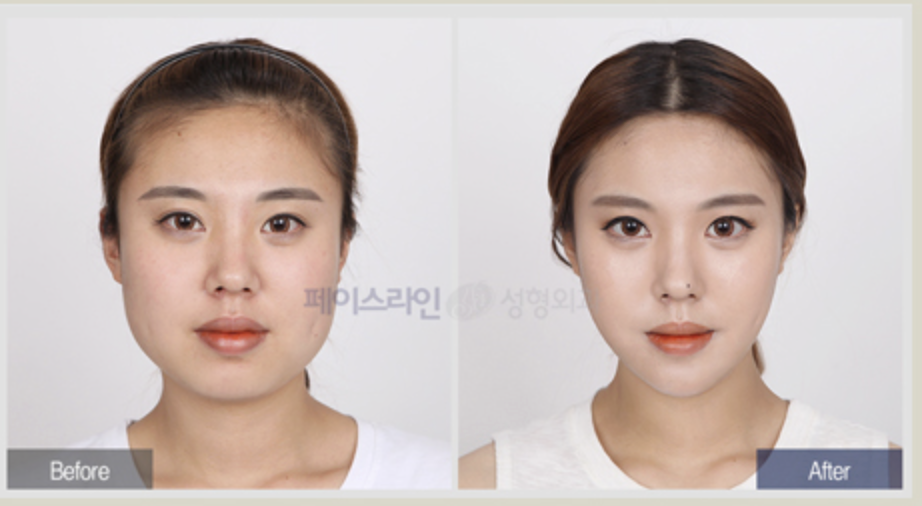
1. What is a Protruding Mouth?
A protruding mouth refers to a facial profile where the upper and lower lips, or the entire perioral area, project noticeably forward relative to the line connecting the nose tip and chin (the aesthetic E-line). Normally, when a straight line is drawn from the nose tip to the chin tip (E-line), the upper and lower lips should be on or slightly behind this line. When the lips clearly extend beyond this line, a protruding mouth condition can be diagnosed.
A protruding mouth not only affects profile aesthetics but may also cause the following issues:
• Lips appear tense and unnatural when closed
• Facial expressions look stiff
• The chin appears relatively recessed
• The nasolabial angle (angle between the nose and upper lip) is too small
• Affects self-confidence and social image
2. Common Causes of Protruding Mouth
The causes of a protruding mouth are diverse. Accurate diagnosis is the prerequisite for developing the correct treatment plan.
1. Skeletal Protrusion
Excessive forward projection of the anterior maxillary and/or mandibular bones is the most fundamental cause. This type of protrusion is difficult to resolve with orthodontics alone and usually requires surgical intervention.
Skeletal protrusion can be further classified as:
• Maxillary protrusion: Excessive forward growth of the anterior maxilla
• Bimaxillary protrusion: Both upper and lower jaws protrude — the most common type of skeletal protrusion
• Mandibular retrusion: The mandible is positioned too far back, making the upper jaw appear relatively protruding
2. Dental Protrusion
The bone position is normal, but the teeth are angled excessively forward, pushing the lips outward. This type can be improved through orthodontic treatment to adjust tooth angulation.
3. Soft Tissue Protrusion
The bones and teeth are in normal position, but the soft tissue around the lips (lip muscles, fat, etc.) is thick, making the mouth appear protruding.
4. Combined Protrusion
Multiple factors coexist simultaneously — this is the most common clinical scenario. A comprehensive evaluation is needed to develop a combined treatment plan.
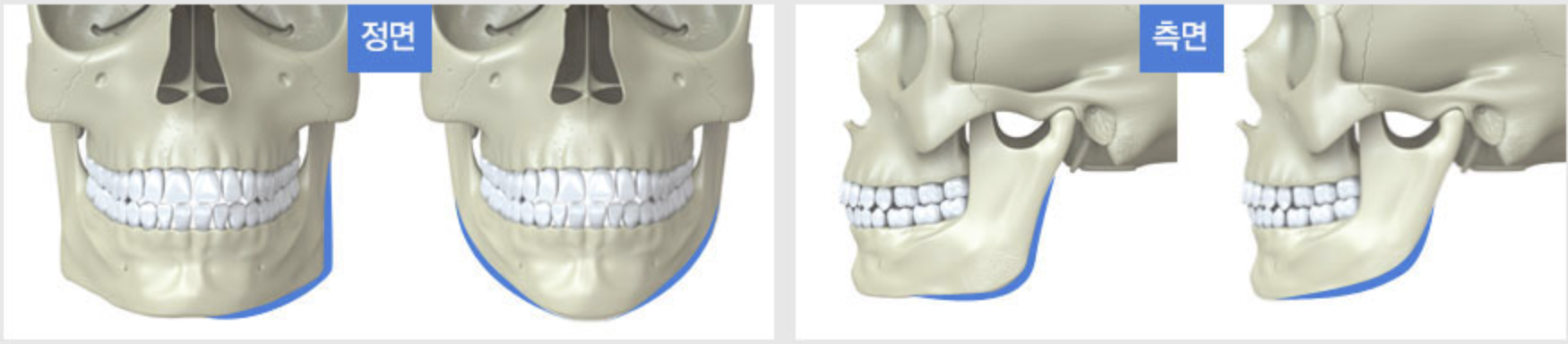
3. Treatment Options for Protruding Mouth Correction
Depending on the cause and severity, treatment options include:
1. Anterior Segmental Osteotomy (ASO Surgery)
ASO (Anterior Segmental Osteotomy) is the most classic surgical method for treating protruding mouth. The procedure involves extracting two first premolars from each jaw (4 teeth total), then pushing the anterior teeth and bone segment backward as a unit, thereby retracting the protruding mouth.
Surgery features:
• Targets the anterior dental bone segment for overall retraction
• Usually requires extraction of 4 premolars to create space
• Retraction distance can be precisely controlled (typically 3-7mm)
• Intraoral incision — no external scarring
• Surgery duration: approximately 2-3 hours
• Suitable for moderate to severe skeletal protrusion
2. Double Jaw Surgery for Protruding Mouth
For severe skeletal protrusion, especially patients with concurrent bite problems, double jaw surgery may be needed. This surgery can simultaneously adjust the anteroposterior relationship of both jaws, correcting the protrusion while improving bite function.
Applicable cases:
• Severe skeletal protrusion
• Protrusion accompanied by underbite or other bite abnormalities
• Requires large-scale bone movement (exceeding 7mm)
• Facial asymmetry combined with protrusion
3. Orthodontic Treatment
For mild dental protrusion, orthodontics (braces) can adjust tooth angulation and alignment to improve the protruding appearance without surgery.
Applicable cases:
• Pure dental protrusion with normal bone position
• Significant forward angulation of teeth
• Younger patients willing to undergo 1-2 years of treatment
• Better results when combined with tooth extraction
4. Combined Surgery + Orthodontic Treatment
Many protruding mouth patients require a comprehensive plan combining surgery and orthodontics. Options include:
• Orthodontics first, then surgery: Align teeth first, then perform osteotomy
• Surgery first, then orthodontics: Address bone issues first, then fine-tune teeth
• Simultaneous approach: Adjust teeth during surgery
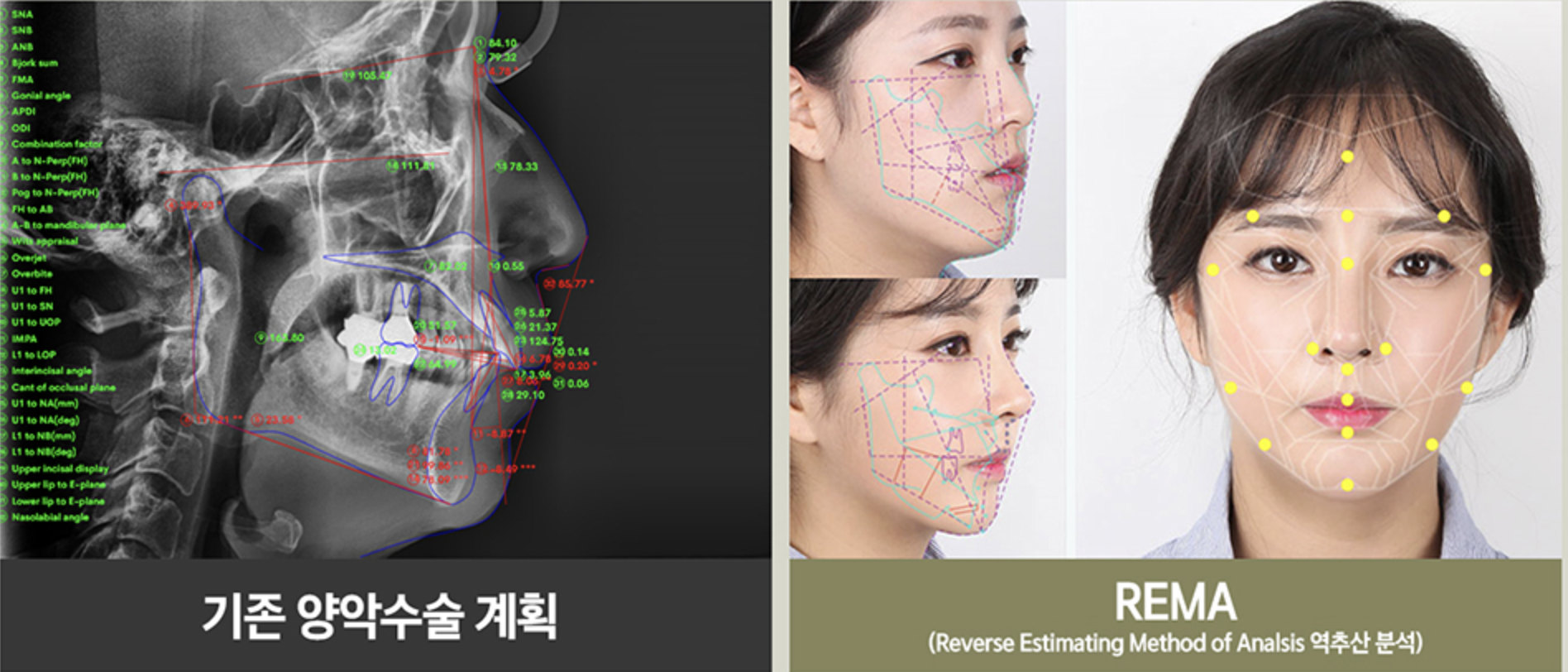
4. Diagnosis and Evaluation Process
Precise diagnosis is the key to successful treatment. Pre-operative evaluation for protruding mouth surgery in Korea is systematic and comprehensive:
Imaging examinations:
• Lateral cephalometric X-ray: Evaluates the anteroposterior relationship of upper and lower jaws and tooth inclination angles
• 3D CT scan: Three-dimensional assessment of bone structure and nerve pathways
• Panoramic dental X-ray: Evaluates tooth and root conditions
Facial analysis:
• E-line analysis: Measures the distance between lips and the E-line
• Nasolabial angle measurement: Normal range approximately 90-110 degrees
• Facial thirds proportion assessment
• Soft tissue thickness evaluation
Bite evaluation:
• Dental occlusion analysis
• Temporomandibular joint function examination
• Orthodontic feasibility assessment
5. Surgical Process and Recovery
Pre-operative preparation:
• If tooth extraction is needed, it is usually done 2-4 weeks in advance
• Complete oral cleaning before surgery
• Discontinue anticoagulant medications and supplements
• Fast for at least 8 hours before surgery
ASO surgical procedure (approximately 2-3 hours):
• General anesthesia
• Intraoral incision
• Precise osteotomy and removal of predetermined bone volume
• Retraction of the anterior dental bone segment to the planned position
• Fixation with titanium plates
• Occlusion adjustment and confirmation
Post-operative recovery timeline:
• Days 1-3: Facial swelling, tightness around the mouth
• Week 1: Swelling gradually subsides
• Week 2: Most swelling resolves, initial results visible
• Month 1: Facial contour essentially takes shape
• Month 3: Bone basically healed, results stabilized
• Month 6: Fully finalized
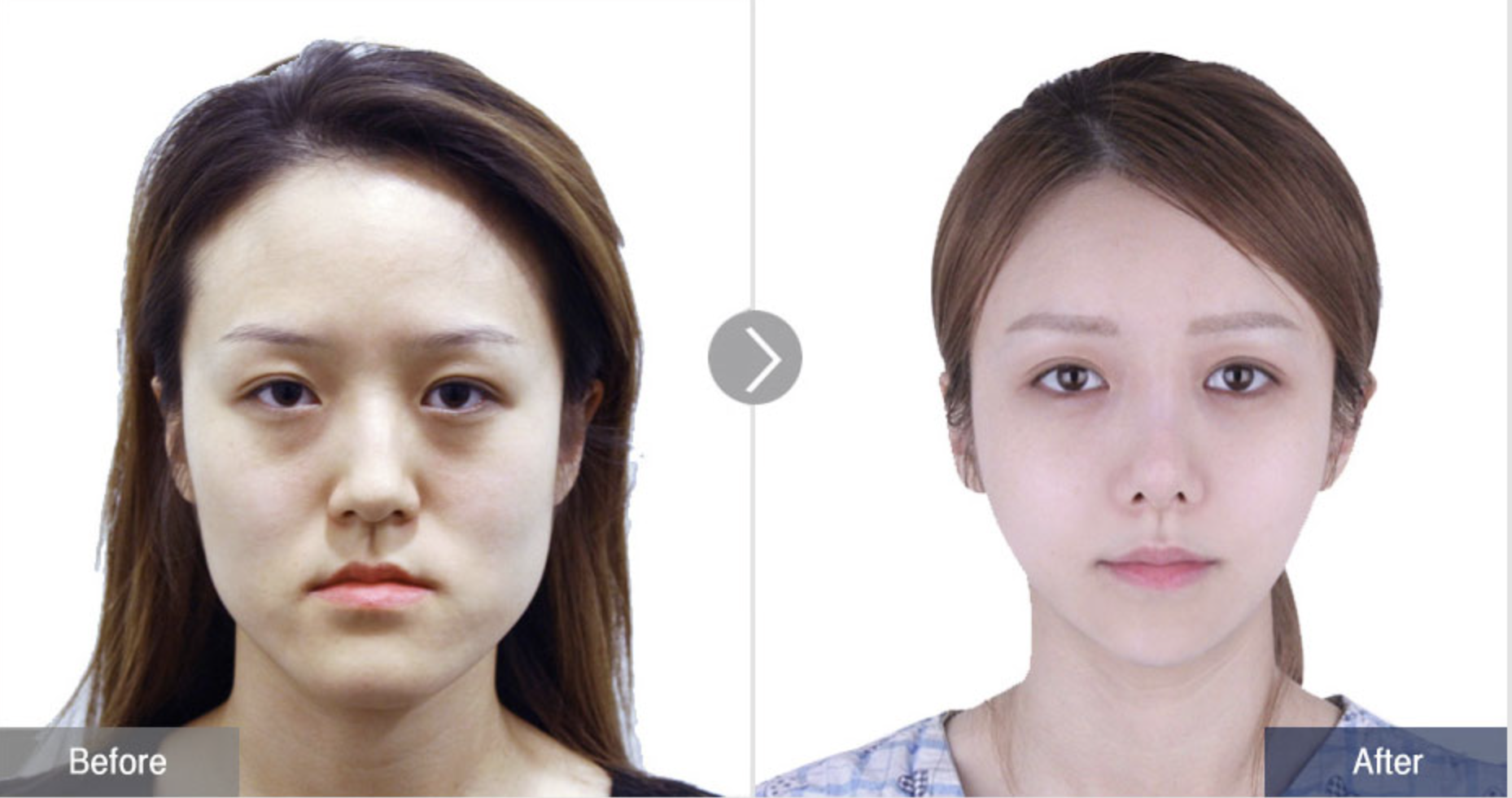
6. Results and Changes from Protruding Mouth Correction
Protruding mouth surgery brings multi-dimensional changes:
Side profile: The most visible change — mouth retraction creates a smooth and harmonious profile with restored E-line relationship.
Frontal appearance: Lips relax naturally, no longer tense and flared, with softer and more natural facial expressions.
Nasal visual enhancement: With the mouth retracted, the nose appears more prominent visually, the nasolabial angle increases, and overall facial dimensionality is enhanced.
Chin proportion improvement: After protruding mouth correction, the chin no longer appears recessed, and the lower third of the face becomes more harmonious.
7. Frequently Asked Questions (FAQ)
Q1: Does protruding mouth surgery always require tooth extraction?
A: Not necessarily. ASO surgery typically requires extraction of 4 premolars to create retraction space. However, if double jaw surgery is chosen, tooth extraction may not be needed. The specific plan depends on the degree of protrusion and individual dental conditions.
Q2: Will the lips become thinner after protruding mouth surgery?
A: After the bone and teeth are pushed back, lip support decreases, so the lips may appear slightly thinner visually. However, in most cases the change is minimal, and the lips become more natural and soft rather than tense and flared, resulting in an overall aesthetic improvement.
Q3: What’s the difference between protruding mouth correction and orthodontics? How to choose?
A: Orthodontics improves the condition by moving teeth and is suitable for dental protrusion and mild skeletal protrusion. Surgery corrects by moving bones and is suitable for moderate to severe skeletal protrusion. A professional evaluation is recommended to determine the main cause before choosing the treatment method.
Q4: Does protruding mouth surgery in Korea require hospitalization?
A: ASO surgery typically requires 1-2 days of hospitalization for observation. Double jaw surgery for protruding mouth requires 2-3 days of hospitalization. A total stay of 2-3 weeks in Korea is recommended.
Q5: Are the results of protruding mouth surgery permanent?
A: The results after bone adjustment are permanent — the bones will not return to their original position. However, bad habits (such as mouth breathing, thumb sucking, etc.) may affect long-term stability, so these habits should be corrected after surgery.
Q6: How long until the final results are visible after protruding mouth surgery?
A: Noticeable improvement can be seen 2-3 weeks after surgery, but since swelling takes time to subside, the final results are fully apparent at 3-6 months post-surgery. Profile improvements are usually the first to become visible.
If you are troubled by a protruding mouth, please contact our professional consultation team. An initial assessment can be made through side-profile photos, and we will recommend the most suitable treatment plan for you.
Consult Now for a Free Facial Assessment
Contact our professional consultants for a personalized surgical plan and cost estimate

WeChat Consultation

LINE Consultation

Mini Program Consultation