
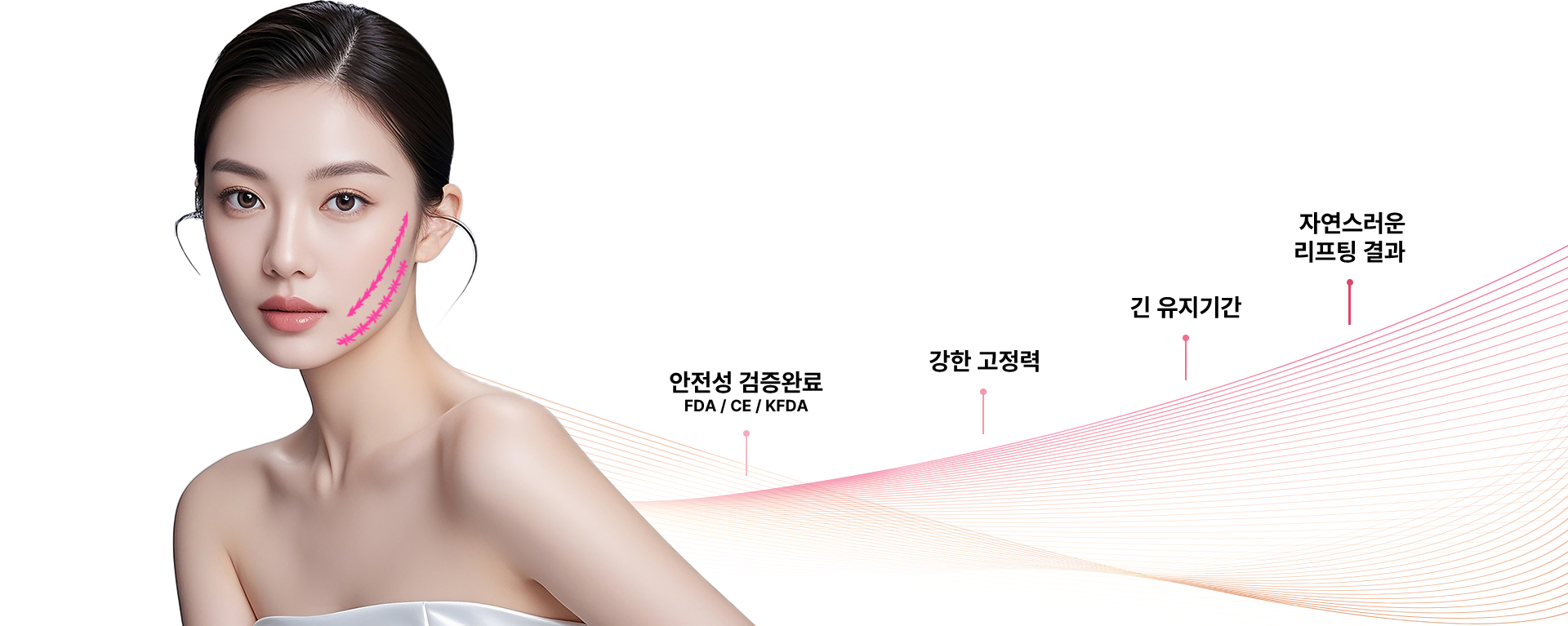
As we age, collagen loss and skin sagging become major concerns for many people. Compared to traditional surgical facelifts, thread lifting in Korea (also known as thread embedding) has become one of the most popular anti-aging treatments in recent years, thanks to its minimal invasiveness, quick recovery, and natural-looking results. As a world leader in thread lifting technology, Korea is at the forefront of thread material development, surgical techniques, and clinical experience. This article provides a comprehensive analysis of the various thread materials, suitable candidates, procedures, and results of Korean thread lifting to help you make an informed decision.
1. What Is Thread Lifting? Why Is Korean Thread Lifting So Popular?
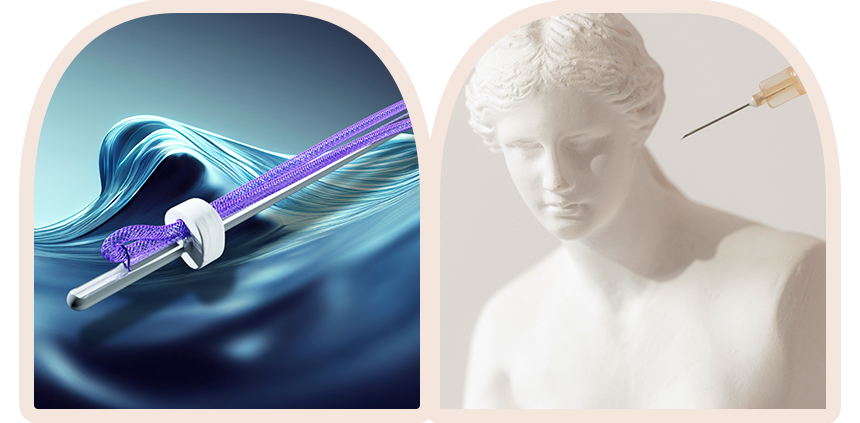
Thread lifting, medically known as thread embedding surgery, involves inserting special medical-grade threads into the subcutaneous tissue. The barbs, cogs, or spiral structures on the threads physically lift sagging soft tissue. Additionally, as the threads dissolve in the body, they stimulate collagen regeneration, achieving a dual effect of tightening, lifting, and improving skin quality.
Core Principles of Thread Lifting
- Immediate Physical Lifting: The barb or cog structures on the threads hook into the subcutaneous tissue, achieving an instant lift by adjusting the thread direction.
- Collagen Regeneration: After the threads are inserted, the body treats them as “foreign objects,” triggering a self-repair mechanism that generates new collagen fiber networks around the threads, strengthening the skin’s support structure.
- Tissue Remodeling: Over time, the threads are gradually absorbed and dissolved by the body, but the newly formed collagen scaffolding continues to provide support.
Korea’s Leading Advantages in Thread Lifting
Korea’s leading position in thread lifting is no accident—it is the result of multiple factors:
- Innovation Hub: Korea is a major global center for thread lifting R&D and production. The latest iterations of PDO, PLLA, PCL, and other thread materials are developed by Korean research teams.
- Extensive Clinical Experience: Korean doctors perform among the highest number of thread lifting procedures globally each year. This wealth of case experience gives them extremely precise judgment in thread selection, insertion depth, and lifting direction.
- Highly Specialized: Korea has segmented thread lifting into multiple specialties—full-face lifting, mid-face lifting, jawline contouring, neck wrinkle removal, apple cheek volumization, and more. Each sub-field has dedicated specialists and proven protocols.
- Continuous Innovation: The intensely competitive Korean aesthetics industry pushes practitioners to constantly update their techniques and protocols, directly benefiting patients.
2. In-Depth Comparison of Three Major Thread Materials: PDO vs PLLA vs PCL
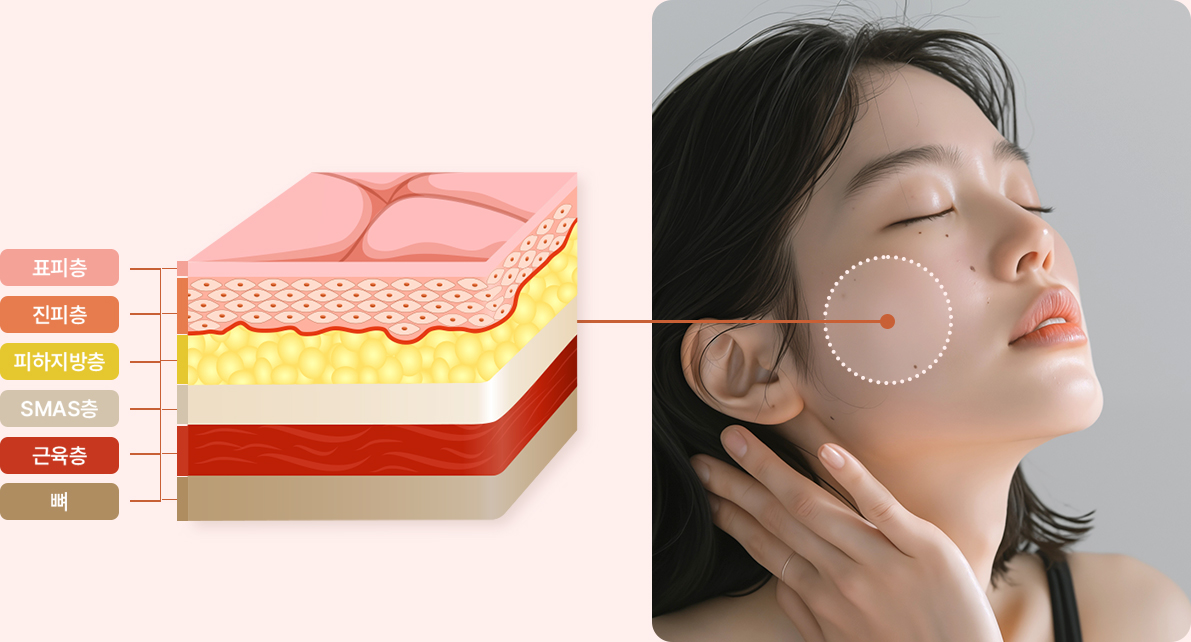
Thread selection is key to achieving optimal results. The three mainstream thread materials currently available in Korea each have distinct characteristics suited to different needs and budgets.
PDO Threads (Polydioxanone)
PDO is currently the most widely used thread lifting material, with decades of use in surgical suturing. Its safety profile is thoroughly proven.
- Origin: Originally used for cardiac surgery sutures
- Duration: Approximately 6–8 months (full thread absorption), effects last approximately 12–18 months
- Collagen stimulation: Moderate; stimulates Type I and Type III collagen production during degradation
- Safety: Extremely high; allergic reactions are very rare
- Flexibility: Good; minimal foreign body sensation after insertion
- Price range: Most economical; approximately ¥5,000–15,000 RMB in Korea
Ideal candidates: First-time thread lifting patients; those aged 25–35 with mild sagging seeking early anti-aging maintenance; those with limited budgets who want to improve facial sagging.
PLLA Threads (Poly-L-Lactic Acid)
PLLA’s core advantage lies in its outstanding collagen stimulation ability—several times greater than PDO. PLLA is best known for its use in Sculptra, and PLLA threads extend the benefits of this material to the thread lifting field.
- Origin: Same source material as Sculptra
- Duration: Approximately 12–18 months (thread absorption), effects last approximately 2–3 years
- Collagen stimulation: Strong; continuously stimulates significant collagen regeneration
- Safety: High; however, nodule reactions may occur in rare cases
- Flexibility: Slightly firmer than PDO; mild foreign body sensation possible in the initial postoperative period
- Price range: Mid-to-high; approximately ¥10,000–30,000 RMB in Korea
Ideal candidates: Those aged 30–50 with moderate facial sagging; those seeking longer-lasting results; those with significant collagen loss and poor skin quality.
PCL Threads (Polycaprolactone)
PCL currently offers the longest-lasting results among thread lifting materials, often regarded as the gold standard in thread lifting.
- Origin: Commonly used in drug delivery systems and tissue engineering
- Duration: Approximately 24–36 months (thread absorption), effects last approximately 3–5 years
- Collagen stimulation: Strongest and most sustained; continuously stimulates collagen regeneration over 2–3 years of degradation
- Safety: High; however, choosing an experienced doctor is particularly important due to the longer degradation period
- Flexibility: Most elastic; excellent biocompatibility with human tissue
- Price range: Premium; approximately ¥20,000–50,000 RMB in Korea
Ideal candidates: Those aged 35–55 with moderate to severe facial sagging; those seeking long-lasting results; those with sufficient budget seeking optimal outcomes.
Thread Material Comparison Summary Table
| Comparison | PDO | PLLA | PCL |
|---|---|---|---|
| Thread duration | 6–8 months | 12–18 months | 24–36 months |
| Effect duration | 12–18 months | 2–3 years | 3–5 years |
| Collagen stimulation | ★★★ | ★★★★ | ★★★★★ |
| Post-op naturalness | ★★★★★ | ★★★★ | ★★★★ |
| Safety rating | ★★★★★ | ★★★★ | ★★★★ |
| Price (Korea) | ¥5K–15K | ¥10K–30K | ¥20K–50K |
| Recommended age | 25–40 | 30–50 | 35–55 |
3. Thread Types and Techniques Explained
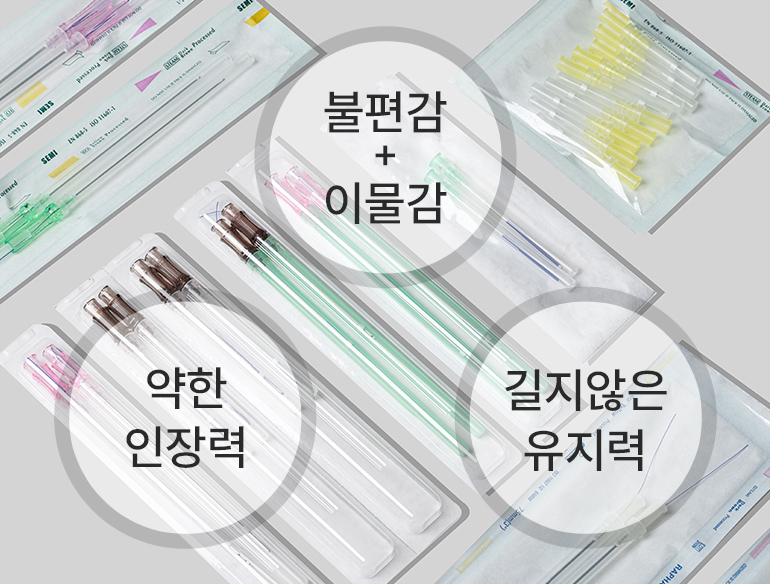
Beyond thread material differences, thread shape and surgical technique also significantly affect the final results.
Classification by Thread Shape
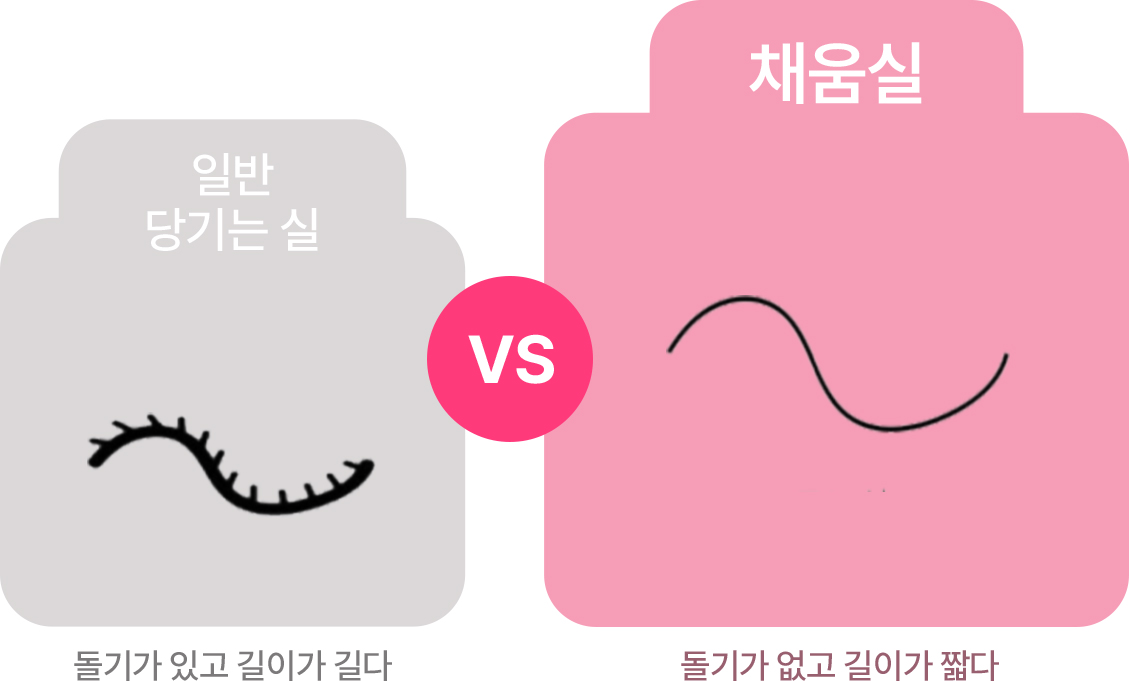
1. Mono Threads (Smooth Threads): Smooth surface without barbs or cogs. Primarily improve skin quality and firmness by stimulating collagen production. Lifting power is relatively weak, suitable for mild sagging or maintenance. Commonly used for neck lines, crow’s feet, and other fine areas.
2. Screw Threads: Threads wound in a spiral spring shape, providing some lifting and volumizing effects. Commonly used for apple cheeks, temples, and other areas needing added fullness.
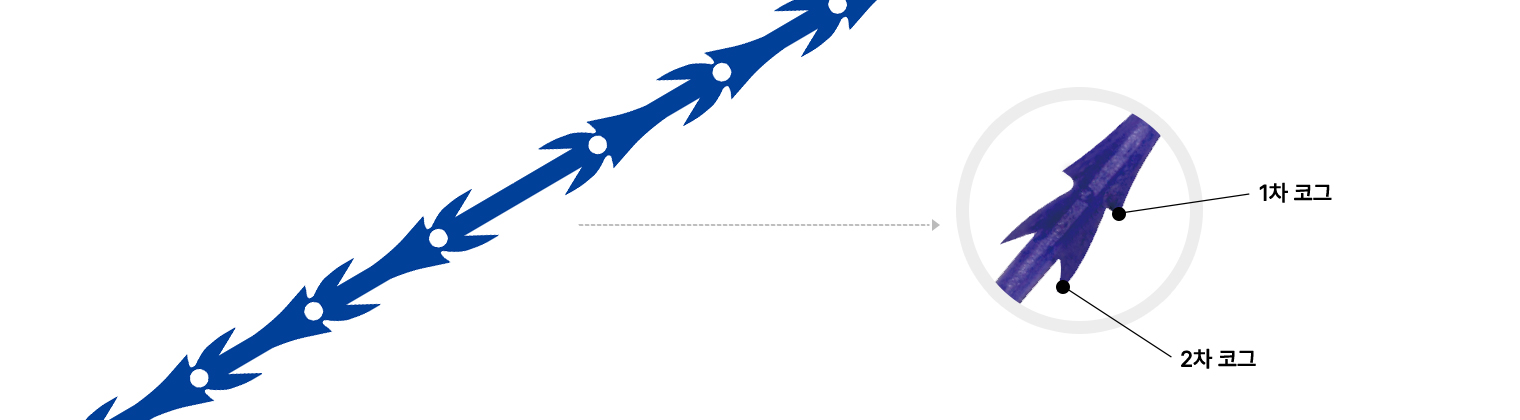
3. Cog Threads (Barbed Threads): Threads with cog or barb structures on the surface. They provide the strongest lifting power and are the core thread type for thread lifting. Suitable for moderate to severe facial sagging and significant drooping.
Classification by Technique
Korea has developed multiple mature techniques for thread lifting:
- V-Lift Technique: Uses a V-shaped insertion path, entering from the temple area toward the jawline. Particularly effective for overall mid-face and lower-face lifting.
- MINT Technique: A signature Korean thread lifting technique featuring a patented multi-directional barb design for strong lifting power and long-lasting results.
- Mesh Embedding: Multiple smooth or screw threads inserted in a grid pattern to form a collagen support network.
- Laser + Thread Combined Technique: Laser handles superficial skin tightening while threads handle deep tissue lifting. The combined effect is superior to either treatment alone.
Common Thread Lifting Products in Korea
- Lifting Threads: Main lifting threads with barbs or cogs. Representative products: Miracle Thread, Mint Lift, N-Cog, V-Loc, etc.
- Collagen Stimulation Threads: Primarily designed to stimulate collagen regeneration; PLLA threads are the representative in this category.
- Smooth Threads / Skin Rejuvenation Threads: Fine threads without barbs, used to improve skin quality, fine lines, and enlarged pores.
- Screw Threads / Volume Threads: Spiral spring-shaped threads that combine mild lifting with volumizing effects.
- Nose-Specific Threads: Specialized threads designed for nasal anatomy.
- Composite Threads: New-generation threads combining multiple functions, such as cog + screw composite threads and drug-coated threads.
4. Treatment Areas: Comprehensive Applications from Face to Body
The application range of thread lifting has expanded far beyond traditional expectations, covering every facial area and, in recent years, extending to body areas as well.
Apple Cheeks / Nasolabial Fold Area
Targets sagging and deflated apple cheeks and deepened nasolabial folds. Effect: Restores apple cheek fullness and reduces nasolabial folds. Commonly uses PLLA or PCL cog threads, typically 4–8 per side.
Lower Face and Jawline
Targets drooping mouth corners, marionette lines, and undefined jawline. Effect: Lifts mouth corners and reshapes a defined jawline. PCL or PLLA materials recommended, typically 3–6 per side.
Forehead and Brow Area
Targets brow drooping, upper eyelid sagging, and forehead lines. Effect: Lifts brow position, indirectly improves upper eyelid sagging, and brightens the eyes. Typically 2–4 cog threads per side.
Deep Buccal Fat Pad Lifting
Targets jowling and flesh accumulation around the mouth caused by deep buccal fat pad descent. This is an advanced thread lifting technique—selecting an experienced doctor is highly recommended.
Double Chin Improvement
Targets double chin, blurred jawline, and submental fat. Often combined with jawline thread lifting for more comprehensive results.
Nose Thread Lifting
Targets wide nasal tip, drooping nose tip, and flat nasal bridge. Commonly uses PDO or PCL nose-specific threads. Note: Severe nasal shape issues are still best addressed surgically.
Apple Zone Thread Lifting
Targets deflated apple cheeks, extended tear troughs, and mid-face aging. Precisely lifts the apple zone to restore a sweet smile contour.
Neck
Targets neck wrinkles and skin laxity. Commonly uses smooth threads in a grid pattern combined with a few cog threads: 20–40 smooth threads and 4–8 cog threads.
Breast Thread Lifting — Emerging Treatment in 2026
The latest innovative thread lifting application in Korea targets mild breast sagging and skin laxity. A non-surgical approach to breast lifting and tightening.
Advanced Revision Center Concept
Korea’s thread lifting field has developed a specialized sub-field for revision procedures—targeting patients who had unsatisfactory results from thread lifting at other clinics, offering professional secondary revision services. If you have had an unsuccessful thread lifting experience before, don’t lose hope. Korean specialists in this field can help improve your results.
5. Who Is Suitable for Thread Lifting? Who Should Be Cautious?
Ideal Candidates
- Aged 25–55 with mild to moderate facial sagging
- Skin still has reasonable elasticity, not yet requiring a surgical facelift
- Those who want to improve facial contours without surgery
- Young people seeking routine anti-aging maintenance
- As a maintenance supplement after facial surgery
- Those open to minimally invasive cosmetic treatments and willing to maintain results regularly
Not Suitable / Should Proceed with Caution
- Severe facial sagging (surgical facelift recommended for severe cases)
- Excessive or insufficient facial fat
- Pregnant or breastfeeding women
- Active facial skin infections or inflammation
- Autoimmune diseases
- Hypertrophic scarring tendency
- Currently taking anticoagulant medications
- Allergy to thread material components
Age and Thread Lifting Plan Recommendations
- Ages 25–30: Focus on prevention; smooth threads or a small number of cog threads (PDO material) recommended
- Ages 30–40: Balance lifting and anti-aging; PLLA cog threads as the primary choice, supplemented with smooth threads for skin quality improvement
- Ages 40–50: Focus on lifting; PCL or PLLA cog threads recommended, can be combined with hyaluronic acid or fat grafting
- Ages 50+: Comprehensive assessment needed; may require a combined thread lifting + surgical approach
6. Thread Lifting vs HIFU vs Thermage: How to Choose?
These three are all popular non-surgical anti-aging treatments. Their mechanisms and suitable scenarios differ significantly.
Thread Lifting
Mechanism: Physical lifting + collagen stimulation. Core advantage: Immediate visible lifting effect; can reshape facial contours. Duration: 1–5 years. Recovery: 3–7 days.
HIFU (Ultherapy / Ultraformer)
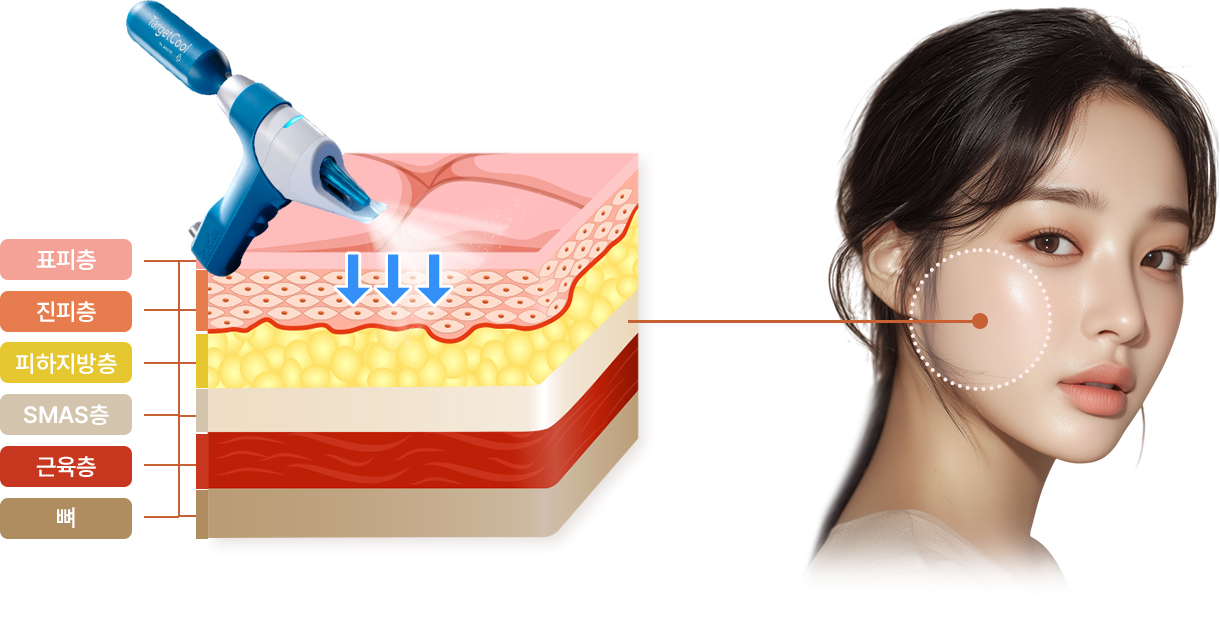
Mechanism: Focused ultrasound heats the SMAS fascia layer. Core advantage: Non-invasive and scarless. Duration: Approximately 1–1.5 years. Virtually no recovery time.
Thermage FLX
Mechanism: Radiofrequency energy heats the dermis and subcutaneous tissue. Core advantage: Outstanding skin quality improvement and pore tightening. Duration: Approximately 1–2 years. Virtually no recovery time.
Combined Treatment Recommendations
- Thread Lifting + HIFU: Threads handle physical lifting while HIFU consolidates deep tightening effects
- Thread Lifting + Thermage: Threads improve contours while Thermage improves overall skin quality
- Recommended interval: 2–4 weeks between different treatments
7. Thread Lifting Procedure and Recovery Timeline
Understanding the complete procedure helps alleviate anxiety about the unknown.
Pre-Procedure Preparation
- Consultation: The doctor assesses the degree of facial sagging, skin condition, and bone structure
- Treatment plan design: Determine the thread type, number, insertion positions, and directions
- Pre-procedure marking: Draw insertion paths and lifting direction markers on the face
- Local anesthesia: Inject local anesthetic at the entry points and along the thread paths
Procedure (Approximately 60–90 Minutes)
- Sterilization and draping
- Insert the guide needle through a tiny puncture (approximately 1–2mm) to the predetermined layer
- Insert the thread along the designed path into the subcutaneous tissue
- Adjust thread tension and direction for optimal lifting effect
- Cut excess thread ends and confirm bilateral symmetry
- Clean and apply minimally invasive dressings
Post-Procedure Recovery Timeline
Days 1–3 (Acute Recovery Phase): Noticeable facial swelling and mild pain, possible bruising. Opening the mouth and chewing may cause a pulling sensation. A liquid diet is recommended.
Days 4–7 (Swelling Reduction Phase): Swelling subsides significantly, bruising gradually fades. Most people can resume daily activities and work at this point.
Weeks 2–4 (Stabilization Phase): Swelling and bruising essentially resolved. Threads integrate with tissue, and the lifting effect gradually stabilizes and becomes more natural.
Months 1–3 (Results Emergence Phase): Significant new collagen production begins, skin quality gradually improves, and the face becomes firmer and more voluminous.
Months 3–6 (Peak Results Phase): The collagen network around the threads is fully formed, reaching the optimal result.
8. Results and Duration: Setting Realistic Expectations
Expected Results
- Facial contour lifting: More defined jawline and a more V-shaped face
- Nasolabial fold and marionette line improvement: Reduced wrinkle depth
- Apple cheek fullness: Restored youthful facial curves
- Skin quality improvement: Firmer, more elastic skin with refined pores
- Overall youthful appearance: Most patients report looking 3–8 years younger
Duration of Results
- PDO Thread Lifting: Peak effect lasts approximately 8–12 months; total effective period approximately 12–18 months
- PLLA Thread Lifting: Peak effect lasts approximately 12–18 months; total effective period approximately 2–3 years
- PCL Thread Lifting: Peak effect lasts approximately 18–24 months; total effective period approximately 3–5 years
Maintenance Recommendations
- Touch-up maintenance every 1–2 years is recommended
- Combine with energy-based treatments (such as HIFU, Thermage) to extend results
- Maintain a good daily sunscreen and antioxidant skincare routine
- Avoid excessive facial massage and high-temperature environments (within 3 months post-procedure)
9. Risks and Side Effects: Full Awareness for Peace of Mind
Common Normal Reactions
- Swelling: Days 1–7 post-procedure
- Bruising: Gradually fades over 3–14 days post-procedure
- Pain and pulling sensation: Gradually subsides within 1–2 weeks post-procedure
- Small puncture marks at entry points: Typically fade within 3–5 days
- Slightly unnatural facial expressions: Resolve within 1–2 weeks post-procedure
Risks to Be Aware Of
- Infection: Incidence rate below 1%; seek medical attention promptly
- Thread exposure: Extremely rare; usually related to improper insertion depth
- Facial dimpling or unevenness: Often resolves with adjustment or natural recovery
- Persistent foreign body sensation: Usually diminishes gradually
- Facial asymmetry: Mild asymmetry typically improves after swelling resolves
- Nodule formation: Small probability with PLLA threads
- Nerve damage: Extremely rare; usually temporary
Key Steps to Minimize Risk
- Choose an experienced doctor—this is the most important safety measure
- Choose reputable thread brands—avoid low-cost threads of unknown origin
- Honestly disclose your health conditions and allergy history to the doctor
- Strictly follow post-procedure care instructions
- Contact your doctor promptly if any abnormalities occur
10. Frequently Asked Questions (FAQ)
Q1: Is thread lifting painful? Does it require general anesthesia?
Thread lifting is usually performed under local anesthesia and does not require general anesthesia. There is a brief stinging sensation during the anesthetic injection, but afterward there is essentially no significant pain. Over-the-counter pain medication on the day of the procedure is sufficient for relief.
Q2: Will my face look stiff or unnatural after thread lifting?
In the initial post-operative period (1–2 weeks), facial expressions may feel slightly stiff. As swelling subsides and tissues integrate, natural expression typically returns within about one month.
Q3: Can I get other aesthetic treatments after thread lifting?
Yes, but timing matters. Avoid any facial aesthetic procedures within 1 month after thread lifting; injectable treatments can be done after 1–3 months; energy-based treatments can be done after 3 months or more.
Q4: What is the difference between getting thread lifting in Korea versus domestically?
The main differences are: a wider range of thread options, more experienced doctors, faster adoption of new techniques, and potentially better value for comparable quality.
Q5: Are the results of thread lifting permanent?
Thread lifting results are not permanent. PDO lasts approximately 1–1.5 years, PLLA approximately 2–3 years, and PCL approximately 3–5 years. Regular maintenance is recommended, and cumulative effects improve over time.
Q6: What precautions should I take after thread lifting?
For the first two weeks after the procedure, avoid: vigorous facial rubbing, exaggerated expressions, sleeping face-down or on your side, high-temperature environments, intense exercise, alcohol and smoking, and irritating skincare products. Focus on gentle moisturizing and strict sun protection.
11. Conclusion
Korean thread lifting, with its rich selection of thread materials, mature techniques, and extensive clinical experience, offers an ideal anti-aging solution that sits between daily skincare and surgical facelifts for beauty seekers worldwide. Whether you are a young person just beginning to notice facial sagging or a mature woman looking for effective anti-aging solutions, thread lifting could become a powerful ally on your beauty journey.
The key is to: choose the right thread material and plan based on your age, degree of sagging, and budget; find an experienced doctor with excellent aesthetic sense; and maintain realistic expectations. We hope this comprehensive guide to Korean thread lifting helps you make a wise decision on your thread lifting journey.
Consult Now for a Free Assessment
Contact our professional consultants for personalized plans and cost estimates


LINE

Mini Program
Disclaimer: The information in this article is for reference and educational purposes only and does not constitute medical advice. Thread lifting is a medical aesthetic procedure that carries certain risks. Please make your decision after fully understanding the procedure details under the guidance of a qualified medical professional. Prices mentioned are market reference ranges; actual costs are subject to the quotation from the medical institution.