 BeautsGo
A protruding mouth does not automatically require two-jaw surgery, and braces do not solve every cause. The decision depends on whether the main issue lies in the teeth, the alveolar bone supporting them, or the relationship between the upper and lower jaws. ASO and two-jaw surgery move different skeletal segments. Identify the cause before comparing outcomes, recovery and costs.
1. Are the teeth tilted forwards, or do the jaws need repositioning?
“Protruding mouth” describes an appearance, not a complete diagnosis. Difficulty closing the lips can reflect forward-tilted incisors, protrusion of the teeth and their supporting bone, or a combination involving a retruded lower jaw, a long face or malocclusion. Lip thickness and the positions of the nose tip and chin also affect the profile.
| Main concern | Key assessment | Options to discuss |
|---|---|---|
| Forward-tilted teeth with a relatively balanced jaw relationship | Incisor inclination, crowding, root positions and alveolar bone limits, and available space | Orthodontics; extractions and temporary anchorage devices depend on periodontal health and movement goals |
| Protrusion of the anterior teeth together with the supporting alveolar bone | Space for segment retraction, distances between roots, periodontal health, blood supply to the segment and the posterior bite | ASO: anterior segmental osteotomy, usually with an assessment of orthodontic needs |
| Protrusion accompanied by substantial jaw discrepancy, vertical imbalance or asymmetry | Upper and lower jaw positions, occlusal plane, facial height, jaw joints and airway | Orthognathic surgery: single-jaw, two-jaw or combined segmental treatment; appearance alone cannot determine the choice |
These patterns can overlap. Lateral cephalometric analysis, dental and bite examination, and three-dimensional imaging when indicated must be assessed together. A CT scan alone, or a line drawn between the nose tip and chin, cannot establish the diagnosis.
Korean orthodontic research compares soft-tissue changes after ASO and nonsurgical orthodontics. Advances in anchorage provide more nonsurgical options for some patients, but study measurements of lip movement are not personal thresholds for surgery. Protrusion beyond a particular number of millimetres does not automatically mean bone surgery is necessary.
2. What does ASO move?
ASO stands for anterior segmental osteotomy. A tooth-bearing segment containing the front teeth is cut, repositioned and fixed, moving the teeth and their supporting bone together. It does not necessarily move the entire chin backwards.
Common plans use space created by premolar extractions, but which teeth to remove, whether the upper or lower arch requires surgery, and how far to move each segment are individual decisions. Bring previous imaging and orthodontic records if you have already had extractions. Do not arrange further extractions before a treatment plan is agreed.
What ASO can address
In suitable patients, protrusion of the front teeth and alveolar bone. Planning must balance incisor inclination, lip support and the final bite, rather than aiming for the greatest possible lip retraction.
What ASO does not automatically address
Overall facial height, marked asymmetry, a retruded lower jaw or joint problems. When a larger part of a jaw needs repositioning, a separate orthognathic assessment is required.
ASO is bone surgery, not a fast version of braces. In addition to bleeding, infection and anaesthetic risks, discuss root or pulp injury, periodontal damage, segment blood supply and healing, bite changes, and undercorrection or overcorrection. Poor periodontal health is a reason for dental assessment, not a reason to bypass it.
3. Translate treatment names into the actual surgical plan
Two-jaw surgery generally involves cutting and repositioning both the maxilla and mandible. The upper jaw commonly requires a Le Fort I osteotomy; the lower jaw may involve a bilateral sagittal split osteotomy or another technique selected for the anatomy and intended movement. This changes the relationship between the jaws, not only the front tooth-bearing segment.
When protrusion accompanies a long face, a major bite problem or mandibular retrusion, planning may involve upper-jaw height, rotation and coordinated lower-jaw movement. It is not simply a matter of pushing both jaws backwards. Facial proportions, airway and bite must guide the direction of movement; more retraction is not inherently better.
ID’s Chinese website uses a “three-jaw” treatment name for a combination of two-jaw and protrusion surgery. It does not imply a third anatomical jaw, nor does it invariably mean two-jaw surgery plus genioplasty. Ask for the upper jaw, lower jaw and anterior segments to be specified separately, with any additional chin, cheekbone or jaw-angle procedures listed individually.
4. Four hospitals: use cases to understand the scope of treatment
The following 13 hospital before-and-after cases illustrate protrusion correction, two-jaw surgery and combined contouring. They are neither an outcome ranking for one procedure nor 13 ASO-only cases. Combined procedures, camera angles, make-up and recovery intervals affect appearance. Photographs cannot replace a personal bite assessment.
Faceline Plastic Surgery: plan anterior segments and whole-jaw movements separately
Faceline provides both protrusion correction and two-jaw surgery. Its description of the ANY approach emphasises individual extraction sites, segment retraction and angles. The useful questions concern preservation of the posterior bite, how the anterior segment will change, and whether the lips will retain appropriate support after retraction.
If you also perceive a long face or a retruded chin, broaden the discussion from the amount of mouth retraction to the relationship between the jaws. Ask why ASO or two-jaw surgery is recommended, and which goals remain achievable without additional cheekbone, jaw-angle or chin surgery. This separates functional needs from optional contour changes.
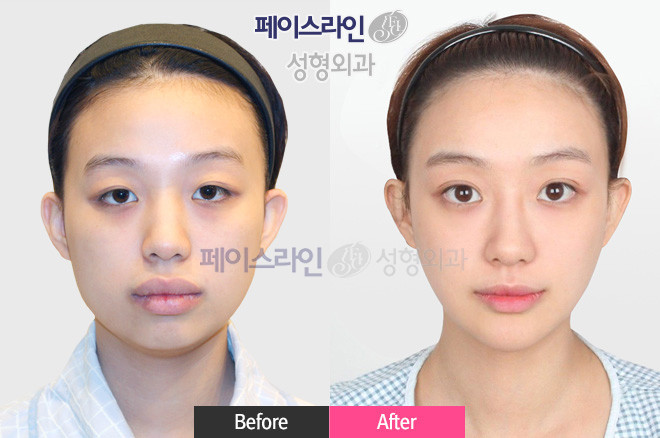
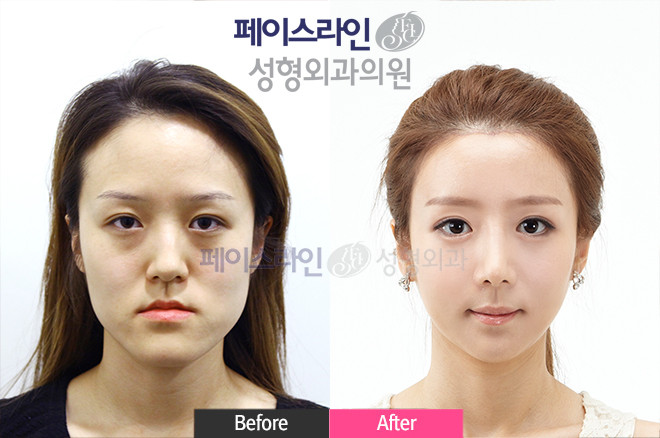
Front view: left before, right after surgery.
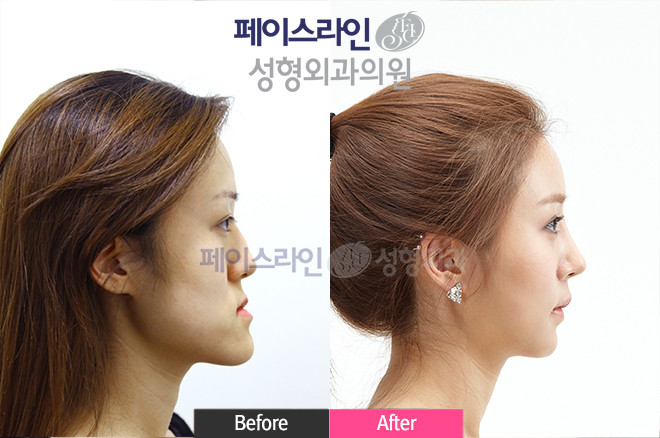
Side view: left before, right after surgery.
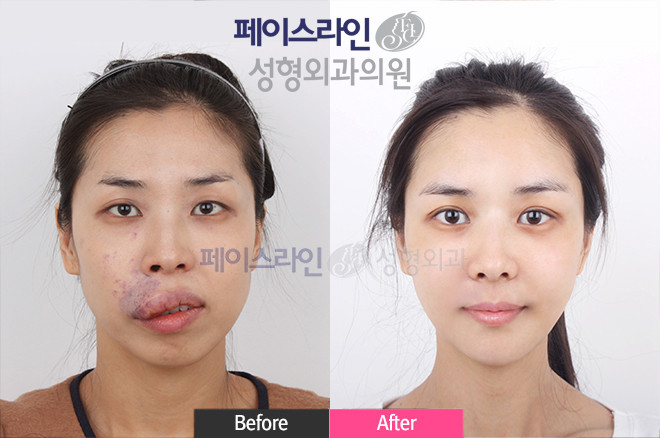
Front view: left before, right after surgery.

Side view: left before, right after surgery.
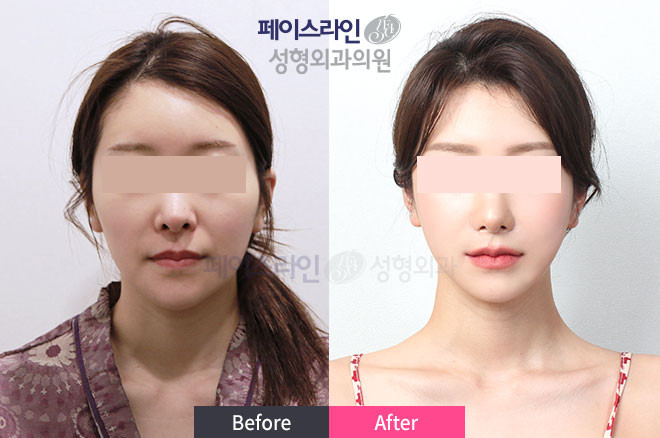
Front view: left before, right after surgery.
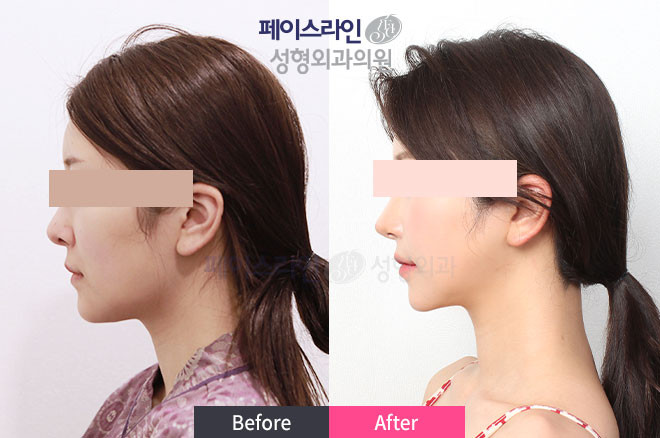
Side view: left before, right after surgery.
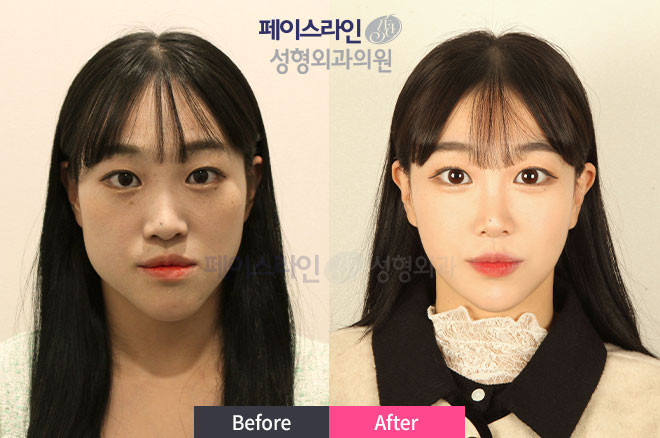
Front view: left before, right after surgery.
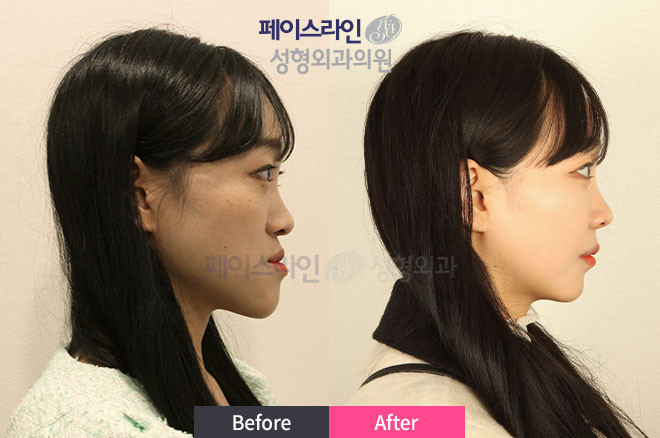
Side view: left before, right after surgery.
ID Hospital: assess orthodontic, protrusion and two-jaw options together
ID’s protrusion-centre information describes collaboration between orthodontics, prosthodontics, oral and maxillofacial surgery, and plastic surgery, with separate explanations for protrusion surgery, two-jaw treatment and combined plans. This helps patients with previous braces or extractions, or protrusion with mandibular retrusion, compare dental movement with skeletal movement.
Identify the clinicians responsible: who assesses the roots and bite, who plans the osteotomies, and who provides postoperative orthodontics? If surgery-first or No-Tie treatment is suggested, clarify when orthodontics starts, how the bone segments are fixed and how bite problems will be managed. These terms describe different aspects of treatment.
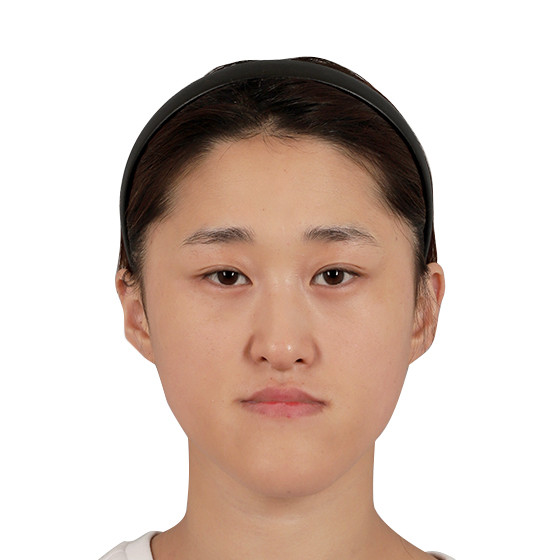 Before surgery
 3 months after surgery
Wonjin Plastic Surgery: check the bite and skeletal positions in three-dimensional planning
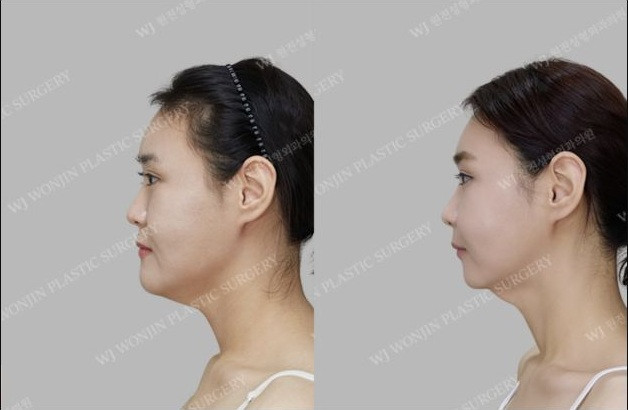
Wonjin’s two-jaw and equipment information describes assessment of three-dimensional skeletal anatomy, dental occlusion and joint relationships. Its oral and maxillofacial team also lists orthognathic and contouring work. For protrusion with jaw-position problems, ask how the intended bite is translated into a specific upper- and lower-jaw movement plan.
Three-dimensional simulation can support discussion, but it cannot guarantee the exact appearance of the nasal alae, lips or skin. Discuss both the intended final bite and the desired profile. Any trade-off should be explained before surgery, rather than judging only whether the simulated image looks attractive.
1% Plastic Surgery: distinguish ASO from two-jaw surgery before adding V-line procedures
The 1% protrusion page describes ASO as extraction of the relevant teeth, alveolar osteotomy, and repositioning and fixation of the anterior segment. It distinguishes this from two-jaw surgery moving the upper and lower jaws. Its orthognathic and bespoke V-line services should be discussed as separate goals: mouth protrusion and chin shape.
Treatment without orthodontics is appropriate only for selected patients after bite assessment; it is not a universal promise. If a combined mini V-line procedure is proposed, ask whether it changes chin width, length or another feature. Two procedures appearing in the same plan does not mean both treat protrusion.
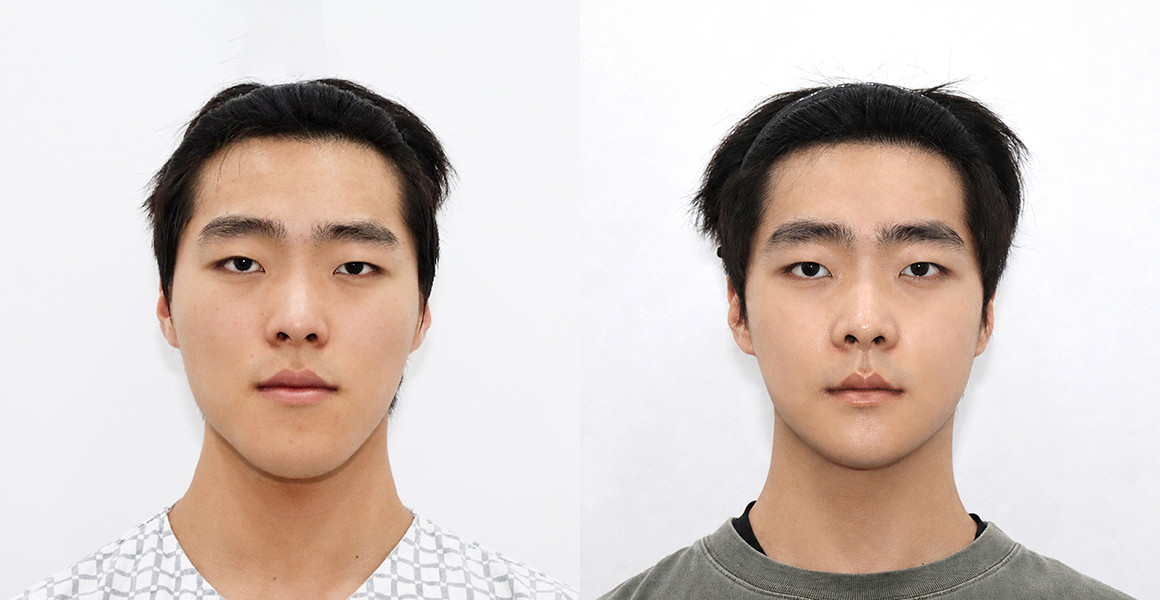
More combined two-jaw cases: compare oblique and side views
The following five patients each have complete before-and-after comparisons at 45 degrees and in profile. Side views help illustrate the lip–chin relationship, but cannot distinguish dental from skeletal protrusion on their own or replace a bite examination. All five had combined procedures; they do not establish the effects of ASO alone.
1% | Two-jaw surgery and bespoke mini V-line, 10 months after surgery

45-degree view: left before, right 10 months after surgery.
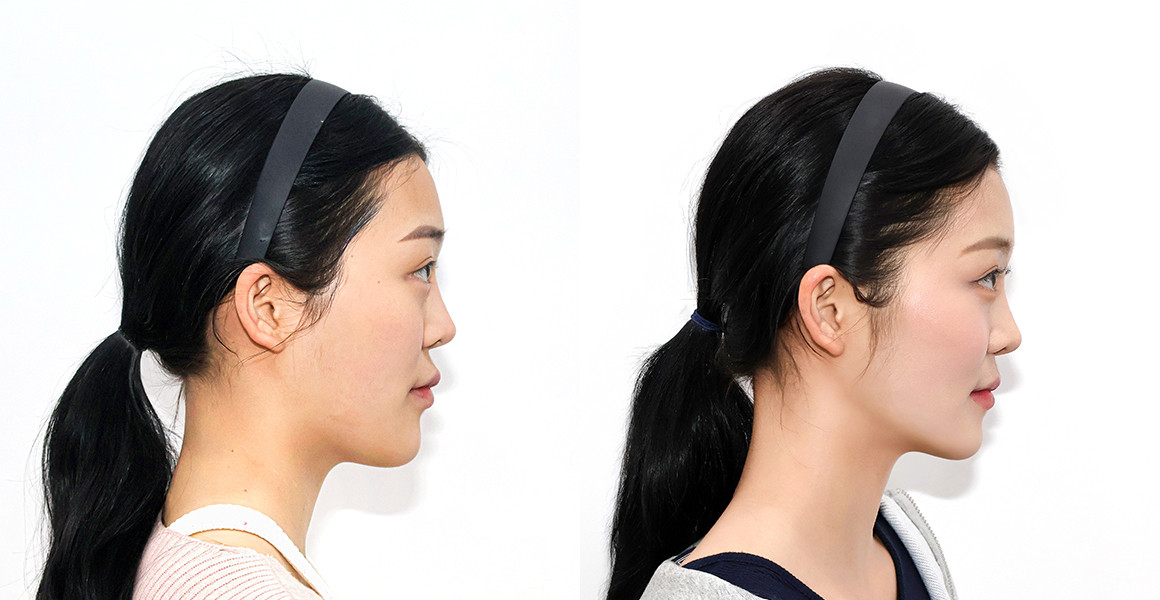
Side view: left before, right 10 months after surgery.
1% | Two-jaw surgery, High-3D cheekbone surgery and bespoke V-line, 7 months after surgery
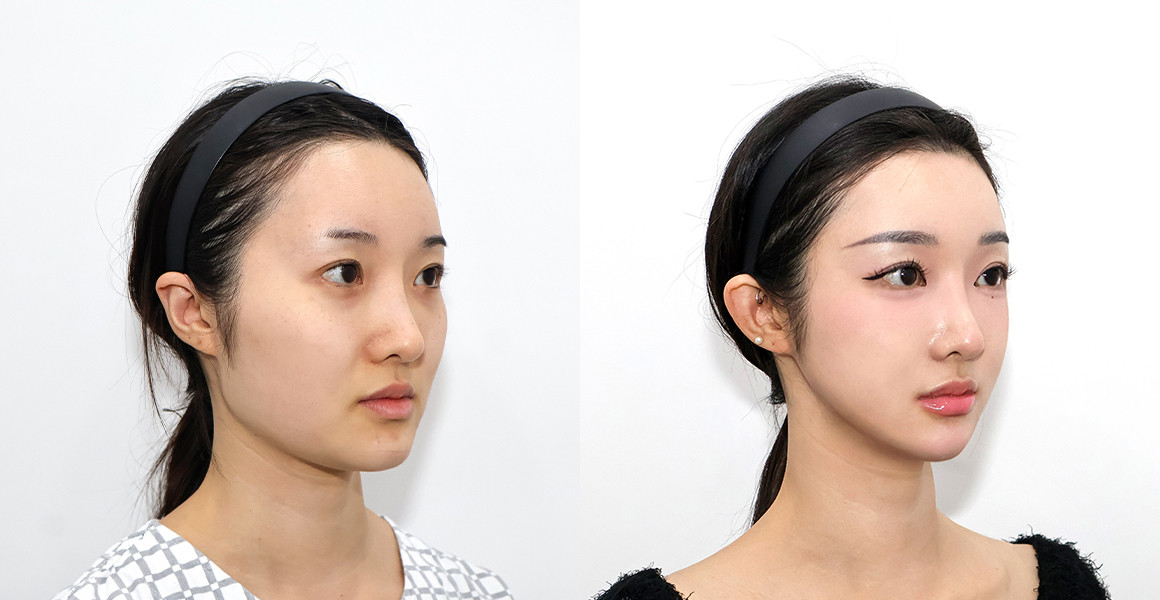
45-degree view: left before, right 7 months after surgery.
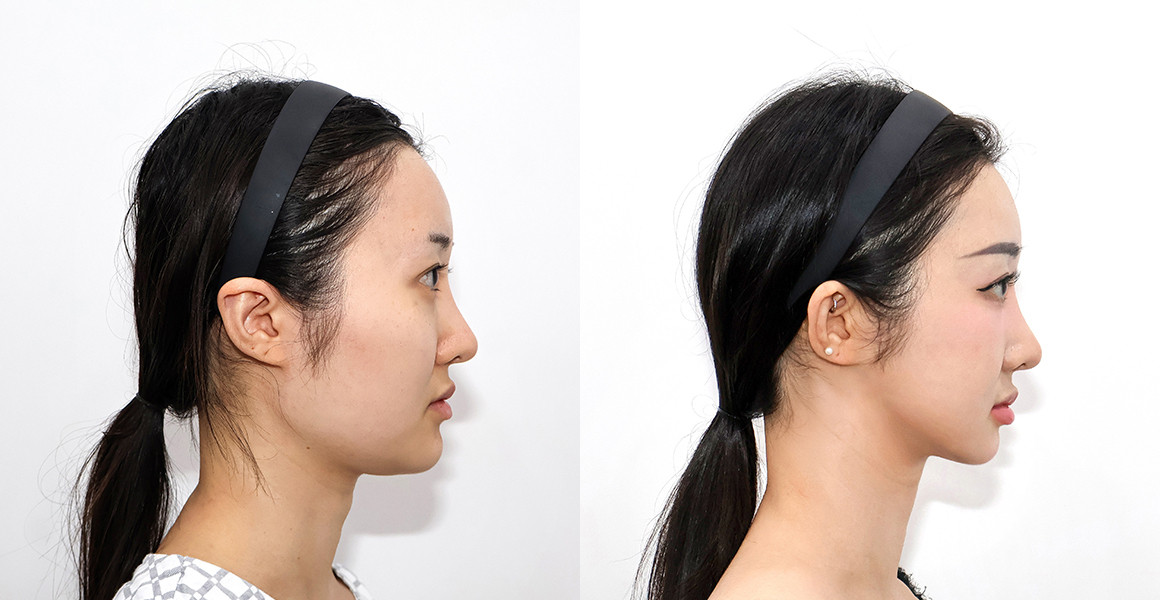
Side view: left before, right 7 months after surgery.
1% | Two-jaw surgery with multiple additional procedures, 3 months after surgery
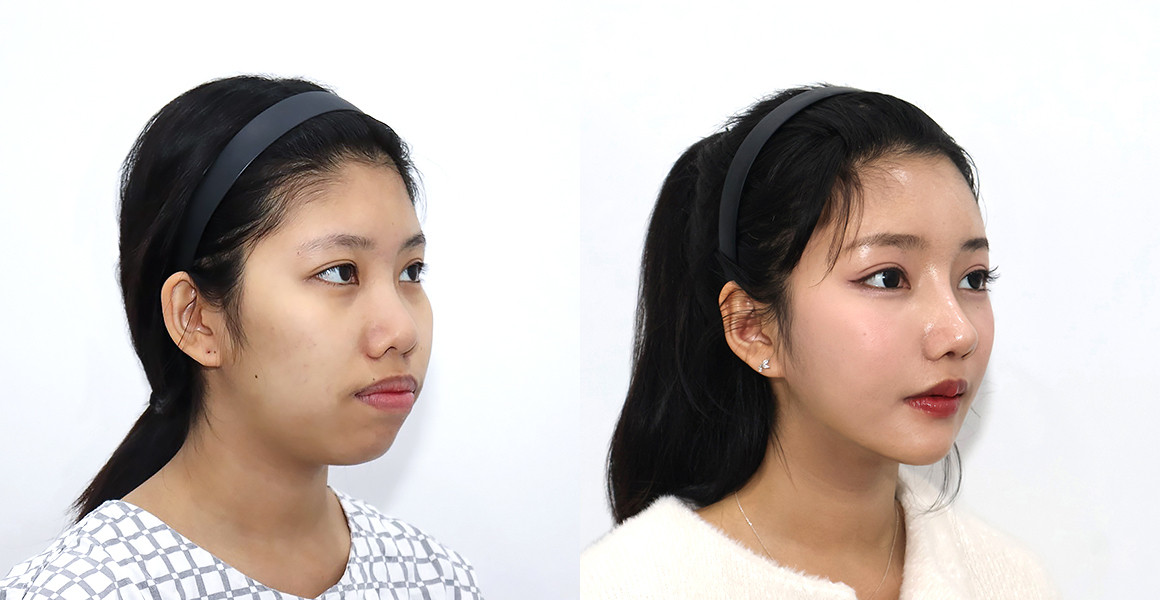
45-degree view: left before, right 3 months after surgery.
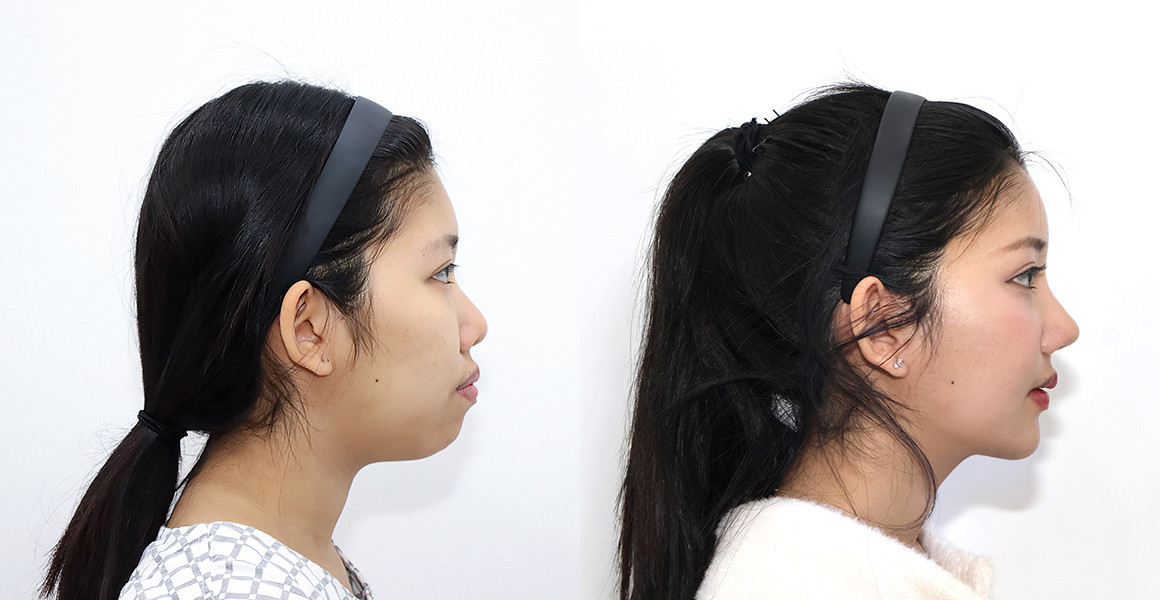
Side view: left before, right 3 months after surgery.
1% | Combined two-jaw, contour and forehead procedures, 3 months after surgery
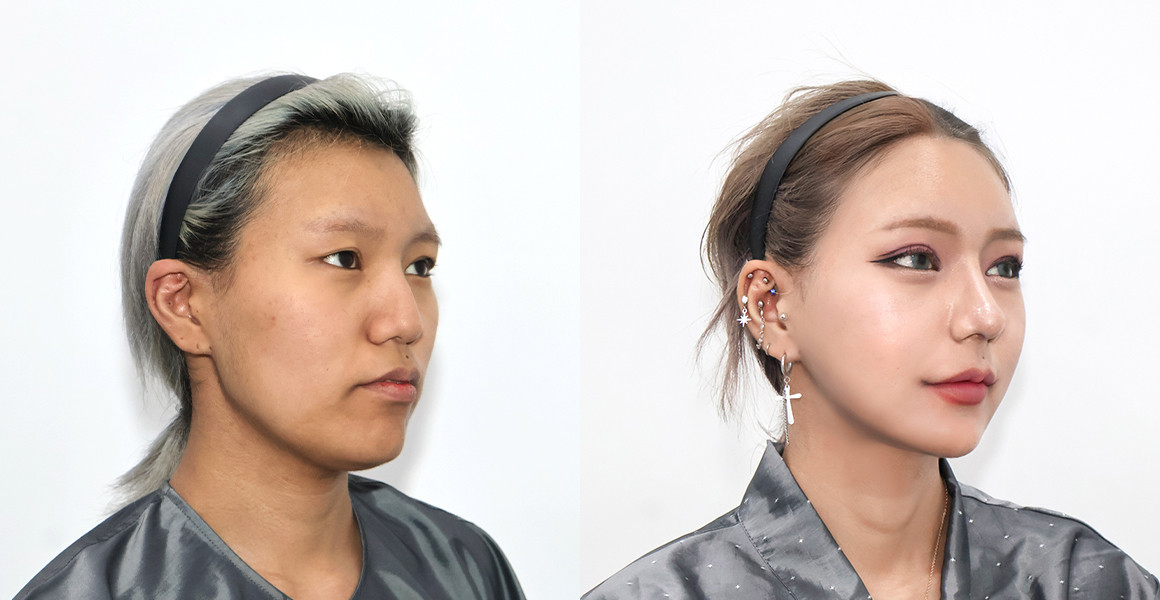
45-degree view: left before, right 3 months after surgery.
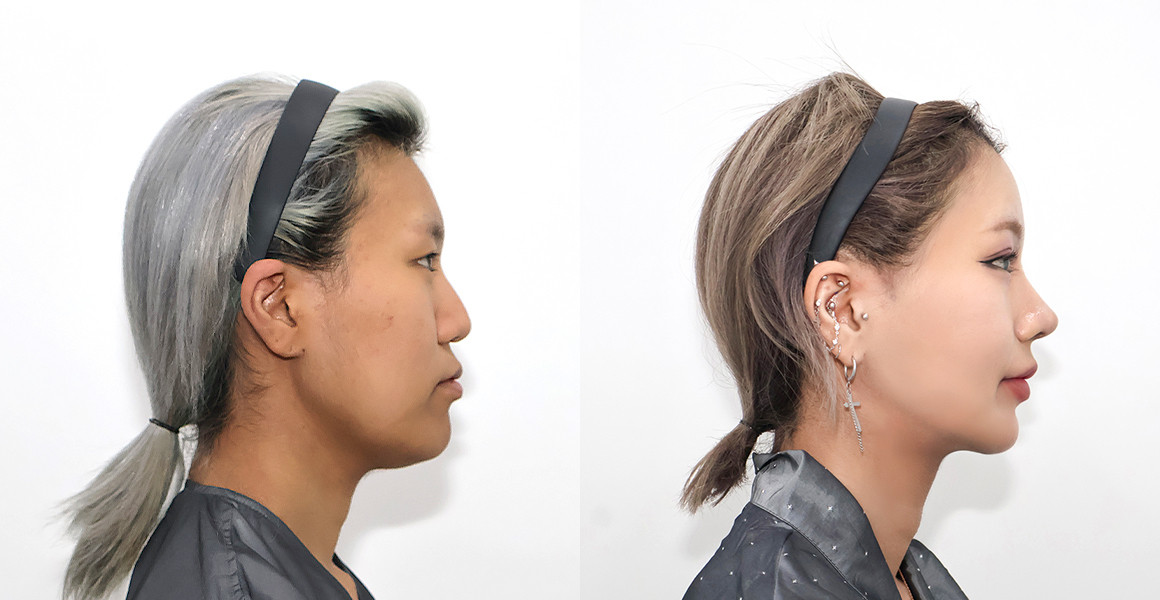
Side view: left before, right 3 months after surgery.
1% | Two-jaw surgery, contouring and facial liposuction, 3 months after surgery
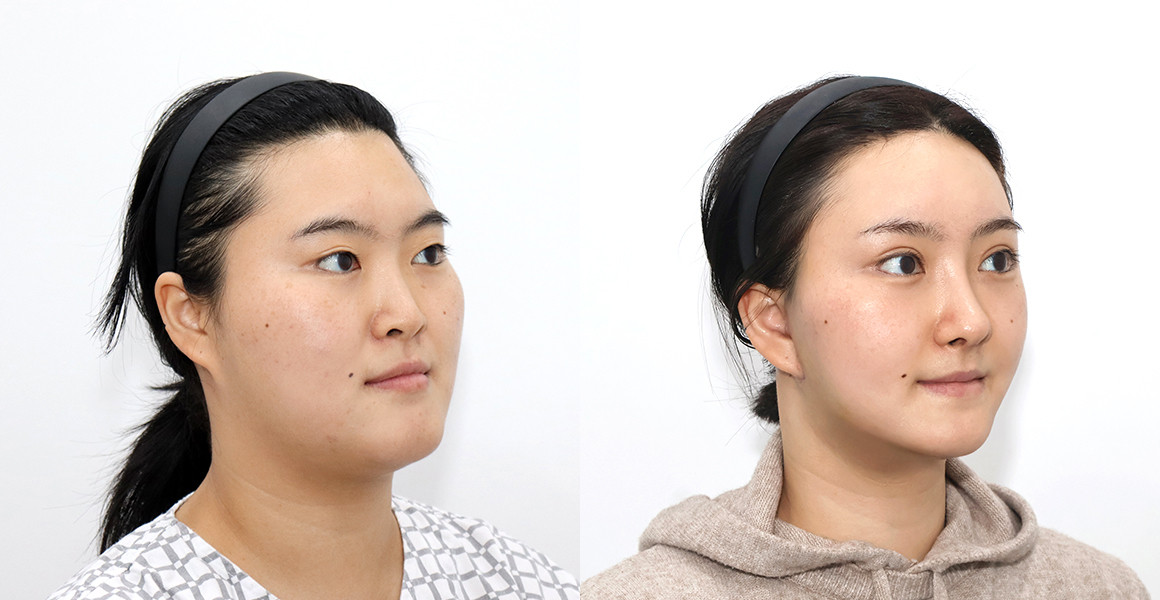
45-degree view: left before, right 3 months after surgery.
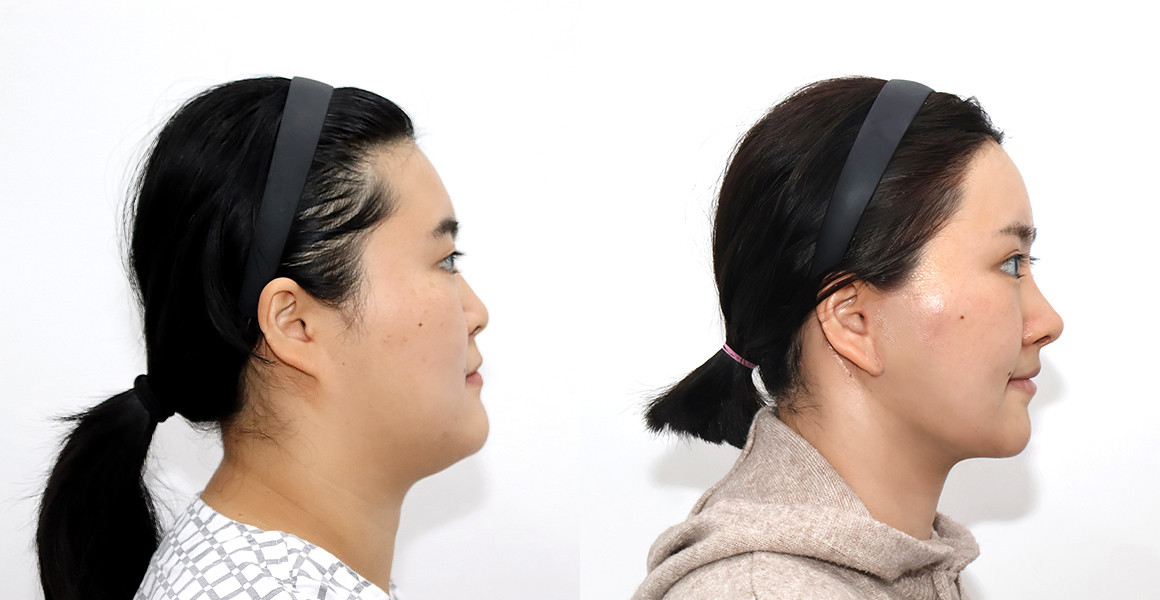
Side view: left before, right 3 months after surgery.
5. Compare fees only after defining the same treatment scope
“How much is protrusion surgery?” leaves out essential specifications: upper anterior segment only or both arches; two-jaw involvement; primary or revision surgery; and additional chin or contour procedures. Ranking different surgical plans by a single total price is not a meaningful comparison.
| Quotation category | Scope to specify | Commonly overlooked costs |
|---|---|---|
| Orthodontics | Upper and lower arches, appliance type, expected phases and review schedule | Extractions, temporary anchorage devices, retainers, transfer of care and extended treatment |
| ASO | Upper or lower anterior segment, number of extractions, fixation and orthodontic requirements | Imaging, general anaesthesia, hospital stay, medication, follow-up and subsequent dental care |
| Two-jaw surgery | Upper- and lower-jaw osteotomies, segmentation and rotation, and any additional chin surgery | Surgical guides, fixation materials, orthodontics, hospital nights and possible hardware removal |
| Combined or revision surgery | List each procedure separately, including old hardware management and additional contouring | Complexity charges, management of existing scars or healing problems, and additional accommodation |
Budget for total medical fees, your stay in Korea, and follow-up and orthodontics after returning home. Request a quote in Korean won stating its validity, tax treatment and cancellation terms. Ask the consultation team about current offers, but obtain an itemised plan-specific quote before paying. Domestic insurance rates or expired offers are not current total prices for overseas patients.
6. Returning to work, chewing and bone healing are different milestones
| Stage | Typical arrangements | What this does not mean |
|---|---|---|
| First days after surgery | Hospital care or close observation as advised; pain and swelling management, hydration and oral hygiene, starting with permitted liquids | Swelling does not show the final result; breathing difficulty or persistent heavy bleeding is not normal recovery |
| Around 1–2 weeks | Review wounds, bite and fixation; manage sutures as instructed and continue protecting the surgical area when eating | Suture removal or discharge does not mean bone healing is complete or that long-haul flying is appropriate |
| Around 2–4 weeks and beyond | Some patients gradually resume nonphysical work; the surgical and orthodontic teams should coordinate when to start or adjust orthodontics | Returning to desk work does not mean normal chewing, strenuous exercise or skipped reviews are safe |
| Following months | Continue monitoring swelling, sensation, bite and bone healing; increase diet texture and activity as advised | Not all numbness resolves quickly, and residual swelling can last for months |
These intervals help with practical planning; they are not universal recovery promises for every ASO or two-jaw plan. Orthognathic patients should usually allow several weeks for recovery and reviews, depending on surgical scope and work demands. Do not book the return trip solely on claims of being active within a few days.
7. Prepare these five things before the consultation
- Records of previous orthodontics, extractions, implants, root-canal treatment and jaw or facial surgery, including earlier imaging where available.
- Current periodontal, bite and temporomandibular-joint problems, plus relevant history such as snoring or sleep-related breathing difficulties.
- Natural front and side photographs at rest, with the lips closed and while smiling; filters or exaggerated expressions cannot replace examination.
- Separate goals relating to bite or lip closure from goals relating to appearance, and specify changes you do not want.
- Confirm the orthodontist who will see you at home, transfer of records, emergency contacts and the review schedule.
8. Common questions
Must four teeth always be removed for protrusion correction?
No. ASO often uses premolar extraction spaces, but the arch, teeth and number depend on the plan. Orthodontics does not invariably require four extractions either. Do not have teeth removed before the plan is agreed.
Can I have ASO after previous extraction-based orthodontics?
Previous extractions do not automatically rule it out, but a standard plan cannot be guaranteed. Whether spaces have closed, root and bone positions, periodontal health and the cause of protrusion can alter the options. Earlier orthodontic records are important for replanning.
Can chin augmentation replace treatment for a protruding mouth?
It cannot replace treatment for dental or alveolar protrusion. Chin surgery can change profile proportions but does not automatically change tooth positions or the bite. A chin-focused plan is a separate discussion when the main issue is chin retrusion.
Will ASO mean I no longer need braces?
Not necessarily. Moving bone segments does not automatically align every tooth or ensure ideal posterior contacts. The need for preoperative or postoperative orthodontics must be determined before surgery. “No braces” is not a universal benefit.
Is two-jaw surgery always more effective than ASO?
No. They treat different anatomical scopes. ASO may be insufficient when the whole jaw relationship needs correction. When an appropriate anterior segment is the target, the greater extent of two-jaw surgery does not automatically make it preferable.
Can I eat normally and fly home two weeks after surgery?
Do not assume so. Two weeks may be a review or suture-removal milestone, not a universal date for normal chewing. Wounds, eating ability, bite and follow-up arrangements need assessment by the surgical team before returning home.
If orthognathic surgery is indicated, read our guide to surgery-first versus orthodontics-first treatment to compare sequencing and overseas follow-up. This article supports consultation preparation; it does not replace individual diagnosis, surgical assessment or informed consent. Further reading: surgery first or orthodontics first