
Complete Guide to NK Immune Cell Therapy in Korea: How Your Innate Immune Warriors Protect Health and Youth
Among the vast army of the human immune system, there is a special “advance force” — NK cells (Natural Killer Cells). Without waiting for orders or antigen stimulation, they can identify and eliminate abnormal cells at the first moment. In recent years, with advances in immunology research and cell engineering technology, NK cell therapy has moved from the laboratory to clinical practice, becoming a star treatment in both cancer immunotherapy and anti-aging medicine. As one of the world’s leading countries in cell therapy technology, Korea has accumulated extensive experience in NK cell cultivation, expansion, and clinical application, attracting an increasing number of international visitors for treatment.
This article will comprehensively explain NK cell therapy from its basic knowledge, immune functions, cell sources and expansion technologies, CAR-NK frontier developments, beauty and anti-aging applications, treatment procedures, and safety profiles.
1. What Are NK Cells? — The “Natural Killers” of Innate Immunity
NK cells, or Natural Killer cells, are core members of the Innate Immune System. Unlike adaptive immune cells such as T cells and B cells that require complex steps of antigen presentation, recognition, and activation, NK cells possess innate killing ability and can attack target cells without prior antigen exposure.
NK cells constitute 5%-15% of peripheral blood lymphocytes, primarily distributed in blood, spleen, liver, and lungs. They do not express T cell receptors (TCR), instead using a sophisticated system of activating and inhibitory receptors to distinguish friend from foe: when MHC-I molecules (the “ID card” of normal cells) are missing or abnormal on target cells, NK cells’ inhibitory signals weaken and activating signals strengthen, promptly releasing Perforin and Granzyme to deliver precise strikes against targets.
Simply put, NK cells are like special forces patrolling 24/7 inside the body — once they detect abnormal molecules, they immediately execute a “kill on sight” order, serving as the first line of defense for health.
2. Core Functions of NK Cells: From Antiviral to Anticancer
Rapid Resistance Against Viral Infections
After viral infection, cells often downregulate surface MHC-I molecules to evade T cell pursuit. But this “disguise” actually becomes an exposed signal to NK cells — MHC-I absence is the key clue NK cells use to identify “enemies.” NK cells can respond rapidly in the early stages of infection (when adaptive immunity is not yet fully activated), directly lysing infected cells through cytotoxic molecules while secreting IFN-γ and other cytokines to recruit and activate other immune cells, forming a multilayered antiviral defense network.
Cancer Immune Surveillance
NK cells play a pivotal role in tumor immune surveillance. The normal human body produces thousands of genetically mutated abnormal cells daily, and NK cells are the primary force eliminating these “pre-cancerous cells.” Their anticancer mechanisms include:
- Preventing cancer initiation: NK cells continuously patrol and eliminate genetically mutated cells before they form tumors.
- Inhibiting cancer proliferation: Through perforin-granzyme, Fas/FasL, and TRAIL pathways, NK cells induce cancer cell apoptosis.
- Preventing metastasis: NK cells identify and kill circulating tumor cells (CTCs) in the blood, preventing distant organ colonization.
- Reducing recurrence: After surgery or chemoradiotherapy, active NK cells continuously clear residual cancer cells.
Immune Regulation and Overall Health Maintenance
Beyond direct killing, NK cells also serve as immune regulators. Through secreting various cytokines (IFN-γ, TNF-α, GM-CSF, etc.), they regulate the functions of dendritic cells, macrophages, and T cells, maintaining overall immune balance. Declining NK cell function is closely related to immunosenescence, manifesting as increased infection susceptibility, weakened vaccine responses, aggravated chronic inflammation, and elevated tumor risk.
3. NK Cell Sources: Peripheral Blood and Cord Blood
The first step of NK cell therapy is obtaining high-quality NK cell sources. Currently, there are two main clinical sources:
Peripheral Blood NK Cells
NK cells are isolated from the patient’s or a healthy donor’s peripheral blood, then cultured and expanded ex vivo before reinfusion. This is one of the most mature approaches. Advantages include convenient collection and mature technology, though the limited proportion of NK cells in peripheral blood (about 5%-15%) and age-related functional decline may affect expansion efficiency.
Cord Blood NK Cells
Umbilical cord blood contains abundant young immune cells and is an excellent source of NK cells. Recent research has found that cord blood NK cells possess multiple unique advantages: stronger expansion capability (achieving hundreds to thousands-fold expansion), higher activity with longer telomeres, lower immunogenicity reducing GvHD risk, and stable supply from cord blood banks without ethical controversies.
4. CAR-NK Cell Therapy: The Next Revolution in Immunotherapy
If conventional NK cell therapy equips soldiers with standard weapons, CAR-NK cell therapy gives them precision-guided systems. CAR-NK (Chimeric Antigen Receptor NK Cell) uses genetic engineering to install specific chimeric antigen receptors on NK cell surfaces, enabling precise recognition of tumor-specific antigens (such as CD19, HER2, NKG2D ligands), dramatically improving targeted killing efficiency.
Compared to CAR-T therapy, CAR-NK offers higher safety (lower CRS and neurotoxicity risk), safer allogeneic use (lower GvHD risk enabling “off-the-shelf” products), multiple killing mechanisms, and controllable manufacturing costs using cord blood NK cells.
Korea has made early and significant investments in CAR-NK, with multiple institutions receiving clinical trial approvals. Korea’s MFDS has approved several CAR-NK clinical studies covering hematologic malignancies and solid tumors, with encouraging preliminary safety and efficacy data.
5. NK Cell Therapy in Beauty and Anti-Aging
Beyond its core value in cancer immunotherapy, NK cell therapy has garnered significant attention in anti-aging medicine. Research increasingly shows that immune function decline is one of the core drivers of aging, and NK cell activity is a key marker of immune age.
Benefits include enhanced overall immunity (reduced cold frequency, less fatigue, more energy), delayed aging process (clearing senescent cells, reducing chronic inflammation, protecting DNA and telomeres), and improved overall well-being (better sleep quality, improved skin condition, restored physical energy, enhanced mood and cognition).
6. NK Cell Therapy Treatment Process
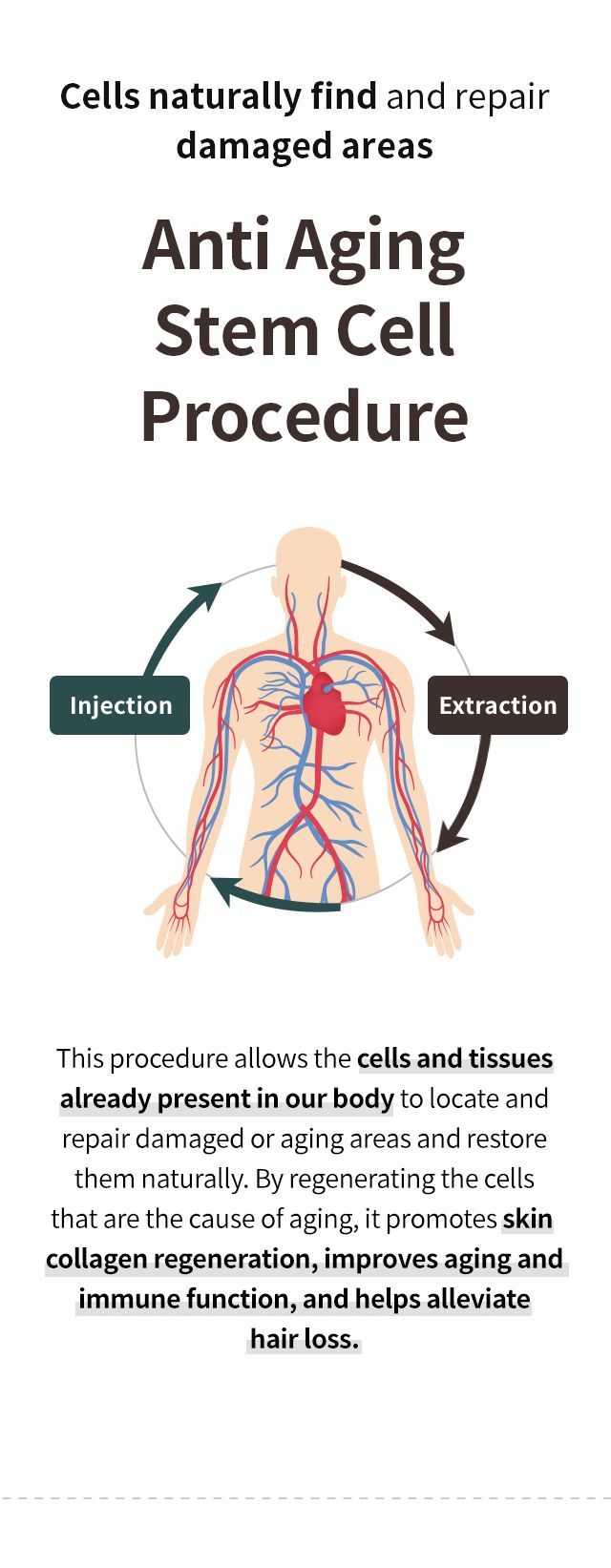
The standard treatment process in Korea includes:
- Initial Consultation & Assessment: Comprehensive health evaluation including blood tests and NK cell activity measurement. BeautsGo can arrange online consultations in advance.
- Blood Collection (autologous): About 50-100ml peripheral blood collected in a GMP-grade laboratory, taking just 10-15 minutes.
- Ex Vivo Culture & Expansion: NK cells are cultured for 2-3 weeks in GMP clean rooms with specific cytokines, achieving billions of highly active NK cells with strict quality control.
- NK Cell Reinfusion: Intravenous infusion taking about 30-60 minutes, followed by 1-2 hours of observation.
- Follow-up: First follow-up at 1-2 weeks; maintenance sessions recommended every 3-6 months.
7. Safety of NK Cell Therapy
NK cell therapy has demonstrated good overall safety through years of clinical validation. Common side effects are mild and transient: low-grade fever, mild chills, and fatigue within hours of infusion, typically resolving within 24-48 hours. Key safety advantages include no tumorigenic risk, no gene integration risk, extremely low cytokine storm risk, and no rejection with autologous cells.
8. Who Is Suitable for NK Cell Therapy?
Suitable candidates include those with weakened immunity, cancer patients (adjuvant therapy), high cancer risk individuals, those seeking anti-aging from age 30+, and people with suboptimal health. Not recommended for pregnant/nursing women, patients with active severe autoimmune diseases, organ transplant recipients on immunosuppressants, or those with severe allergies.
9. Practical Tips for NK Cell Therapy in Korea
For international visitors planning NK cell therapy in Korea: medical visa assistance (C-3-3) is available through BeautsGo; autologous therapy requires two visits (2-3 weeks apart) while allogeneic products need just one visit; full Chinese/English interpretation and transportation services are provided. Bring recent medical records and medication lists.
FAQ
Q: How is NK cell therapy different from CAR-T? CAR-T targets specific hematologic cancers with higher side effects, while NK cell therapy has broader applications with better safety. They complement each other.
Q: How soon do effects appear? How long do they last? Most people feel improved energy within 1-2 weeks. Blood test improvements show at 2-4 weeks. Single infusion effects last 3-6 months; maintenance every 3-6 months is recommended.
Q: Can NK cell therapy cure cancer? Currently, NK cell therapy serves primarily as adjuvant treatment enhancing immunity and reducing recurrence risk, not as a standalone cancer cure. It should not replace conventional cancer treatments.
Conclusion
NK cell therapy represents the frontier of immunological medicine and anti-aging science. Korea, with its mature cell therapy industry, strict regulatory system, and world-leading CAR-NK technology, stands as one of the premier destinations for NK cell therapy globally. Whether you seek immune enhancement, cancer prevention, or fundamental anti-aging from the immune level, NK cell therapy deserves your consideration.
Contact Us for a Free Consultation
Connect with our professional consultants for personalized plans and pricing


LINE

Mini Program