
Among the many stem cell anti-aging technologies, Adipose-Derived Stem Cells (ADSCs) have become one of the most widely used and technically mature anti-aging solutions, thanks to their abundant source, minimally invasive extraction, high activity, and excellent safety profile.
Korea, as a global leader in medical aesthetics and regenerative medicine, has accumulated extensive experience in ADSCs research and clinical application. This article provides an in-depth analysis of every aspect of adipose stem cell anti-aging therapy.
1. What Are Adipose-Derived Stem Cells (ADSCs)?
Adipose-derived stem cells are adult stem cells found in human adipose tissue, belonging to the mesenchymal stem cell (MSC) family. They possess powerful self-renewal and multi-directional differentiation capabilities, able to develop into adipocytes, osteocytes, chondrocytes, myocytes, and neurocytes under specific conditions.
Compared to other stem cell sources, ADSCs have a natural advantage: the stem cell content in adipose tissue is extremely rich. Each gram of adipose tissue contains approximately 500 times more mesenchymal stem cells than bone marrow.
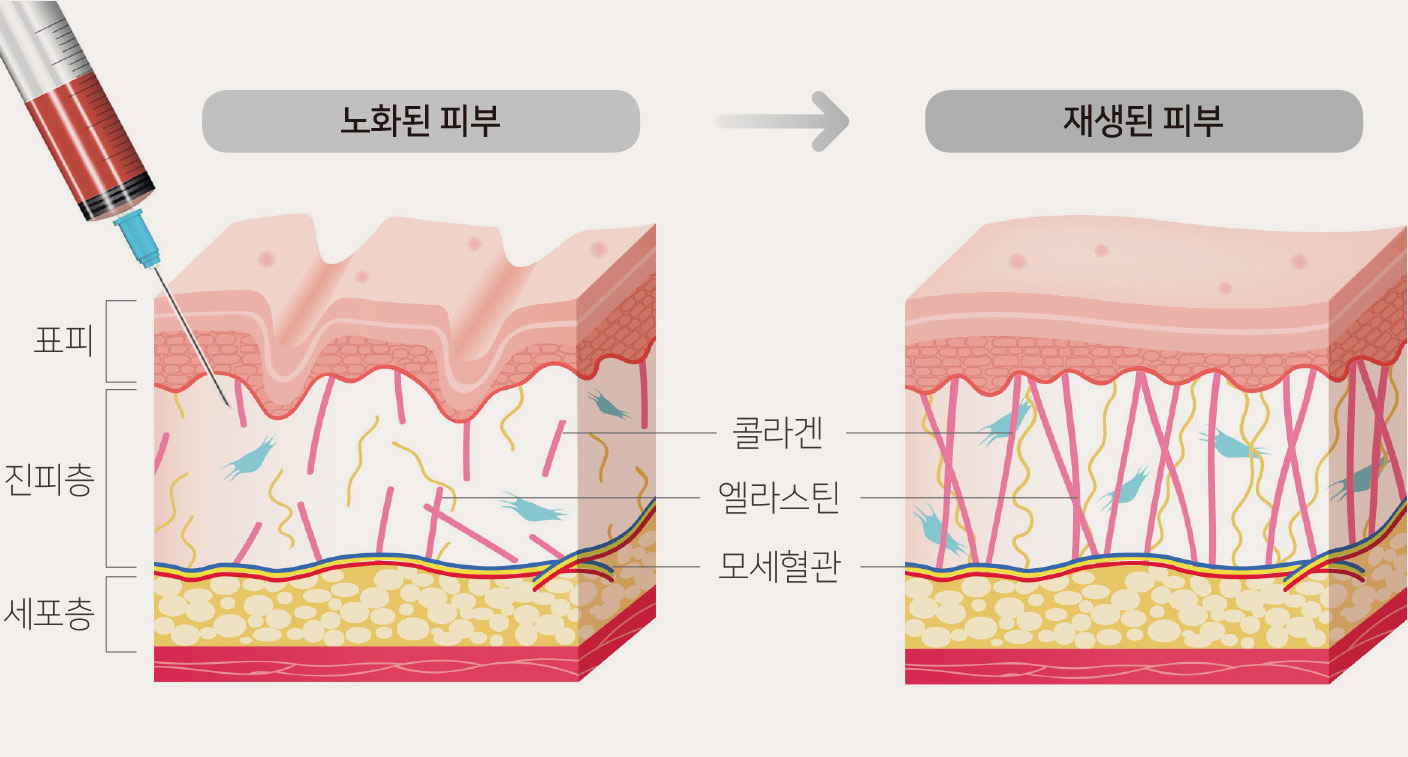
ADSCs not only have differentiation and regeneration capabilities but also secrete numerous bioactive factors—including VEGF, HGF, and TGF-beta—that promote collagen and elastin regeneration, improve local microcirculation, suppress inflammation, and activate the body’s self-repair mechanisms.
2. How Are ADSCs Extracted?
The extraction process is far less complex than you might imagine. The entire collection is performed minimally invasively under local anesthesia, similar to a small-area liposuction procedure.
Collection Process:
- Selection of collection site: Usually the abdomen, inner thighs, or buttocks where adipose tissue is abundant.
- Local anesthesia: You remain conscious throughout with virtually no pain.
- Minimally invasive liposuction: Approximately 200cc of fat is collected through 2-3mm micro-incisions in about 30-60 minutes.
- Wound care: Only requires adhesive bandages or simple sutures with no visible scarring.
Recovery: Mild bruising and soreness at the collection site, typically significantly improving within 3-7 days and fully recovering in 1-2 weeks.
3. Laboratory Processing: From Fat to Stem Cells
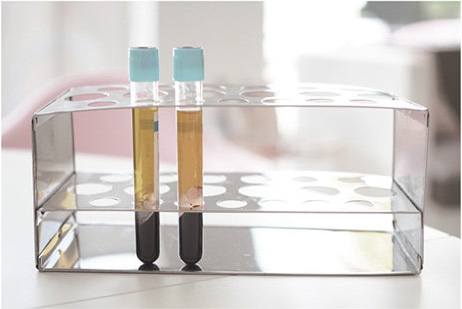
Collected adipose tissue undergoes precise processing in GMP-standard laboratories: washing and separation, purification via centrifugation, culture expansion at 37°C for 2-4 weeks, comprehensive quality testing (viability, purity, sterility, endotoxin), and preparation of injection-ready suspension.
Key data: Every 100ml of adipose tissue yields approximately 40-80 million highly active stem cells with a survival rate exceeding 90%. After further cultivation, cell numbers can reach the billions needed for treatment.
4. Major Application Areas
1. Facial Anti-Aging and Rejuvenation
This is the core application of ADSCs in aesthetics. The treatment achieves dual “filling + regeneration” effects: immediate volume restoration through fat filling, and long-term skin quality improvement through stem cell-secreted growth factors promoting collagen regeneration. Fat graft survival rates improve from the traditional 30-50% to 60-80%.
2. Breast Augmentation
ADSCs-assisted autologous fat breast augmentation offers more natural feel and appearance than implants, with significantly improved fat survival rates reducing the need for repeat procedures.
3. Scar Repair
ADSCs show encouraging results for depressed scars, burn scars, stretch marks, and surgical scars by promoting collagen remodeling and tissue regeneration.
4. Systemic Skin Regeneration
Through intravenous injection, ADSCs enter blood circulation and automatically home to damaged and aging tissue areas. Many patients report improved overall skin radiance, elasticity, and firmness alongside better sleep and energy levels.
5. Complete Treatment Process
Step 1: Remote consultation (2-4 weeks before) → Step 2: First visit to Korea for examination and fat collection (Days 1-3) → Step 3: Cell cultivation period (2-4 weeks) → Step 4: Second visit for stem cell infusion (Days 1-2) → Step 5: Post-treatment recovery and long-term follow-up
BeautsGo can assist with C-3-3 medical visa, full-journey interpretation, airport transfers, and accommodation throughout the process.
6. How Long Do Results Last?
Results duration varies by individual, influenced by age, baseline health, lifestyle, sun protection habits, and treatment protocol. Generally, a single ADSCs facial treatment maintains results for 6-12 months. Fat volume restoration can last longer once stabilized, while skin quality improvements may benefit from periodic maintenance every 6-12 months.
7. ADSCs vs Traditional Fat Transfer: Key Differences
| Comparison | Traditional Fat Transfer | ADSCs Treatment |
|---|---|---|
| Purpose | Volume filling | Filling + regenerative repair |
| Fat Survival Rate | 30%-50% | 60%-80% |
| Skin Quality | Limited improvement | Significant improvement |
| Mechanism | Physical filling | Physical filling + cellular regeneration |
| Longevity | May need multiple top-ups | Higher survival, fewer retreatments |
8. Safety
ADSCs offer superior safety due to autologous sourcing (no immune rejection), high cell survival rate (~98%), mature technology with 20+ years of clinical experience, and minimally invasive procedures. Possible mild reactions include temporary bruising and swelling at collection/injection sites. Always choose certified medical institutions with GMP-standard laboratories.
9. Cost Reference
- Europe/America: ~$42,000 – $84,000
- Japan: ~$28,000 – $56,000
- Korea: ~$11,000 – $28,000
Korea’s pricing advantage does not mean compromised quality. Lower costs result from market competition, economies of scale, and government support for medical tourism.
10. FAQ
Q: I’m quite thin. Can I still undergo ADSCs treatment? Only about 200cc of fat is needed—even slender individuals usually have enough in the abdomen or inner thighs. Your doctor will assess during consultation.
Q: How is ADSCs different from PRP? PRP acts mainly through growth factors (like fertilizing a garden), while ADSCs both secrete richer growth factors AND can directly differentiate into new cells (fertilizing + planting new flowers). They can be effectively combined.
Q: When can I wear makeup after treatment? Generally avoid makeup for 3-5 days post facial injection. Flying is usually safe the day after post-treatment checkup.
Contact Us for a Free Consultation
Reach out to our professional consultants for personalized treatment plans and cost estimates