
Prominent cheekbones are a common facial contour concern for many Asians, making the face appear wide and creating a harsh or aged appearance. With continuous innovation in Korean plastic surgery, zygoma reduction has evolved from the traditional “bone shaving” era to a safer, more natural stage. This article provides a comprehensive analysis of the latest techniques, surgical methods, and post-operative recovery tips for zygoma reduction in Korea.
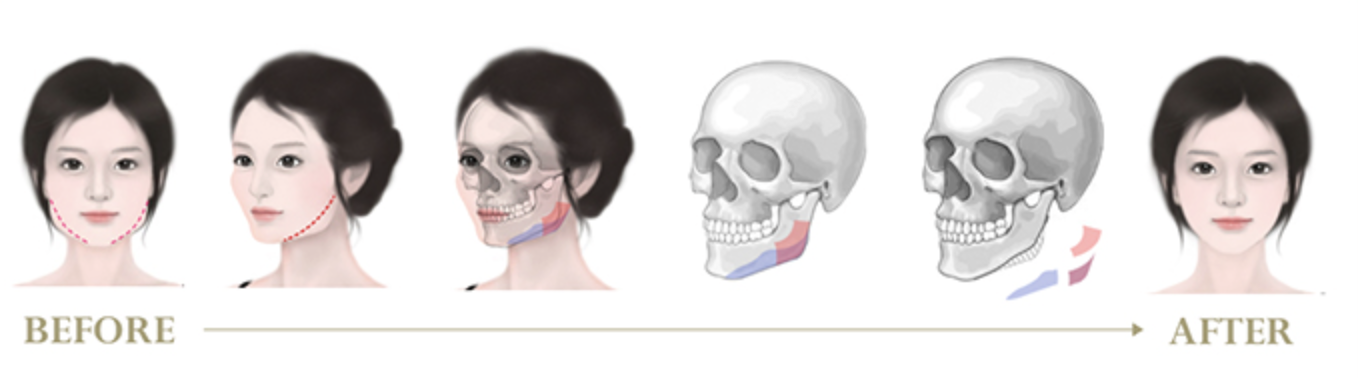
1. What is Zygoma Reduction Surgery?
Zygoma Reduction adjusts the position and shape of the cheekbones to reduce mid-face width and create a softer contour. The zygomatic bone, located below the eye socket and in front of the ear, consists of the zygomatic body and arch. Overly prominent cheekbones make the face appear diamond-shaped, especially noticeable from the front and 45-degree angles.
Korean plastic surgery has decades of experience in cheekbone surgery, developing refined approaches for different types of prominence (frontal, lateral, combined).
2. Common Types of Prominent Cheekbones
1. Frontal Prominence: The mid-face appears significantly wider than the forehead and jaw from the front, with the zygomatic body protruding outward.
2. Lateral Prominence: The zygomatic arch expands outward, creating a broad appearance from the side.
3. Combined Prominence: Both zygomatic body and arch protrude, making the entire face appear wide. This is the most common type.
4. Prominence with Sagging: Prominent cheekbones with facial soft tissue sagging, commonly seen in patients over 30.
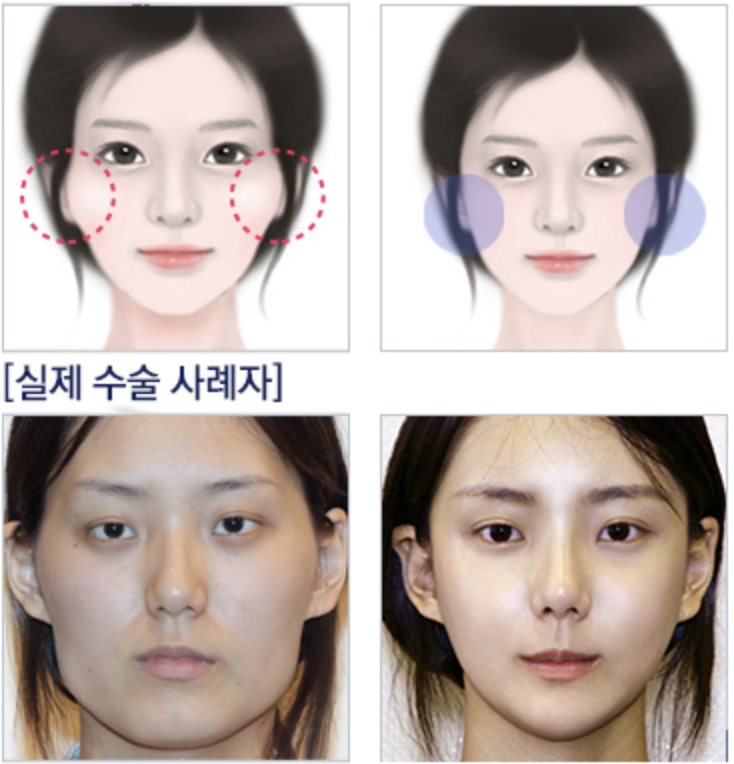
3. Core Techniques of Korean Zygoma Reduction
1. Non-Shaving Lifting Zygoma Reduction
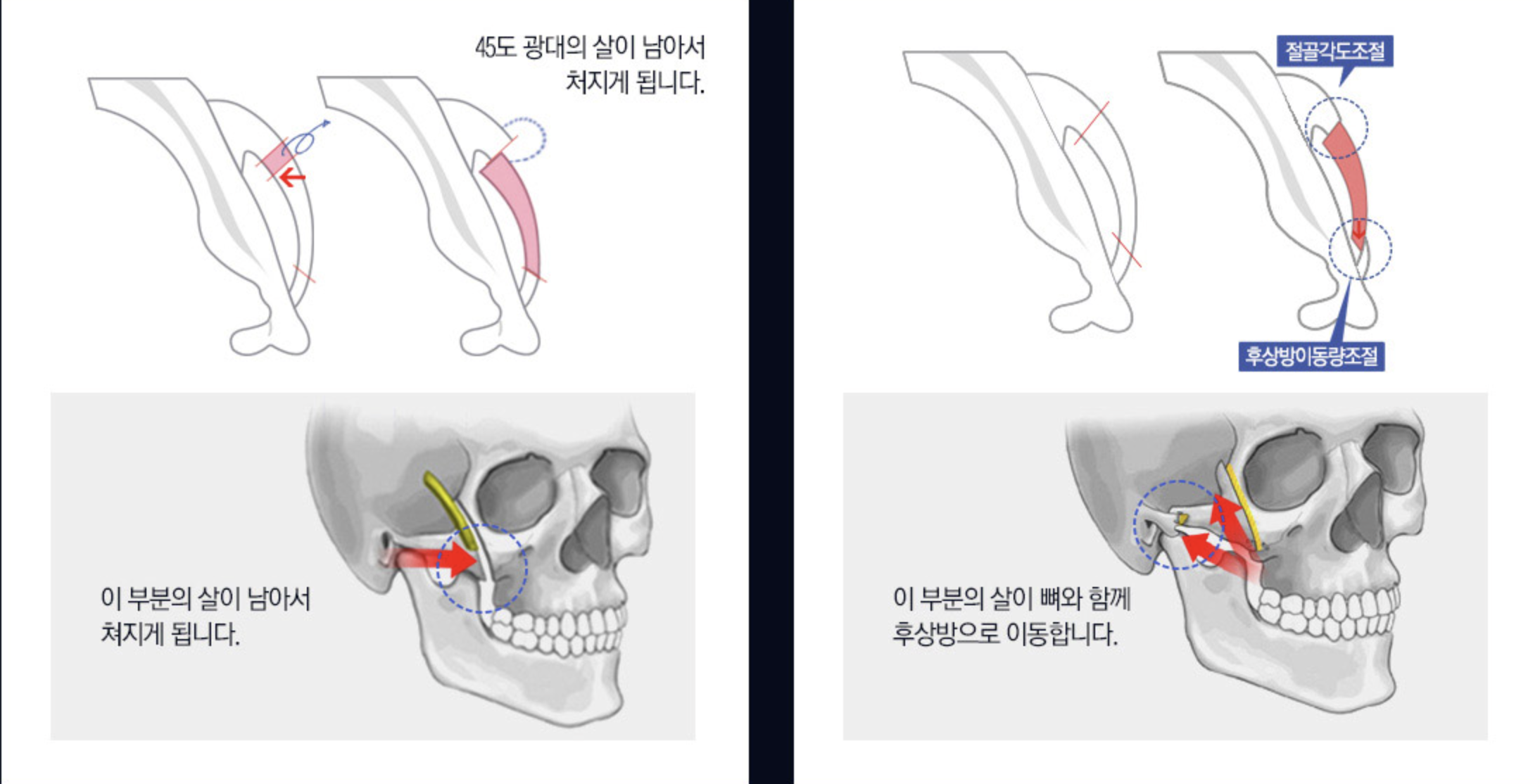
This is one of Korea’s most advanced techniques. Unlike traditional bone shaving, no bone is removed. Through precise osteotomy design, the protruding cheekbone is pushed inward and fixed, with simultaneous soft tissue lifting to minimize sagging risk.
Key Advantages:
• No bone removal, preserving natural bone structure
• Significant reduction through inward repositioning after osteotomy
• Simultaneous soft tissue lifting prevents post-operative sagging
• Shorter recovery period with faster swelling reduction
2. L-shaped Osteotomy and Inward Push
Osteotomy at the zygomatic body and arch creates an L-shaped line, then the entire cheekbone is pushed inward. Suitable for combined prominence patients.
3. Rotational Inward Push Method
For patients with primarily arch prominence, osteotomy at a specific angle allows the arch to rotate inward. Less invasive, particularly suitable for lateral arch prominence.
4. Detailed Surgical Procedure
Pre-operative Stage:
• 3D-CT scan for precise zygomatic structure analysis
• Facial proportion measurement and surgical plan design
• Complete physical examination and anesthesia evaluation
• Discontinue anticoagulants and supplements 1-2 weeks before surgery
Surgical Procedure (approx. 1.5-2.5 hours):
• Performed under general anesthesia
• Intraoral incision + small sideburn incision (~1cm)
• Precise osteotomy along predetermined lines
• Repositioning cheekbone to ideal position
• Fixation with titanium mini-plates
• Simultaneous soft tissue lifting if needed
Post-operative Recovery:
• Days 1-2: Facial compression bandaging
• Days 3-5: Peak swelling period
• Days 7-10: Suture removal
• Weeks 2-3: Significant swelling reduction
• Full recovery: approximately 2-3 months
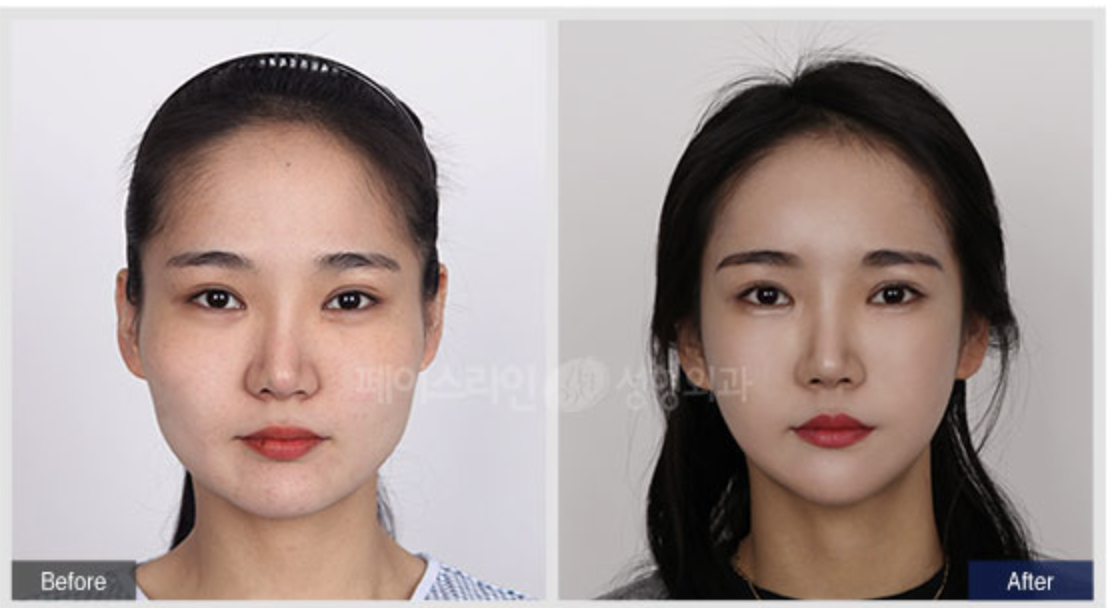
5. Ideal Candidates for Zygoma Reduction
• Those with frontal cheekbone prominence making the face appear wide
• Those with lateral zygomatic arch expansion causing mid-face width
• Those appearing aged or harsh due to prominent cheekbones
• Those seeking soft, smooth facial contours
• Those with disproportionate facial proportions
6. Pre-operative Considerations
Consider these factors when choosing the surgical method:
Bone Condition: CT examination confirms the specific location and degree of prominence to select the most suitable osteotomy plan.
Skin Elasticity: Good elasticity means better post-operative retraction. Poor elasticity calls for combined soft tissue lifting.
Age Factor: Young patients may only need osteotomy and inward push. Patients over 30 should combine with lifting procedures.
Overall Facial Harmony: Zygoma reduction must coordinate with other structures, sometimes requiring combined jaw angle or V-line surgery.
7. Frequently Asked Questions (FAQ)
Q1: Will zygoma reduction cause facial sagging?
A: Traditional bone shaving carries higher sagging risk. However, Korea’s current non-shaving lifting technique minimizes this by preserving bone integrity and simultaneously lifting soft tissues. Choosing an experienced team is key.
Q2: How long is the recovery period?
A: Peak swelling at 3-5 days, suture removal at 7-10 days, most swelling subsides in 2-3 weeks, full recovery in 2-3 months. Stay in Korea for at least 7-10 days.
Q3: Will the face look unnatural after surgery?
A: A proper surgical plan precisely calculates reduction based on individual proportions for natural, harmonious results. Excessive reduction disrupts facial harmony.
Q4: Can it be combined with other surgeries?
A: Yes. Zygoma reduction is often combined with jaw angle surgery, V-line sculpting, and fat grafting to address multiple issues in one surgery.
Q5: Is hospitalization required?
A: Generally 1-2 days of hospitalization for observation. Regular follow-ups are needed; a 7-10 day stay in Korea is recommended.
Q6: Is there an age limit?
A: Generally recommended after age 18 when bone development is complete. No strict upper limit, but older patients need more attention to soft tissue lifting design.
If you are considering zygoma reduction surgery, please contact our professional consulting team for a personalized facial assessment and surgical plan.
Contact Us for a Free Consultation
Connect with our professional consultants for a personalized surgical plan and cost estimate


LINE

Mini Program