
Double jaw surgery (also known as orthognathic surgery or bimaxillary surgery) is the most technically challenging and dramatically effective type of facial contouring surgery. By simultaneously adjusting the positions of the upper and lower jaw bones, it fundamentally changes the facial skeletal structure, solving complex facial problems that traditional contouring surgery cannot address. Korea is the world’s most advanced country for double jaw surgery with the richest case experience. This article provides a comprehensive analysis of this surgery’s principles, indications, technical features, and recovery process.
1. What is Double Jaw Surgery?
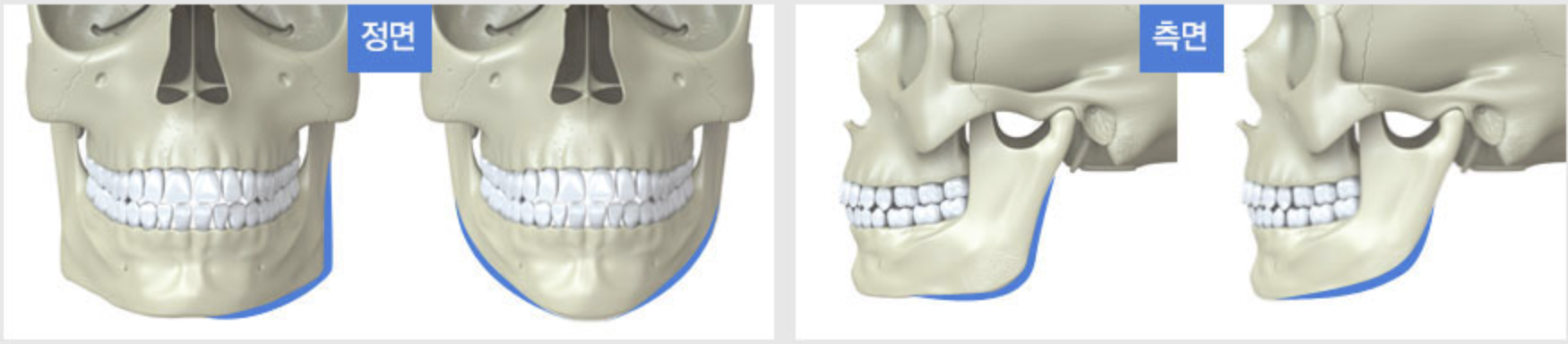
The medical name for double jaw surgery is Bimaxillary Osteotomy, involving simultaneous Le Fort I osteotomy of the upper jaw and SSRO or BSSO osteotomy of the lower jaw for repositioning. By precisely moving the upper and lower jaw positions, it can correct malocclusion, improve facial bone proportions, and reshape the overall facial contour.
Unlike simple contouring surgery (such as jaw angle or zygoma reduction), double jaw surgery changes the positional relationship of the entire mid-face and lower-face bones, addressing deeper structural issues.
2. Indications for Double Jaw Surgery
Double jaw surgery is suitable for the following facial skeletal problems:
1. Underbite / Mandibular Prognathism
The lower jaw is excessively protruding, with lower teeth biting in front of upper teeth. This is the most classic indication.
2. Overbite / Maxillary Protrusion
Upper jaw protrusion causing prominent upper teeth exposure, difficulty closing lips naturally, and convex facial profile.
3. Facial Asymmetry
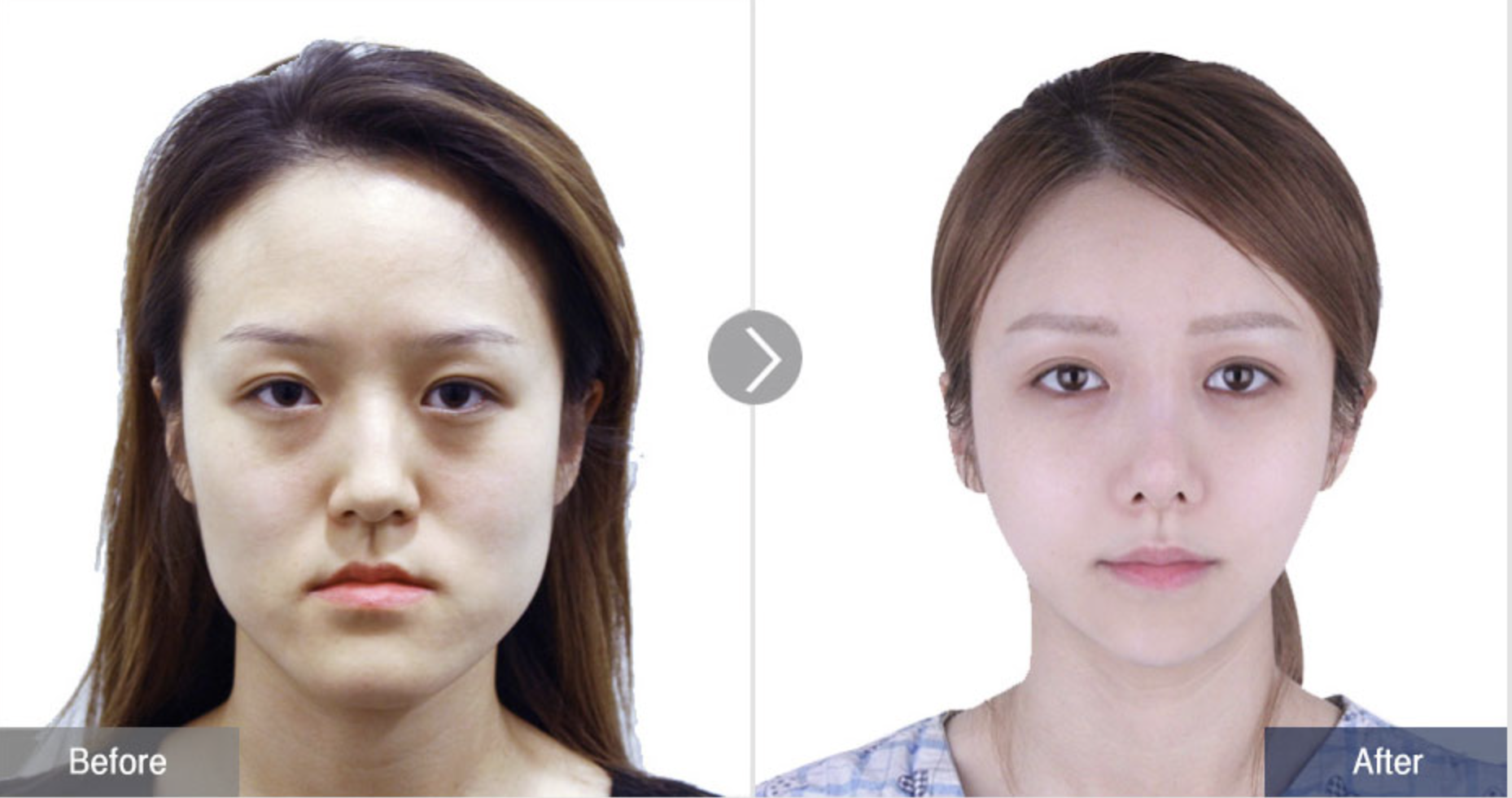
Uneven skeletal development on both sides causing chin deviation and obvious left-right asymmetry. Double jaw surgery precisely adjusts both jaw positions to correct asymmetry.
4. Long Face / Excessive Facial Height
Excessive vertical facial height, with upper jaw growing downward causing gummy smile and long mid-face. Upper jaw osteotomy pushes upward to shorten facial length.
5. Open Bite
Upper and lower front teeth cannot make contact, affecting chewing function and facial aesthetics.
3. Technical Features of Korean Double Jaw Surgery
1. JSRO Osteotomy Technique
JSRO (J-shaped Ramus Osteotomy) is an improved technique based on traditional SSRO. Using a J-shaped curved osteotomy instead of straight-line cutting, it maximally preserves bone around the inferior alveolar nerve canal, significantly reducing the risk of post-operative lower lip and chin numbness.
Core Advantages:
• J-shaped osteotomy line avoids the inferior alveolar nerve
• Dramatically reduces probability of permanent numbness
• Large osteotomy surface area for more stable bone healing
• Wide applicability for various mandibular issues
2. Dynamic Anti-aging Double Jaw Surgery
This technique integrates anti-aging concepts with bone repositioning, considering soft tissue lifting and reshaping simultaneously for a youthful post-surgical appearance.
3. Elastic Fixation Technology
Special elastic fixation devices ensure bone stability while allowing micro-physiological movement, promoting natural bone healing.
4. Transparent Double Jaw (Digital Double Jaw Surgery)
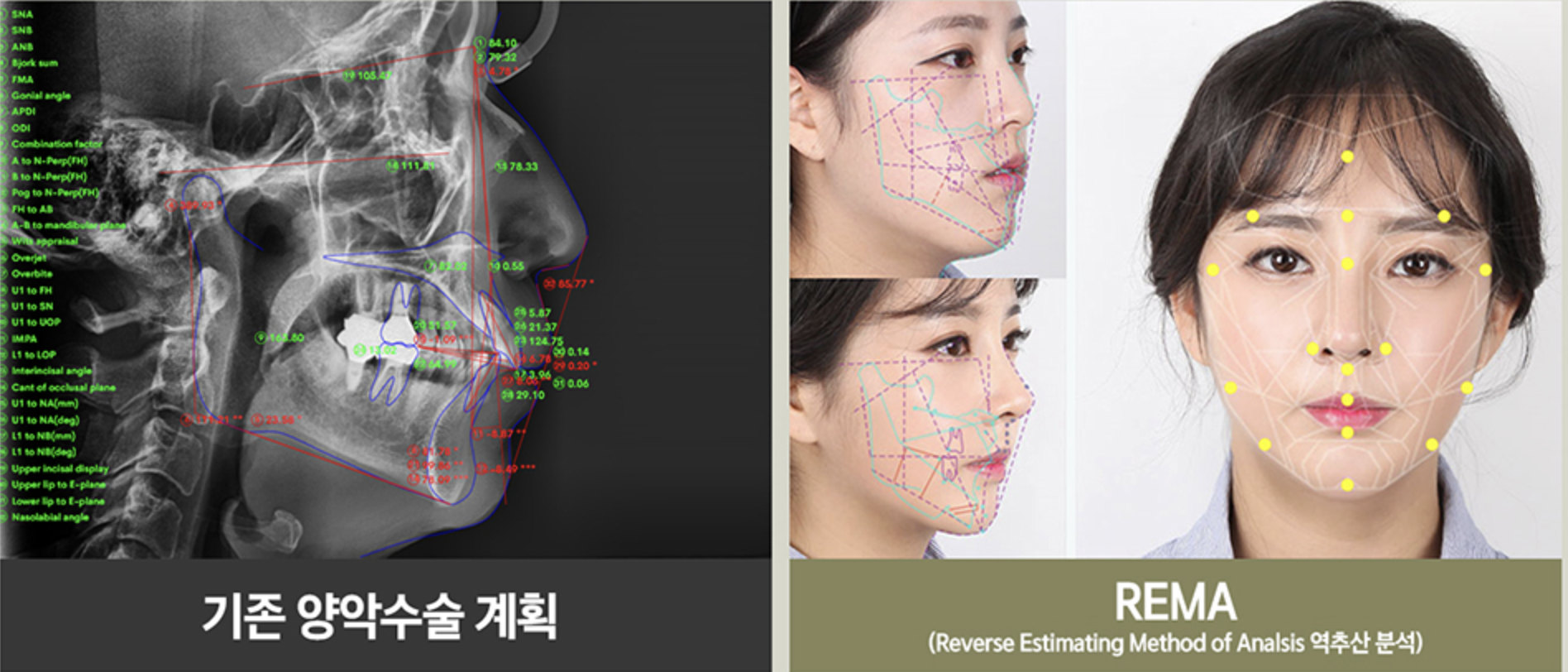
Using advanced 3D digital planning technology, the computer precisely calculates jaw movement direction and distance before surgery, creating personalized surgical guides for millimeter-level precision.
Technical Features:
• 3D-CT data modeling and surgical simulation
• Personalized surgical guides for precise guidance
• Preview post-surgical results before the operation
• Greatly improved surgical precision and safety
4. Double Jaw Surgery vs Contouring Surgery: How to Choose?
Choose Double Jaw Surgery when:
• Bite problems exist (underbite, overbite, open bite, etc.)
• Abnormal upper-lower jaw positional relationship
• Obvious facial asymmetry
• Excessively long face needing shortening
• Fundamental change in facial bone structure needed
Choose Contouring Surgery when:
• Normal bite, only bone shape issues
• Prominent cheekbones or wide jaw angle
• Width issues are the main concern
• No jaw positional adjustment needed
5. Surgical Process and Recovery
Surgical Procedure (approx. 3-5 hours):
• General anesthesia
• All incisions made intraorally (no external scars)
• Upper jaw Le Fort I osteotomy and repositioning
• Lower jaw JSRO/SSRO osteotomy and repositioning
• Titanium plate and screw fixation
• Bite adjustment and symmetry confirmation
Recovery Timeline:
• Days 1-3: Hospitalization, significant facial swelling
• Week 1: Peak swelling gradually passing
• Week 2: Transition from liquid to soft diet
• 1 month: Most swelling subsides, basic social activities possible
• 3 months: Facial shape stabilizing
• 6 months – 1 year: Complete finalization, bone fully healed
6. Post-operative Care
Diet: Strict liquid diet for the first 2 weeks, transition to soft food weeks 3-4, gradually resume normal diet after 6 weeks. Avoid hard foods for at least 3 months.
Oral Hygiene: Use professional mouthwash multiple times daily. Cannot use toothbrush initially, use mouthwash instead.
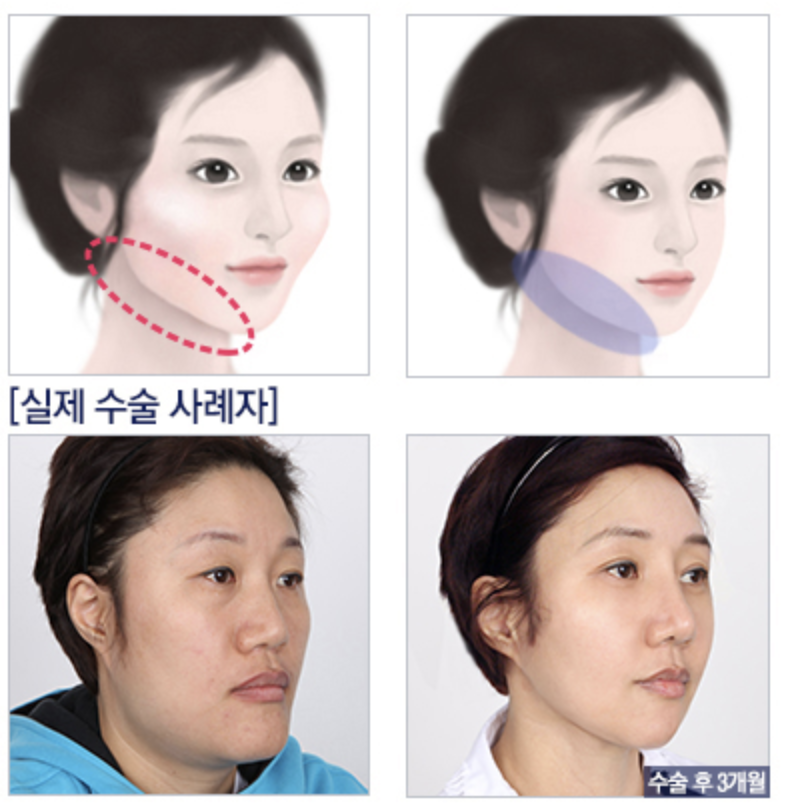
Facial Care: Follow doctor’s instructions for ice packs (first 48 hours), then warm compresses. Wear elastic face mask for swelling reduction.
Lifestyle: No smoking or alcohol for 1 month. Avoid vigorous exercise. No swimming or sauna for 2 months. Sleep with head elevated.
7. FAQ
Q1: Is double jaw surgery risky?
A: It is the most technically challenging facial bone surgery, but safety is very high with experienced teams. Korea performs a large volume annually with very mature technology. Thorough pre-operative examination and digital planning are key to ensuring safety.
Q2: Will there be facial numbness after surgery?
A: Temporary numbness of the lower lip and chin area may occur initially. JSRO technique greatly reduces this risk. Most patients’ sensation recovers within 3-6 months.
Q3: Must double jaw surgery be combined with orthodontics?
A: It depends on individual circumstances. Some patients need pre-surgical orthodontics, others may have surgery first then orthodontics, or may not need orthodontics at all.
Q4: How long should I stay in Korea?
A: At least 3-4 weeks recommended. Close observation and dressing changes needed for the first 2 weeks. Staying 4+ weeks is more ideal.
Q5: How long do results last?
A: Results are permanent. Once bones heal in their new position, they will not move back. Soft tissue aging is unrelated to the surgery.
Q6: What’s the difference between double jaw and orthognathic surgery?
A: Double jaw surgery is a type of orthognathic surgery that moves both the upper and lower jaws simultaneously. Orthognathic surgery sometimes only involves single jaw movement. Double jaw surgery provides more comprehensive results but is more challenging.
If you are considering double jaw surgery, please contact our professional consulting team for a free 3D facial analysis and personalized surgical plan evaluation.
Contact Us for a Free Consultation
Connect with our professional consultants for a personalized surgical plan and cost estimate


LINE

Mini Program