
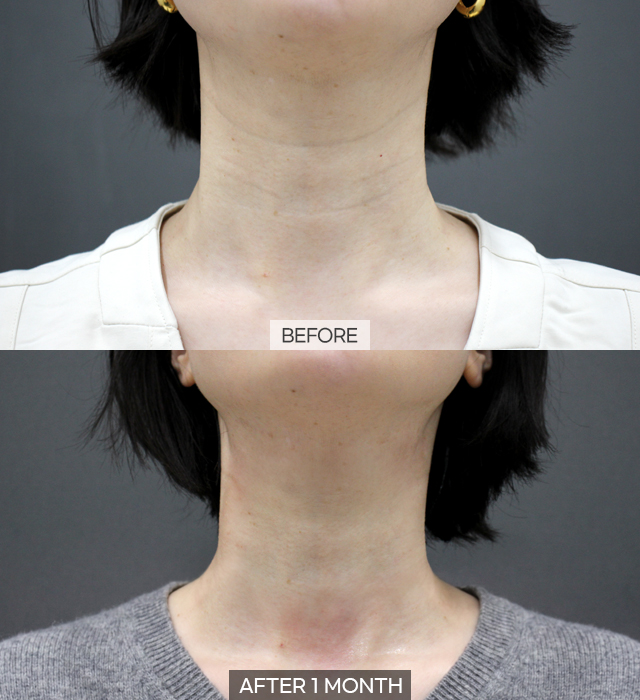
Your Neck Never Lies: Why Targeted Treatment by Wrinkle Type Matters
The neck is the most honest “betrayer” of age. While your face may look refreshed after skincare and procedures, neck wrinkles can instantly reveal the truth. Many people invest heavily in facial rejuvenation yet overlook the neck entirely, only to find that stubborn horizontal lines, vertical bands, or sagging skin beneath the chin undo all their efforts.
However, not all neck wrinkles are the same. Different types of neck wrinkles originate from different tissue layers and have entirely different causes, which means they require fundamentally different treatment strategies. A blanket approach simply does not work. The key to effective neck rejuvenation lies in accurate classification followed by a customized treatment plan. Korean aesthetic clinics are globally recognized for their precision in diagnosing and treating neck concerns by type, delivering natural and lasting results.
1. Why Classification Matters: Understanding the Three Layers of Neck Aging
Neck aging does not happen uniformly. It involves three distinct tissue layers, and each layer produces a different type of wrinkle or laxity:
- Skin Layer Problems: The outermost layer suffers from dehydration, UV damage, and collagen degradation. This leads to fine, crinkly lines across the neck surface, often described as “crepe paper” texture. These are superficial and respond well to hydration-based and collagen-stimulating treatments.
- Soft Tissue / Dermal Layer Problems: Deeper structural breakdown of collagen and elastin fibers creates entrenched static wrinkles, the horizontal creases that remain visible even when the neck is perfectly still. These require volumizing and tightening approaches that reach the deeper dermis and subdermis.
- Muscle Layer Problems: The platysma muscle, a thin sheet of muscle spanning the front of the neck, can separate along its midline or become hypertonic with age. This creates vertical bands, a “turkey neck” appearance, and contributes to jawline blurring. Muscle-level issues demand neurotoxin-based relaxation or surgical intervention.
Treating a deep static wrinkle with a surface hydration protocol will yield no results. Likewise, injecting filler into a platysma band issue misses the root cause. Classification is the foundation of effective treatment.
2. The Four Types of Neck Wrinkles: Causes, Identification, and Treatment Plans
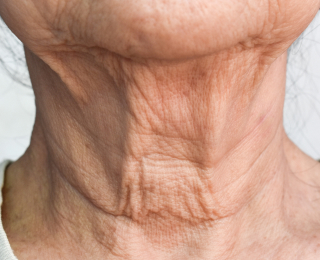
Type 1: Fine Lines (Superficial Texture Wrinkles)
Causes: Chronic dehydration of the neck skin, cumulative UV exposure without adequate sunscreen application to the neck, and the natural decline of collagen and elastin production that begins in the mid-20s. The neck skin is thinner than facial skin and has fewer sebaceous glands, making it especially vulnerable to moisture loss and photodamage.
Appearance: A network of fine, shallow lines across the neck surface, resembling crinkled tissue paper. These lines are most visible under direct lighting and tend to worsen throughout the day as the skin loses moisture. They may temporarily diminish after applying a rich moisturizer, which distinguishes them from deeper structural wrinkles.
Self-Test: Gently stretch the neck skin sideways with two fingers. If the fine lines disappear completely when the skin is taut, they are superficial texture wrinkles originating from the epidermis and superficial dermis. If they persist even when stretched, they have progressed to a deeper type.
Recommended Treatments:
- Rejuran (PDRN/PN Therapy): Salmon-derived polynucleotide injections that stimulate fibroblast activity and promote genuine skin regeneration from within. Particularly effective for thin, dehydrated neck skin because it improves skin quality at the cellular level rather than simply adding volume.
- Skin Booster (Hyaluronic Acid Microinjections): Ultra-fine hyaluronic acid is delivered in micro-droplets across the entire neck surface, creating a deep hydration reservoir within the dermis. This plumps fine lines from the inside and restores the skin’s natural glow and elasticity.
- Chemical Peel (Light to Medium Depth): Controlled exfoliation using glycolic acid or TCA at appropriate concentrations removes damaged surface cells and triggers collagen remodeling. For the neck, lighter concentrations and shorter application times are used compared to facial peels due to the thinner skin.
- Thermage FLX (Light Mode): Radiofrequency energy delivered in a gentle, superficial mode heats the upper dermis to stimulate collagen contraction and neocollagenesis. The light mode is ideal for fine lines because it tightens without aggressive deep heating, avoiding the risk of burns on delicate neck skin.
Treatment Cycle: For optimal results, a course of 3 to 4 sessions spaced 2 to 4 weeks apart is recommended. Maintenance sessions every 3 to 6 months help preserve the improvements. Consistent daily sunscreen application to the neck is essential to protect results.
Type 2: Deep Static Wrinkles (Horizontal Neck Creases)
Causes: Repeated flexion of the neck from habitual forward head posture, especially from prolonged smartphone and computer use. Over years, these repetitive folding motions cause structural breakdown of collagen and elastin fibers in the deeper dermis and subcutaneous tissue. Combined with gravitational effects and natural aging, the creases become permanently etched into the skin, visible even when the neck is in a neutral position.
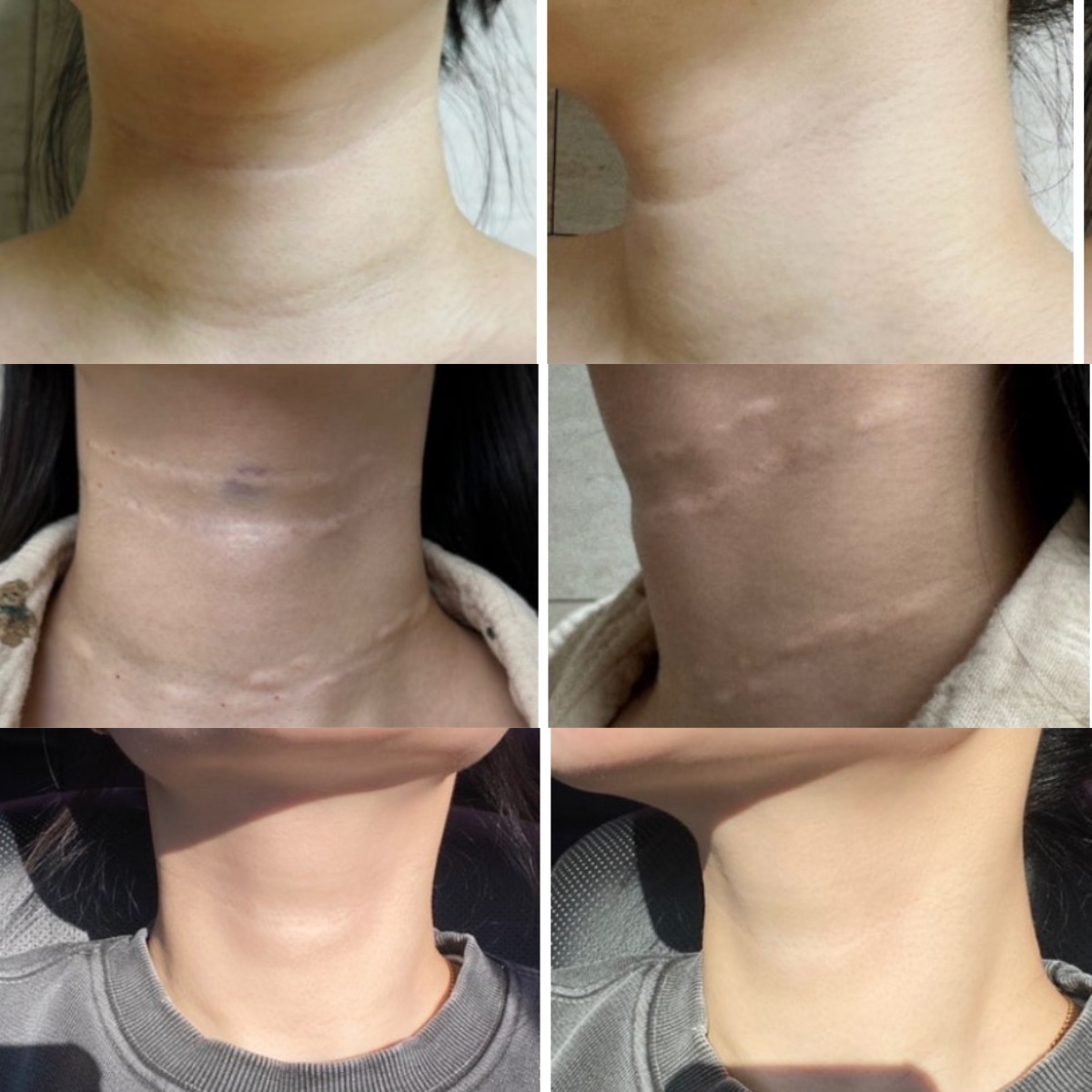
Appearance: One or more clearly defined horizontal lines that run across the neck, often described as “necklace lines.” Unlike fine surface wrinkles, these creases are visible at all times regardless of hydration level or lighting. They may appear as early as the late 20s in individuals with habitual forward head posture.
Self-Test: Look straight ahead in a mirror with your neck in a neutral, relaxed position. If horizontal lines are clearly visible without any neck movement or expression, these are static wrinkles. Press a finger across the crease; if you can feel a distinct groove or indentation, the wrinkle has structural depth.
Recommended Treatments:
- Hyaluronic Acid Filler (Fine Gauge): A soft, low-viscosity hyaluronic acid filler is carefully injected directly into the crease using a fine needle or cannula. This physically fills the groove from below, smoothing the surface. Cross-linked HA provides structural support that lasts 6 to 12 months. The key is using the right viscosity; overly thick fillers can create visible lumps in the thin neck skin.
- HIFU (High-Intensity Focused Ultrasound): Focused ultrasound energy targets the SMAS layer and deep dermis, creating thermal coagulation points that trigger intense collagen remodeling and tissue contraction. For neck creases, HIFU helps tighten the surrounding tissue to reduce the depth and visibility of the wrinkle over 2 to 3 months.
- Thread Lift with COG Threads: Barbed absorbable threads (PDO or PLLA material with COG bidirectional barbs) are inserted along the neck to provide immediate mechanical lifting and long-term collagen stimulation around the thread tracks. This addresses both the crease itself and any mild laxity contributing to the fold.
- Combination Approach (Recommended): Korean clinics often recommend a combination protocol for deep static wrinkles: HA filler to immediately fill the crease, followed by HIFU or Thermage to tighten the surrounding tissue, and optionally thread lift for structural support. This multi-modal approach addresses the wrinkle from multiple angles for the most natural and durable results.
Important Notes: Deep static wrinkles that have been present for many years may not be completely eliminated with non-surgical methods alone. The goal of treatment is significant improvement in depth and visibility, typically 50 to 80 percent reduction. Setting realistic expectations is essential. Multiple sessions may be needed, and maintenance treatments help prevent re-deepening.
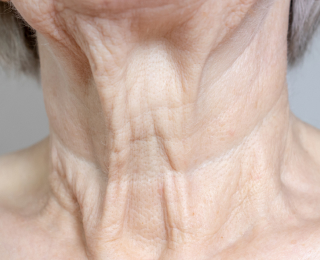
Type 3: Platysma Bands (Vertical Bands / Turkey Neck)
Causes: The platysma is a broad, thin muscle that covers the front of the neck from the collarbone to the jawline. In youth, the left and right halves of the platysma meet seamlessly at the midline. With aging, the muscle edges separate and become hypertonic, creating visible vertical cords or bands that run from the chin downward. Genetic predisposition, low body fat percentage, and significant weight loss can accelerate this process.
Appearance: Two prominent vertical bands or cords running down the center of the neck, most visible when clenching the jaw, grimacing, or speaking animatedly. In advanced cases, the bands are visible even at rest. The appearance is commonly described as “turkey neck” and can significantly age the overall look of the neck and jawline area.
Self-Test: Stand in front of a mirror and clench your teeth tightly while pulling down the corners of your mouth (as if making a grimace of disgust). If two taut vertical cords appear prominently in the center of your neck, you have platysma banding. The more visible the bands at rest (without clenching), the more advanced the condition.
Recommended Treatments:
- Botulinum Toxin Injection: Small doses of botulinum toxin are injected directly into the platysma bands at multiple points along each cord. This relaxes the hypertonic muscle fibers, causing the bands to soften and become less prominent. Results appear within 5 to 7 days and last 3 to 6 months. This is the first-line treatment for mild to moderate platysma bands.
- Nefertiti Lift: An advanced botulinum toxin injection technique where the toxin is placed along the jawline and into the platysma insertion points. This not only relaxes the bands but also creates a subtle lifting effect along the jawline by releasing the downward pull of the platysma. Named after the Egyptian queen famed for her elegant neck.
- Thread Repositioning: Specialized long threads are inserted to physically reposition and compress the separated platysma muscle edges. Combined with the collagen-stimulating effect of absorbable threads, this provides both immediate structural correction and long-term tissue reinforcement.
- Platysmaplasty (Surgical Option): For severe platysma banding that does not respond adequately to non-surgical treatments, platysmaplasty is a surgical procedure where the separated muscle edges are sutured back together at the midline. This is often performed through a small incision under the chin and can be combined with neck liposuction or a full neck lift for comprehensive rejuvenation.
Reminder: Platysma bands are a muscular issue, not a skin issue. Topical creams, hydration treatments, and surface-level procedures will have minimal to no effect on this type of neck concern. Accurate diagnosis is critical to avoid wasting time and money on inappropriate treatments.
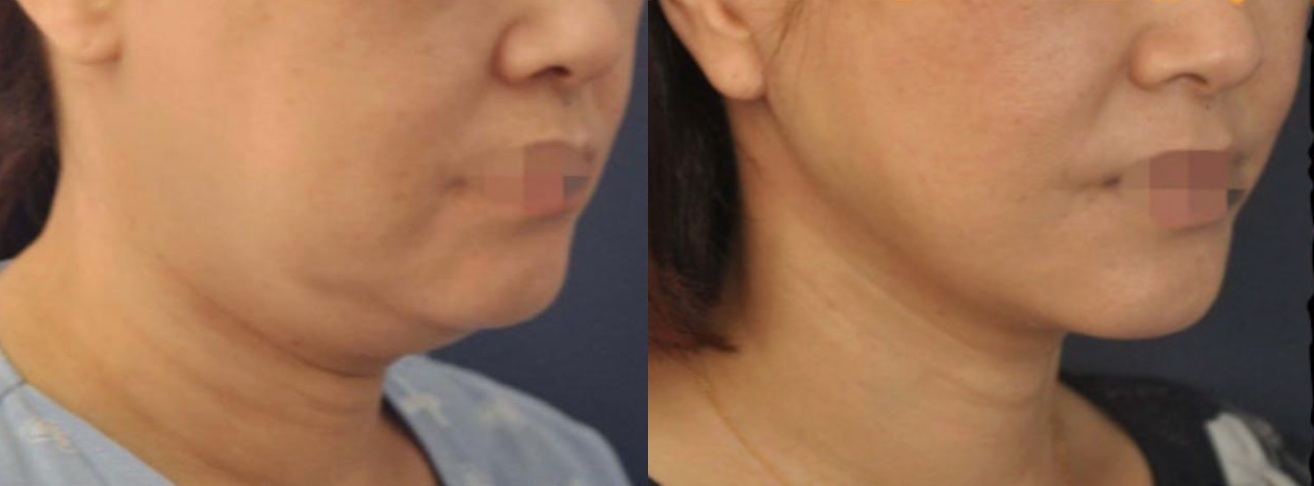
Type 4: Sagging Neck (Loss of Cervical-Mental Definition)
Causes: A combination of gravitational descent, loss of skin elasticity due to aging, reduction of subcutaneous fat and supporting structures, and significant weight fluctuations. The cervicomental angle (the angle between the chin and neck) becomes obtuse, and excess skin accumulates beneath the chin and along the jawline. Genetic factors strongly influence susceptibility, with some individuals developing neck sagging as early as their 30s.
Appearance: Loss of a clearly defined jawline and chin-to-neck transition. The skin appears loose and draped, with a “double chin” effect even in individuals who are not overweight. The neck may look shortened, and the profile view reveals a blunted cervicomental angle. In advanced cases, jowling along the jawline blends into the neck sagging.
Self-Test: Look at your profile in a mirror (or take a side-view photo). Draw an imaginary line from the point of your chin to the front of your neck. If this angle is significantly greater than 90 degrees, or if there is visible loose skin hanging below the jawline, you have neck sagging. Pinch the skin beneath your chin; if you can gather a substantial amount of loose skin, laxity is present.
Recommended Treatments:
- Thermage FLX + HIFU Golden Combination: The gold standard non-surgical protocol for neck sagging. Thermage radiofrequency heats the full thickness of the dermis for broad collagen contraction, while HIFU targets the deeper SMAS layer for structural tightening. Together, they address laxity at multiple tissue depths, providing progressive tightening over 3 to 6 months with results lasting 1 to 2 years.
- Thread Lift: PDO, PLLA, or PCL threads with barbs or cogs are inserted in a strategic pattern to physically lift and redrape the sagging neck tissue. Immediate lifting is visible, with continued improvement over 2 to 3 months as collagen forms around the threads. Best suited for mild to moderate sagging.
- Submental Liposuction: When excess submental fat contributes to the sagging appearance, targeted liposuction beneath the chin removes the fat deposits and improves the cervicomental angle. Often combined with energy-based tightening treatments for optimal contouring.
- Neck Lift Surgery (Lower Rhytidectomy): For severe sagging with significant skin excess, a surgical neck lift is the most definitive solution. The procedure removes excess skin, tightens the platysma muscle, and redefines the jawline and cervicomental angle. Results are dramatic and long-lasting (7 to 10 years). Korean surgeons are renowned for minimizing visible scarring through meticulous incision placement behind the ears and under the chin.
Key Insight: Mild to moderate neck sagging can be effectively managed with non-surgical combinations. However, once sagging reaches an advanced stage with significant skin redundancy, surgery becomes the only option that can deliver a meaningful transformation. Early intervention with energy-based devices can delay the need for surgery by years.
3. Comprehensive Comparison Table: All Four Types at a Glance
| Dimension | Type 1: Fine Lines | Type 2: Deep Static Wrinkles | Type 3: Platysma Bands | Type 4: Sagging Neck |
|---|---|---|---|---|
| Primary Cause | Dehydration, UV damage, collagen loss | Repetitive flexion, structural collagen breakdown | Platysma muscle separation and hypertonicity | Gravitational descent, elasticity loss, fat reduction |
| Tissue Layer | Epidermis and superficial dermis | Deep dermis and subcutaneous tissue | Muscle layer (platysma) | All layers including skin, fat, muscle, and SMAS |
| Appearance | Fine crinkly lines, crepe paper texture | Deep horizontal creases, necklace lines | Vertical bands or cords from chin to collarbone | Loose, draped skin, blurred jawline, double chin |
| Visibility | Worse under direct light, improves with moisture | Visible at all times regardless of conditions | Prominent when clenching or grimacing | Most noticeable in profile view |
| First-Line Treatment | Rejuran, Skin Booster | HA Filler + HIFU combination | Botulinum Toxin (Nefertiti Lift) | Thermage + HIFU combination |
| Surgical Option | Not applicable | Rarely needed | Platysmaplasty | Neck lift surgery |
| Treatment Duration | 20 to 40 minutes per session | 30 to 60 minutes per session | 15 to 30 minutes per session | 45 to 90 minutes (non-surgical); 2 to 4 hours (surgical) |
| Results Timeline | Immediate hydration glow; full results in 2 to 4 weeks | Filler is immediate; tightening develops over 2 to 3 months | Toxin effect in 5 to 7 days; full result at 2 weeks | Progressive over 3 to 6 months (non-surgical); immediate (surgical) |
4. Four-Step Home Self-Diagnosis Guide
Before visiting a clinic, you can perform a preliminary self-assessment at home to identify your neck wrinkle type. This helps you communicate more effectively with your physician and understand the recommended treatment plan.
Step 1: Visual Observation
Stand in front of a well-lit mirror in a relaxed, natural posture. Look at your neck straight-on and in profile. Note whether you see fine surface texture, horizontal creases, vertical bands, or overall sagging and looseness. Take photos for reference.
Step 2: The Stretch Test
Using two fingers, gently stretch the neck skin horizontally. Fine lines (Type 1) will disappear when stretched. Deep static wrinkles (Type 2) will remain visible even when the skin is pulled taut. This simple test distinguishes superficial from structural wrinkles.
Step 3: The Clench Test
Clench your teeth firmly and pull down the corners of your mouth. Observe the front of your neck. If two vertical cords or bands appear prominently, you have platysma banding (Type 3). Note how visible the bands are; if they show at rest without clenching, the condition is more advanced.
Step 4: The Pinch and Profile Test
Turn to the side and examine your cervicomental angle (chin-to-neck transition). If the angle is obtuse or if you can pinch and gather a significant amount of loose skin beneath the chin, you have neck sagging (Type 4). Combining Type 4 with any of the other types is common in patients over 40.
Note: Many patients present with a combination of two or more types simultaneously. This is normal, especially with advancing age. A comprehensive treatment plan will address each type with the appropriate modality.
5. Treatment Decision Tree: Choosing the Right Approach
Follow this decision flowchart to determine the most appropriate treatment pathway for your neck concern:
Start: Do you see visible neck wrinkles or laxity?
- Yes → Proceed to next question
- No → Focus on prevention (see Section 8: Prevention Habits)
Question 1: Do the lines disappear when you stretch the skin?
- Yes → Type 1: Fine Lines. Start with Rejuran or Skin Booster treatments.
- No → Proceed to next question
Question 2: Are the wrinkles horizontal creases or vertical bands?
- Horizontal creases → Type 2: Deep Static Wrinkles. Consider HA filler combined with HIFU or thread lift.
- Vertical bands → Type 3: Platysma Bands. Start with botulinum toxin (Nefertiti Lift technique).
Question 3: Is there significant overall looseness, sagging skin, or loss of jawline definition?
- Mild to moderate → Type 4 (Non-Surgical): Thermage + HIFU combination, thread lift
- Severe with significant skin excess → Type 4 (Surgical): Consult for neck lift surgery
Multiple types present? → A combination treatment plan is recommended. Consult with a specialist for a customized multi-modal protocol.
6. How Korean Clinics Diagnose Neck Wrinkles: The Professional Assessment
Korean aesthetic clinics employ a systematic, multi-step diagnostic process to accurately classify neck wrinkles before developing a treatment plan. This thorough approach is a key reason for the consistently high satisfaction rates with neck treatments performed in Korea.
- Visual Assessment: The physician examines the neck under standardized lighting conditions from multiple angles (front, both sides, and below). High-resolution clinical photographs are taken for documentation and comparison. The physician identifies the presence and severity of each wrinkle type and notes the overall skin quality, texture, and tone.
- Palpation Examination: The physician manually feels the neck tissues to assess skin thickness, the depth of wrinkles and creases, the tone and position of the platysma muscle, and the presence and distribution of subcutaneous fat. Palpation provides critical information about tissue quality that visual inspection alone cannot reveal.
- Skin Elasticity Test: Using either manual pinch testing or a dedicated elasticity measurement device (such as a Cutometer), the physician quantifies the skin’s ability to snap back after being stretched. This objectively measures collagen and elastin integrity, helping determine whether the skin can respond to tightening treatments or if surgical intervention is needed.
- Ultrasound Imaging: Advanced clinics use high-frequency ultrasound to visualize the different tissue layers of the neck in real time. This reveals the exact thickness of the dermis, the condition of the subcutaneous fat layer, the position and thickness of the platysma muscle, and the depth of the SMAS layer. Ultrasound imaging allows for precise treatment planning, including determining optimal injection depths and energy device settings.
This four-step diagnostic protocol ensures that the treatment plan is tailored to the individual patient’s specific anatomy and wrinkle profile, maximizing efficacy and minimizing the risk of suboptimal results.
7. Post-Treatment Recovery Guide: What to Expect
Understanding the recovery process for each treatment helps you plan your schedule and set appropriate expectations. The following table summarizes the typical recovery experience for the six most common neck wrinkle treatments.
| Treatment | Common Reactions | Recovery Period | Key Precautions |
|---|---|---|---|
| Rejuran / Skin Booster | Tiny injection marks, mild redness, slight swelling | 1 to 3 days for injection marks to fade; full results in 2 to 4 weeks | Avoid direct sun exposure for 1 week; no sauna or hot yoga for 48 hours; apply sunscreen diligently |
| HA Filler Injection | Mild bruising possible at injection sites, slight swelling, tenderness | Bruising resolves in 3 to 7 days; swelling subsides in 2 to 5 days | Avoid massaging or pressing the treated area for 2 weeks; sleep face-up; avoid extreme heat for 1 week |
| Botulinum Toxin | Minimal; tiny injection marks, rare mild bruising | Negligible downtime; injection marks fade within hours | Do not lie down for 4 hours post-treatment; avoid strenuous neck exercise for 24 hours; results appear in 5 to 7 days |
| HIFU | Mild tingling, slight redness, minor tenderness, possible temporary numbness | Redness resolves within hours to 1 day; tenderness may last 1 to 2 weeks | Avoid extreme temperatures for 1 week; use gentle skincare; results develop progressively over 2 to 3 months |
| Thread Lift | Swelling, mild bruising, pulling sensation, slight dimpling possible | Major swelling subsides in 5 to 7 days; full settling in 2 to 4 weeks | Avoid wide mouth opening and excessive neck movement for 2 to 3 weeks; sleep elevated; no facial massage for 1 month |
| Neck Lift Surgery | Significant swelling and bruising, tightness, numbness, drain tubes for 1 to 2 days | Major recovery in 2 to 3 weeks; final results visible at 3 to 6 months | Wear compression garment as directed for 4 to 6 weeks; avoid strenuous activity for 4 to 6 weeks; attend all follow-up appointments |
8. Prevention Habits: Five Daily Practices to Protect Your Neck
Prevention is always more cost-effective and comfortable than treatment. Incorporating these five habits into your daily routine can significantly slow the development of neck wrinkles and maintain your treatment results.
- Apply Sunscreen to Your Neck Every Day: UV exposure is the single greatest accelerator of neck skin aging. Apply a broad-spectrum SPF 50 sunscreen to the entire neck and decolletage every morning, and reapply every 2 hours during outdoor exposure. This one habit alone can prevent the majority of fine lines caused by photodamage.
- Correct Your Posture and Screen Habits: Chronic forward head posture from looking down at phones and laptops creates repetitive neck flexion that accelerates horizontal crease formation. Hold your phone at eye level. Position your computer monitor so the top of the screen is at eye level. Take regular breaks to stretch your neck. Consider a desk stand or laptop riser.
- Extend Your Skincare Routine to Your Neck: Every product you apply to your face should be applied to your neck as well: cleanser, serum, moisturizer, and sunscreen. The neck skin benefits from the same active ingredients (retinol, vitamin C, hyaluronic acid, peptides) that keep facial skin youthful. Apply products with gentle upward strokes.
- Sleep on Your Back with Proper Pillow Support: Side sleeping and stomach sleeping create compression wrinkles on the neck that, over years, can become permanent. Training yourself to sleep on your back eliminates this mechanical wrinkling. Use a supportive pillow that maintains a neutral neck position without excessive flexion.
- Maintain Stable Weight and Stay Hydrated: Significant weight fluctuations stretch and contract the neck skin, eventually depleting its elastic reserve and leading to sagging. Maintain a stable, healthy weight. Drink adequate water daily (1.5 to 2 liters) to support skin hydration from within, and limit excessive alcohol and caffeine consumption which dehydrate the skin.
9. Frequently Asked Questions
Q1: At what age should I start treating neck wrinkles?
There is no single “right” age to begin. The need for treatment depends on the severity of the wrinkles rather than chronological age alone. That said, preventive treatments such as Rejuran and skin boosters can be beneficial starting in the late 20s to early 30s, when the first signs of fine lines typically appear. For deep static wrinkles and platysma bands, treatment timing depends on when they become bothersome. Early intervention generally produces better outcomes and can delay or prevent the need for more invasive procedures later.
Q2: Are neck wrinkle treatments painful?
Pain levels vary by treatment type, but most modern neck wrinkle procedures involve minimal discomfort. Topical numbing cream is applied before injection-based treatments (Rejuran, fillers, botulinum toxin) to significantly reduce sensation. HIFU and Thermage may produce a warm or prickly feeling during treatment, but most patients find it tolerable. Thread lifts are performed under local anesthesia. Surgical procedures use either general anesthesia or deep sedation. Post-procedure discomfort is generally mild and manageable with over-the-counter pain medication.
Q3: How long do results from non-surgical neck treatments last?
Longevity varies by treatment. Skin boosters and Rejuran typically last 3 to 6 months before a maintenance session is needed. HA fillers last 6 to 12 months in the neck. Botulinum toxin effects last 3 to 6 months. HIFU and Thermage results develop over 3 to 6 months and can last 1 to 2 years. Thread lifts provide results lasting 1 to 2 years. Combining treatments and maintaining a consistent skincare and prevention routine can extend the duration of results. Regular maintenance sessions are recommended to sustain improvements long-term.
Q4: Can I treat multiple neck wrinkle types at the same time?
Yes, and in fact, combination treatment is the standard approach in Korean clinics for patients presenting with multiple neck wrinkle types simultaneously. A typical combination protocol might include botulinum toxin for platysma bands, HA filler for a deep horizontal crease, and Rejuran for overall skin quality improvement, all performed in a single session or staged across two sessions spaced 2 to 4 weeks apart. Your physician will design the optimal treatment sequence based on your specific combination of concerns.
Q5: What is the difference between treating neck wrinkles in Korea versus other countries?
Korean aesthetic medicine is distinguished by several factors in neck wrinkle treatment. First, the emphasis on precise classification before treatment ensures each wrinkle type receives the appropriate modality. Second, Korean clinics have extensive experience with combination protocols, often using 2 to 3 complementary treatments for synergistic results. Third, many advanced products and devices (such as specific Rejuran formulations and latest-generation HIFU devices) are available earlier in Korea. Fourth, the competitive market drives continuous innovation and high standards of care. Finally, Korean physicians tend to prioritize natural-looking results that harmonize the neck with the face, rather than treating the neck in isolation.
Q6: Are there any risks or side effects I should be aware of?
All medical procedures carry some degree of risk. For non-surgical neck treatments, the most common side effects are temporary and minor: redness, mild swelling, bruising at injection sites, and tenderness. Rare but possible complications include infection, allergic reaction, asymmetry, nodule formation (with fillers), and temporary numbness. Thread lifts carry a small risk of thread migration, dimpling, or visible threads under thin neck skin. Surgical procedures have higher risk profiles including scarring, nerve injury, hematoma, and prolonged numbness. Choosing an experienced, board-certified physician and following all pre- and post-care instructions significantly minimizes these risks.
Q7: Can neck wrinkles be completely eliminated?
This depends on the type and severity. Fine lines (Type 1) can often be virtually eliminated with proper treatment and maintenance. Deep static wrinkles (Type 2) can typically be improved by 50 to 80 percent but may not disappear entirely, especially if they have been present for many years. Platysma bands (Type 3) respond very well to botulinum toxin, with significant smoothing achievable. Severe sagging (Type 4) can be dramatically improved with surgery. Setting realistic expectations is important: the goal is significant, natural-looking improvement rather than perfection. With the right treatment plan, most patients achieve results that make them feel confident and satisfied with their neck appearance.
Q8: How should I choose between non-surgical and surgical options?
The decision depends on the severity of your concern, your tolerance for downtime, your budget, and your desired outcome. Non-surgical treatments are ideal for mild to moderate concerns, offer minimal downtime, are more affordable per session (though may require maintenance), and carry lower risks. They are excellent as preventive measures and for maintaining surgical results. Surgical options are appropriate for severe laxity and sagging that non-surgical methods cannot adequately address, providing dramatic, long-lasting results but requiring significant recovery time and higher upfront cost. Many Korean physicians recommend trying non-surgical approaches first and considering surgery only if those methods do not achieve satisfactory improvement. A transparent consultation with an experienced physician who offers both options is the best way to determine the right approach for your individual case.
Ready to Address Your Neck Wrinkles? Get Expert Guidance
Every neck is unique, and the best treatment plan starts with an accurate assessment of your specific wrinkle type. Our team connects you with experienced Korean aesthetic specialists who will analyze your neck concerns, recommend a personalized treatment protocol, and guide you through every step of the process. Reach out today for a free consultation.

LINE

Mini Program