
In Korean aesthetic medicine, “right angle shoulders” (직각어깨) have become the gold standard of upper-body beauty. Unlike the Western preference for broad, athletic shoulders, Korean beauty ideals emphasize a sharp, clean 90-degree angle where the neck meets the shoulder line — evoking the elegant silhouette of a swan’s neck. Achieving this coveted look requires more than a single procedure; it demands a dual approach system: reducing the overdeveloped trapezius muscle with botulinum toxin while simultaneously augmenting the shoulder contour with dermal filler. This combination reshapes the entire neck-shoulder geometry, creating a longer, leaner neckline and dramatically sculpted shoulder profile.
This comprehensive guide explores the science, technique, and artistry behind trapezius botox and shoulder filler — two procedures that, when combined, deliver the transformative “swan neck” silhouette that has captivated beauty seekers across Asia and beyond.
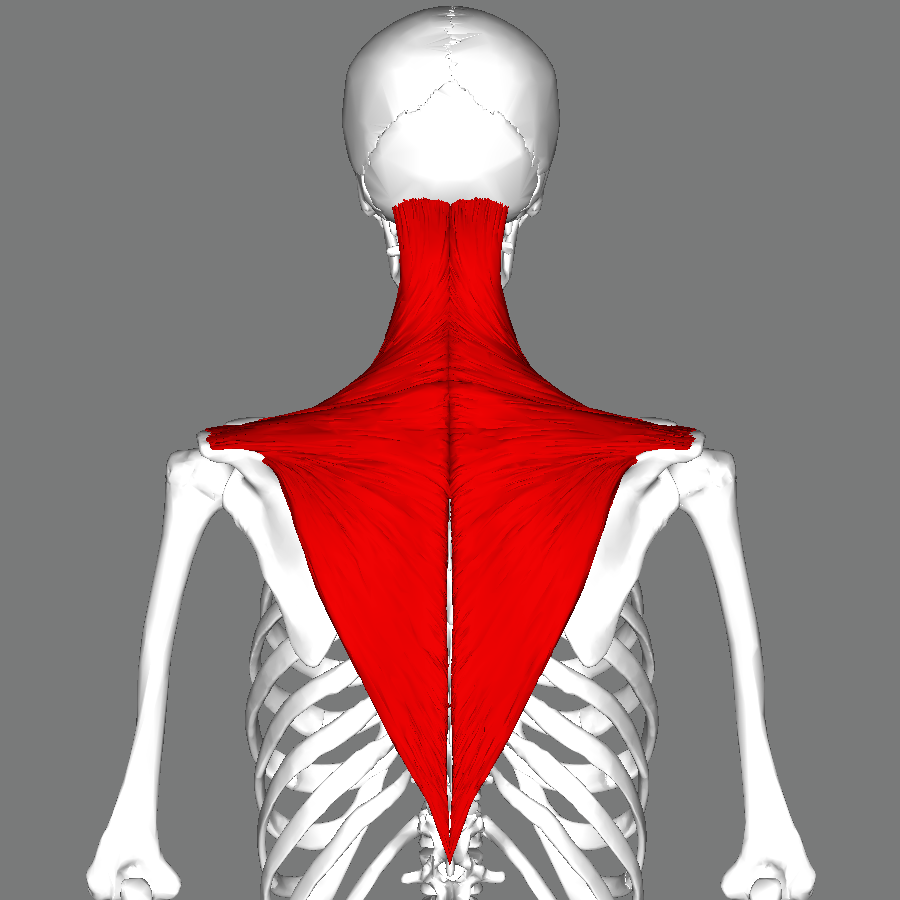
Section 1: Why the Trapezius Affects Your Neck-Shoulder Line
The trapezius is a large, diamond-shaped muscle that spans from the base of the skull down to the mid-back and out to the shoulder blades. Its upper portion — the part most visible from the front — directly determines the slope and contour of the neck-shoulder transition. When the upper trapezius becomes overdeveloped through compensatory hypertrophy, it fundamentally alters your silhouette.
Compensatory hypertrophy of the trapezius commonly occurs due to chronic stress and tension, habitual poor posture, repetitive overhead movements, and unconscious shoulder elevation during daily activities. Over time, the muscle thickens and raises the shoulder line, producing a series of unflattering visual effects.
4 Visual Effects of Trapezius Hypertrophy
- Shortened neck appearance — The bulging muscle mass fills in the space between ear and shoulder, making the neck look shorter than it actually is.
- Sloped shoulder line — Instead of a clean horizontal line, the shoulders appear to droop downward from the neck, creating a “coat hanger” silhouette.
- Widened upper body — The hypertrophied muscle adds visual width at the base of the neck, making the entire upper frame appear broader and heavier.
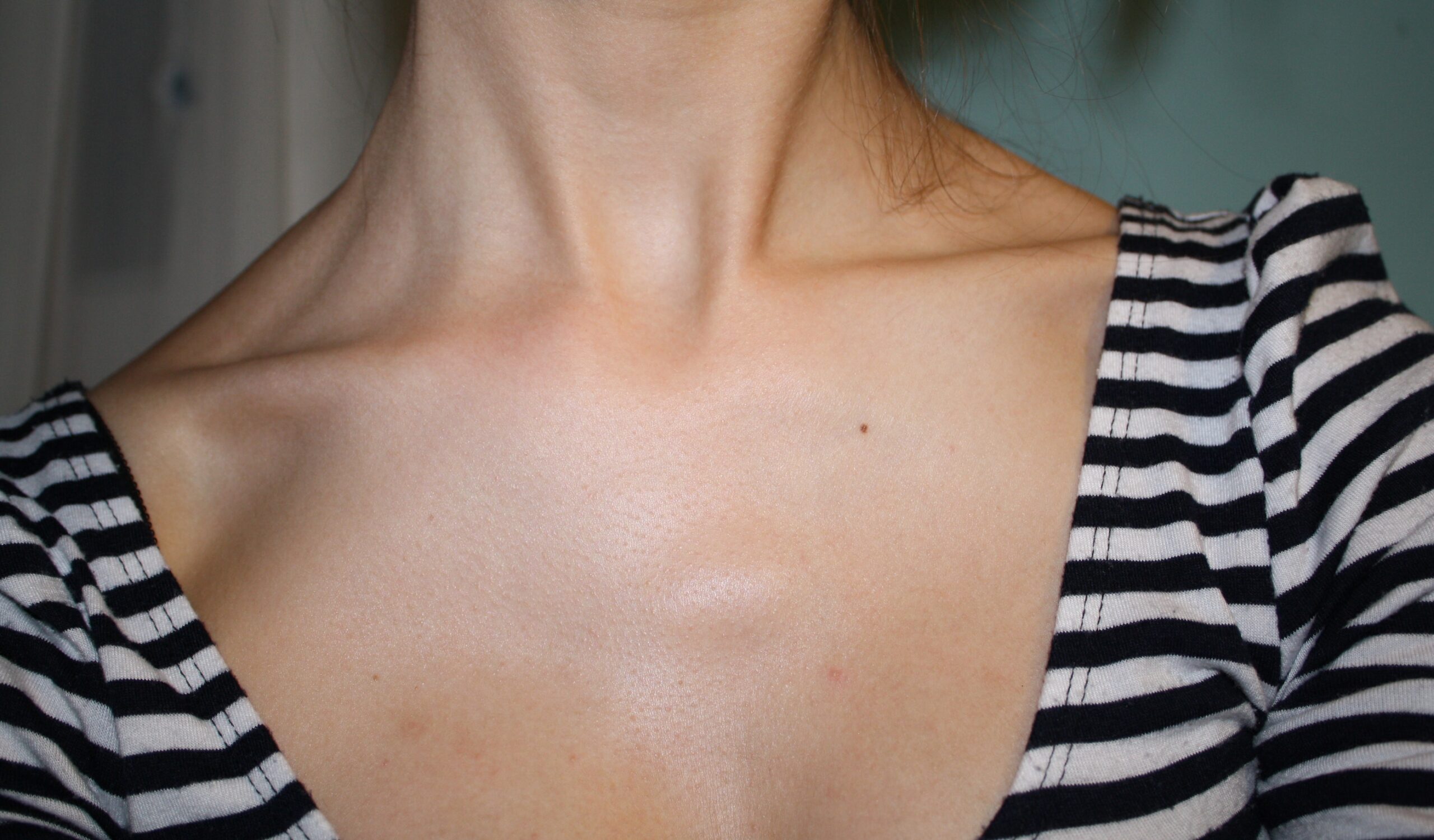
- Loss of collarbone definition — The overdeveloped trapezius overshadows the clavicle, obscuring one of the most elegant structural features of the upper body.
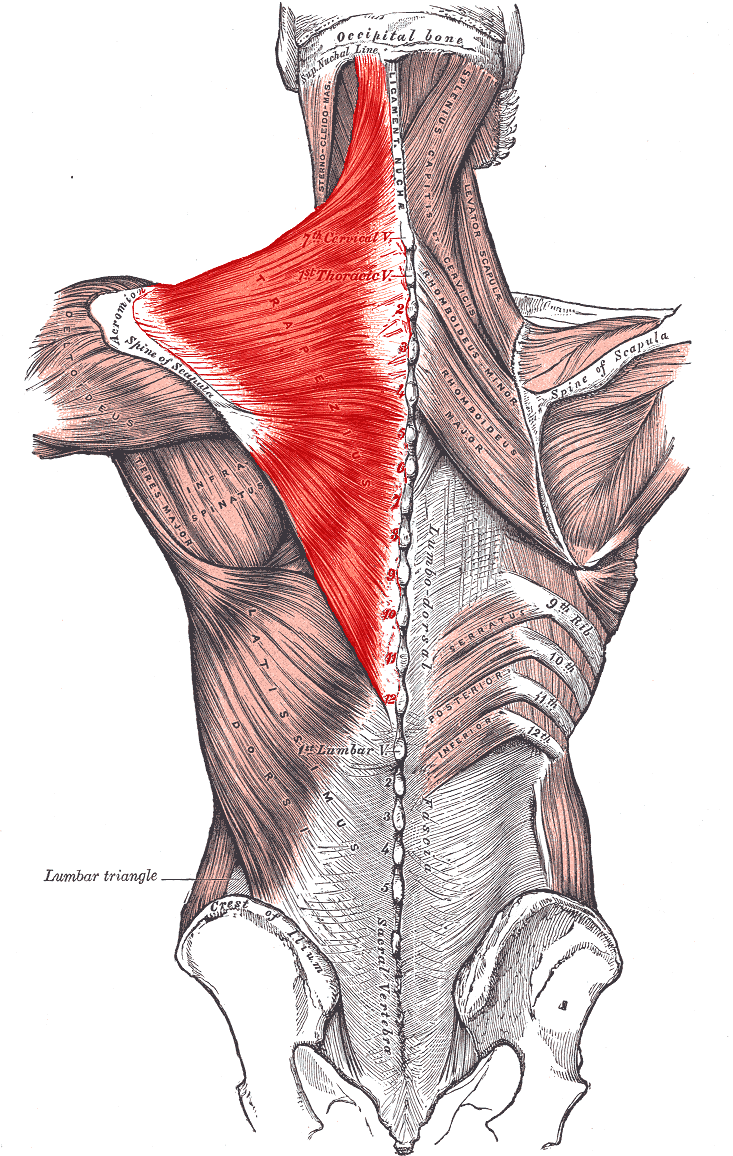
Section 2: Trapezius Botox — Mechanism, Protocol, and Recovery
How It Works
Trapezius botox works through a two-stage mechanism. First, botulinum toxin blocks the release of acetylcholine at the neuromuscular junction, preventing nerve signals from reaching the muscle fibers. The muscle can no longer contract with full force. Second, over the following weeks, the denervated muscle fibers undergo neurogenic atrophy — they gradually shrink in volume due to disuse. This controlled atrophy is what produces the visible slimming effect, as the once-bulky trapezius loses mass and the neck-shoulder line becomes sleeker and more defined.
Injection Protocol
- Target area: Upper trapezius muscle belly, avoiding the deeper levator scapulae and the spinal accessory nerve pathway
- Injection points: 6–10 points per side, distributed evenly across the upper trapezius to ensure uniform atrophy
- Dosage: 50–100 units per side, adjusted based on muscle mass, gender, and desired outcome
- Injection depth: Intramuscular injection into the thickest portion of the muscle belly, confirmed by palpation during shoulder shrugging
- Patient position: Seated upright with arms relaxed at sides, allowing accurate assessment of muscle bulk and symmetry
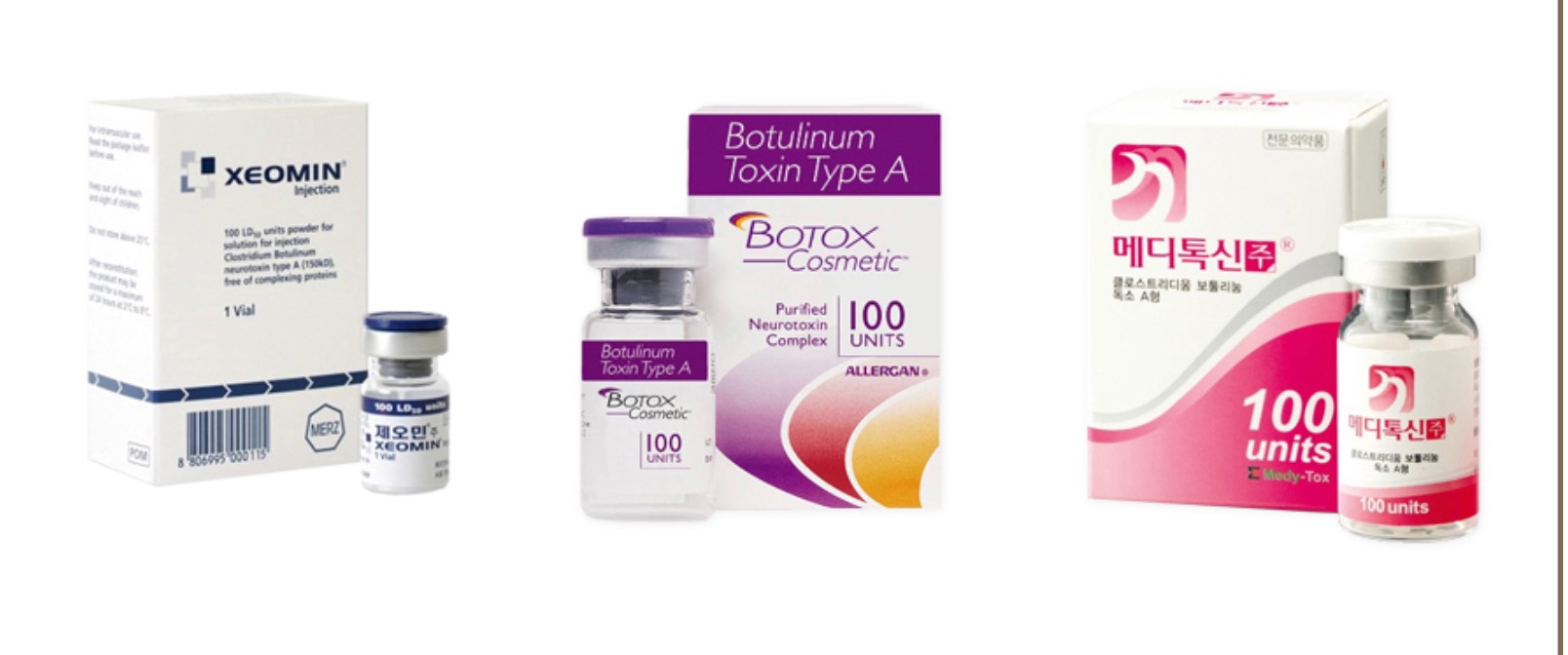
Popular botulinum toxin products used in Korea include Korean-manufactured brands such as Nabota, Botulax, and Meditoxin, as well as the German product Xeomin and the American product Botox. Korean brands offer excellent efficacy at competitive pricing, while imported products may be preferred by patients seeking specific brand familiarity.
Treatment Timeline
| Timeframe | What to Expect |
|---|---|
| Week 1–2 | Muscle relaxation begins; reduced tension and shoulder elevation; minimal visible change |
| Week 3–4 | Noticeable slimming of the trapezius area; neck appears longer; shoulder line begins to flatten |
| Month 2–3 | Peak effect achieved; maximum muscle atrophy and most dramatic visual improvement |
| Month 4–6 | Gradual return of muscle activity; repeat treatment recommended to maintain results |
Possible Side Effects
- Temporary soreness at injection sites, typically resolving within 24–48 hours
- Mild shoulder weakness when performing overhead lifting or heavy carrying, usually transient
- Asymmetry if injection distribution or dosage is uneven between sides, correctable with touch-up
- Bruising or swelling at injection points, generally mild and self-limiting
Section 3: Shoulder Filler — The Secret Weapon for Right-Angle Shoulders
While trapezius botox reduces the muscle bulk that slopes the shoulder line, it cannot build structure where none exists. This is where shoulder filler enters as the secret weapon — adding volume and projection to the bony shoulder tip to create the coveted right-angle contour. Together with botox, filler transforms a sloped, rounded shoulder into a sharp, architectural line.
3 Target Areas for Shoulder Filler
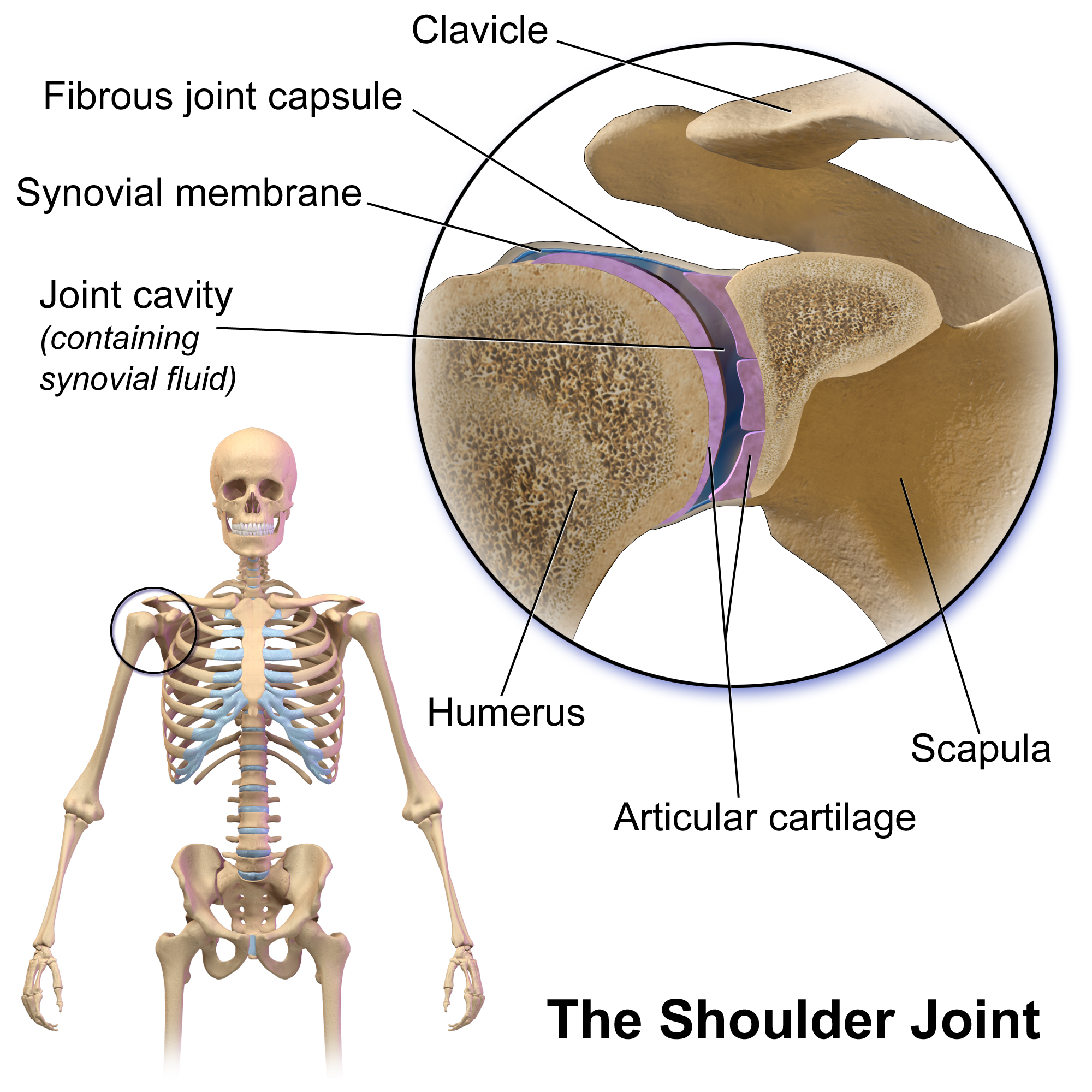
- Acromion prominence — The bony tip of the shoulder; adding volume here creates the sharp “corner” that defines the right angle
- Lateral deltoid cap — The outer curve of the shoulder; subtle augmentation here enhances the horizontal shoulder line
- Posterior shoulder transition — The area where the shoulder meets the upper arm from behind; filling this zone creates a smoother, more sculpted three-dimensional contour
Injection Technique — 5 Key Points
- Cannula preference: Blunt-tip cannulas are preferred over sharp needles to minimize bruising, reduce the risk of vascular injury, and allow smooth, even distribution of filler across the treatment area
- Layered placement: Filler is deposited in multiple layers — deep periosteal, mid-level submuscular, and superficial subcutaneous — to build natural-looking volume
- Seated position: Patients are treated in an upright seated position to allow gravity-accurate assessment of shoulder symmetry and contour during injection
- Dosage: Female patients typically require 10–20 mL of filler per side; male patients require 20–40 mL per side due to larger skeletal frames and broader shoulder anatomy
- Product selection: High-viscosity, cross-linked hyaluronic acid fillers with strong structural support are preferred for this area, as they must maintain shape under the mechanical stress of arm movement
Gender Differences
Treatment goals differ significantly between male and female patients. For women, the objective is to create a delicate, narrow right-angle shoulder that emphasizes a long swan neck. Lower filler volumes and more refined contouring are used. For men, the goal is typically to broaden and square the shoulder silhouette, projecting strength and structure. Higher volumes and more aggressive augmentation of the deltoid cap are employed. The treating physician must understand these gender-specific aesthetic goals to deliver natural, harmonious results.
Section 4: The Visual Logic of the Swan Neck
The “swan neck” is not simply a long neck — it is an optical illusion created by the geometry of the surrounding structures. The perceived length and elegance of the neck depends on the angle at which the shoulder line meets the vertical neck axis. When the trapezius creates a gradual slope, the eye follows a diagonal line that shortens the perceived neck. When that slope is replaced by a sharp horizontal line meeting the neck at 90 degrees, the vertical dimension is visually amplified.
4 Combined Effects of Botox + Filler
- Vertical elongation: Reducing trapezius bulk lowers the visual “starting point” of the shoulder, making the neck appear 2–3 cm longer
- Horizontal definition: Shoulder filler creates a crisp horizontal line that contrasts sharply with the vertical neck, enhancing the right-angle geometry
- Collarbone revelation: As the trapezius shrinks, the clavicle becomes more prominent, adding an additional line of structural beauty
- Frame proportion: The overall effect narrows the upper frame while squaring the shoulders, creating an inverted-triangle silhouette that is universally flattering
Section 5: Ideal Candidates and Contraindications
Ideal Candidates
- Individuals with visibly hypertrophied upper trapezius muscles causing a sloped shoulder appearance
- Those who feel their neck appears short or thick due to elevated shoulder lines
- Patients desiring the “right angle shoulder” aesthetic popular in Korean beauty standards
- People who experience chronic neck and shoulder tension related to trapezius overactivity
- Those with naturally flat or narrow shoulder tips who want enhanced shoulder projection
- Anyone seeking a non-surgical solution for improving their upper body proportions and silhouette
Contraindications
- Pregnancy or breastfeeding
- Known allergy to botulinum toxin or hyaluronic acid
- Neuromuscular disorders such as myasthenia gravis or Lambert-Eaton syndrome
- Active infection or inflammation at the planned injection sites
- Use of aminoglycoside antibiotics or other drugs that interfere with neuromuscular transmission
- Unrealistic expectations or body dysmorphic concerns that should be addressed through counseling
Section 6: Treatment Process — 8 Steps
- Consultation and assessment: The physician evaluates your trapezius muscle mass, shoulder bone structure, skin thickness, and overall body proportions to design a personalized treatment plan
- Photography and measurement: Standardized before-photos are taken from multiple angles; shoulder width, neck length, and trapezius bulk are measured for precise planning
- Marking and mapping: Injection points are marked on the skin while the patient shrugs to identify the thickest portions of the trapezius and the optimal filler placement zones
- Topical anesthesia: A numbing cream is applied to the treatment areas and allowed to take effect for 20–30 minutes to ensure patient comfort
- Botox injection: Botulinum toxin is injected into the mapped trapezius points using fine needles; the procedure takes approximately 10–15 minutes
- Filler injection: Hyaluronic acid filler is injected into the shoulder contour points using a blunt cannula; molding and shaping are performed during injection to achieve symmetry
- Symmetry check and adjustment: The patient is asked to stand and move naturally while the physician assesses symmetry from all angles, making any necessary touch-up injections
- Post-treatment care instructions: Aftercare guidelines are provided, including avoiding strenuous upper-body exercise for 2 weeks, not massaging the treated areas, and scheduling a follow-up appointment
Section 7: Duration of Results and Cost
How Long Do Results Last?
Trapezius botox results typically last 4–6 months before the muscle gradually regains its original activity and volume. With repeated treatments every 4–6 months, the muscle undergoes progressive atrophy, and many patients find that they can extend the interval between sessions over time. Shoulder filler results last 12–18 months or longer, depending on the product used and individual metabolism. Some high-density fillers can maintain their structure for up to 2 years in this low-movement area.
Cost Guide
| Treatment | Price Range (KRW) | Approximate USD |
|---|---|---|
| Trapezius Botox (Korean brand, both sides) | 200,000 – 400,000 KRW | $150 – $300 |
| Trapezius Botox (Xeomin/Botox, both sides) | 400,000 – 800,000 KRW | $300 – $600 |
| Shoulder Filler (both sides, female) | 1,500,000 – 3,000,000 KRW | $1,100 – $2,200 |
| Shoulder Filler (both sides, male) | 2,500,000 – 5,000,000 KRW | $1,850 – $3,700 |
| Combined Botox + Filler Package | 1,800,000 – 4,500,000 KRW | $1,350 – $3,350 |
Note: Prices are approximate and vary depending on the clinic, physician experience, product brand, and dosage required. Consultation is recommended for an accurate quote.
Section 8: BeautsGo — Your Medical Aesthetics Concierge in Korea
BeautsGo provides comprehensive support for international patients seeking medical aesthetic treatments in Korea. Our services are designed to make your entire journey seamless, from initial consultation to post-treatment recovery.
Our Services Include:
- Visa assistance: Guidance on obtaining the appropriate medical tourism visa for your country of origin, including invitation letter support
- Professional translation: Bilingual medical coordinators accompany you to all consultations and procedures, ensuring clear communication with your physician
- Airport transfer and transportation: Private vehicle pickup from Incheon International Airport and transportation to all medical appointments throughout your stay
- Accommodation arrangement: Curated selection of recovery-friendly hotels and serviced apartments near your treatment location, with options for every budget
Contact Us
Reach out to our team through any of the following channels for a free consultation:
- WeChat: BeautsGo
- LINE: BeautsGo
- Mini Program: Search “BeautsGo” on WeChat Mini Programs
Frequently Asked Questions
Q1: How long does trapezius botox take to show results?
Initial muscle relaxation begins within 1–2 weeks, with noticeable visual slimming appearing at 3–4 weeks. Peak results are achieved at 2–3 months when maximum muscle atrophy has occurred.
Q2: Is shoulder filler painful?
Topical numbing cream is applied before the procedure, and most fillers contain lidocaine for additional comfort. Most patients report only mild pressure during injection. The use of blunt cannulas further reduces discomfort compared to sharp needles.
Q3: Can I exercise after trapezius botox?
Light lower-body exercise can be resumed after 24 hours. However, strenuous upper-body workouts, heavy lifting, and overhead exercises should be avoided for at least 2 weeks to prevent the toxin from spreading to unintended muscles.
Q4: What is the difference between Korean and imported botulinum toxin brands?
Korean brands such as Nabota, Botulax, and Meditoxin are manufactured domestically and offer excellent efficacy at lower cost. German Xeomin is a purified toxin without complexing proteins, potentially reducing antibody formation. American Botox is the most established brand globally. All are effective for trapezius treatment; the choice depends on budget and personal preference.
Q5: How many sessions are needed for optimal results?
For trapezius botox, 2–3 sessions spaced 4–6 months apart are typically recommended for optimal and sustained muscle reduction. Shoulder filler usually requires just one session, with a possible touch-up at 2–4 weeks. Over time, botox intervals can often be extended as the muscle becomes progressively smaller.
Q6: Will trapezius botox affect my shoulder strength?
There may be mild, temporary reduction in shoulder shrugging strength during the first few weeks. However, the trapezius is only one of several muscles controlling shoulder movement, so overall shoulder function remains intact for daily activities. Competitive athletes or those who rely heavily on trapezius strength should discuss their activity level with their physician.
Q7: Is the shoulder filler reversible?
Yes, if hyaluronic acid filler is used, it can be dissolved with hyaluronidase enzyme injections at any time. This provides an important safety net — if you are dissatisfied with the results or experience any complications, the filler can be fully reversed.
Q8: Can men get trapezius botox and shoulder filler?
Absolutely. While the aesthetic goals differ — men typically seek broader, more squared shoulders rather than the narrow swan-neck look — the techniques are equally applicable. Male patients generally require higher botox dosages for the larger trapezius and greater filler volumes (20–40 mL per side) for the wider shoulder frame.
Connect With Us



Disclaimer: This article is for informational purposes only and does not constitute medical advice. Individual results may vary. All medical aesthetic procedures carry inherent risks and should only be performed by qualified, licensed physicians. Please consult with a board-certified medical professional before undergoing any treatment. BeautsGo serves as a medical tourism concierge and does not directly provide medical treatments.