
In Korea, the ideal shoulder silhouette is defined by clean, right-angle shoulders that create a long, elegant swan neck. This coveted look is not about bone structure alone — it is achieved through a precise dual-system approach: reduction (trapezius botulinum toxin to slim the overactive muscle) combined with augmentation (hyaluronic acid filler to sculpt the shoulder line). Together, these two steps transform a sloped, bulky shoulder into a sharp, defined contour that frames the neck beautifully.
This guide explains the anatomy behind the procedure, the clinical protocols used by leading practitioners in Korea, expected timelines and costs, and how BeautsGo can help you access this treatment seamlessly.
1. Why the Trapezius Affects Your Neck-Shoulder Contour
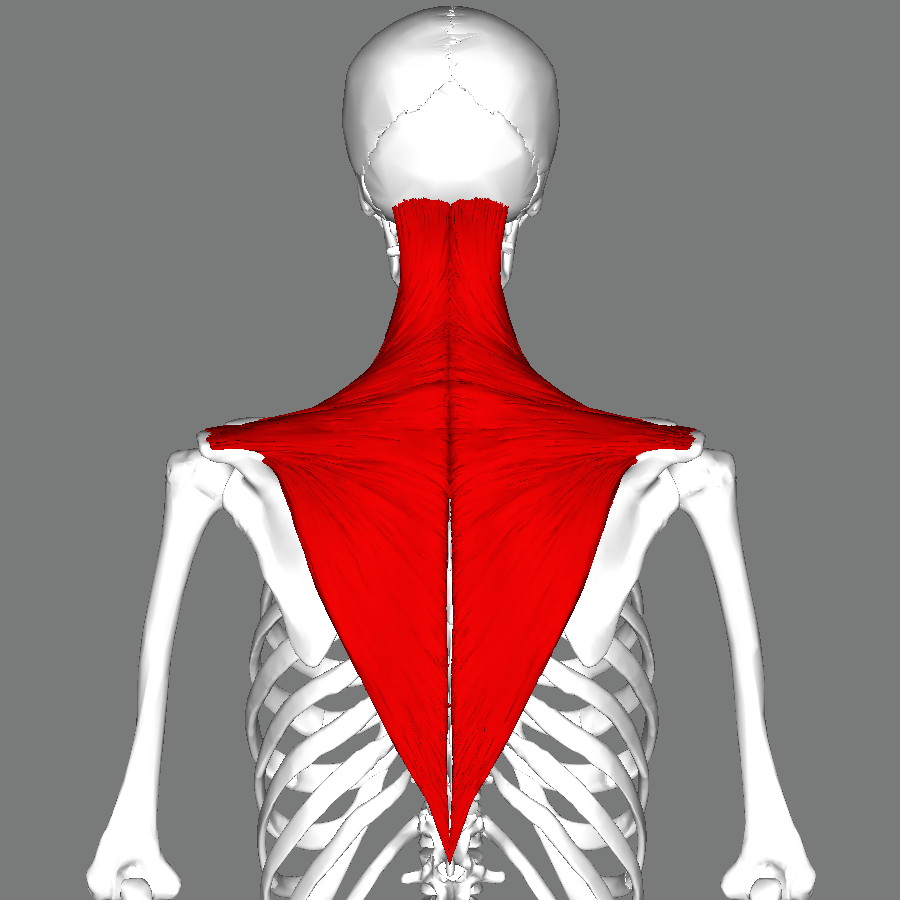
The trapezius is a large, diamond-shaped muscle that extends from the base of the skull down to the mid-thoracic spine and laterally to each shoulder blade. Its upper fibers are the primary culprits behind the appearance of thick, sloping shoulders.
Why does the upper trapezius become hypertrophied?
- Prolonged desk work — hours of keyboard and mouse use keep the upper traps in constant low-grade contraction.
- Chronic stress — the body’s fight-or-flight response raises and tightens the shoulders reflexively.
- Poor posture — forward head position and rounded shoulders force the upper traps to overcompensate.
- Heavy bag carrying — habitual shoulder-bag use on one side leads to asymmetric hypertrophy.
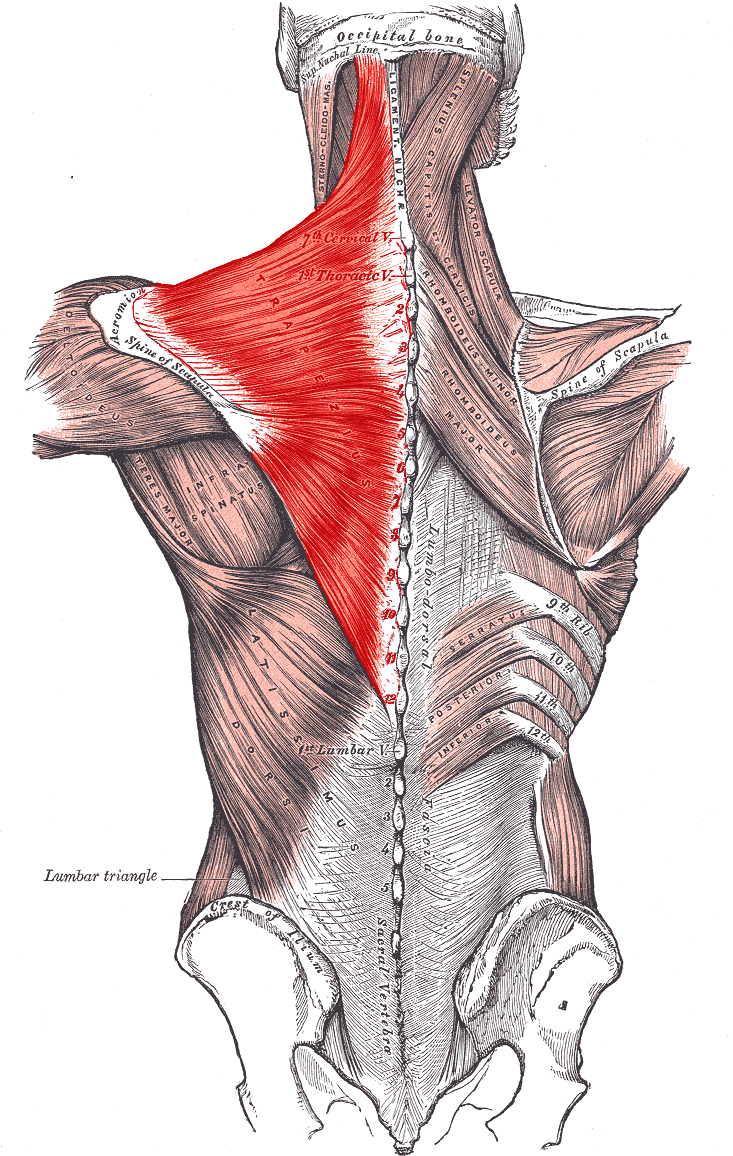
Visual consequences of trapezius hypertrophy:
- A pronounced bump at the neck-shoulder junction, making the neck appear shorter.
- Sloping shoulders that create an overall heavy, unrefined silhouette.
- Left-right imbalance when one side is more developed than the other.
- The impression of a wider upper body, even if the person is slim.
2. Step 1: Trapezius Botulinum Toxin — The Shoulder Slimming Injection
2.1 Mechanism of Action
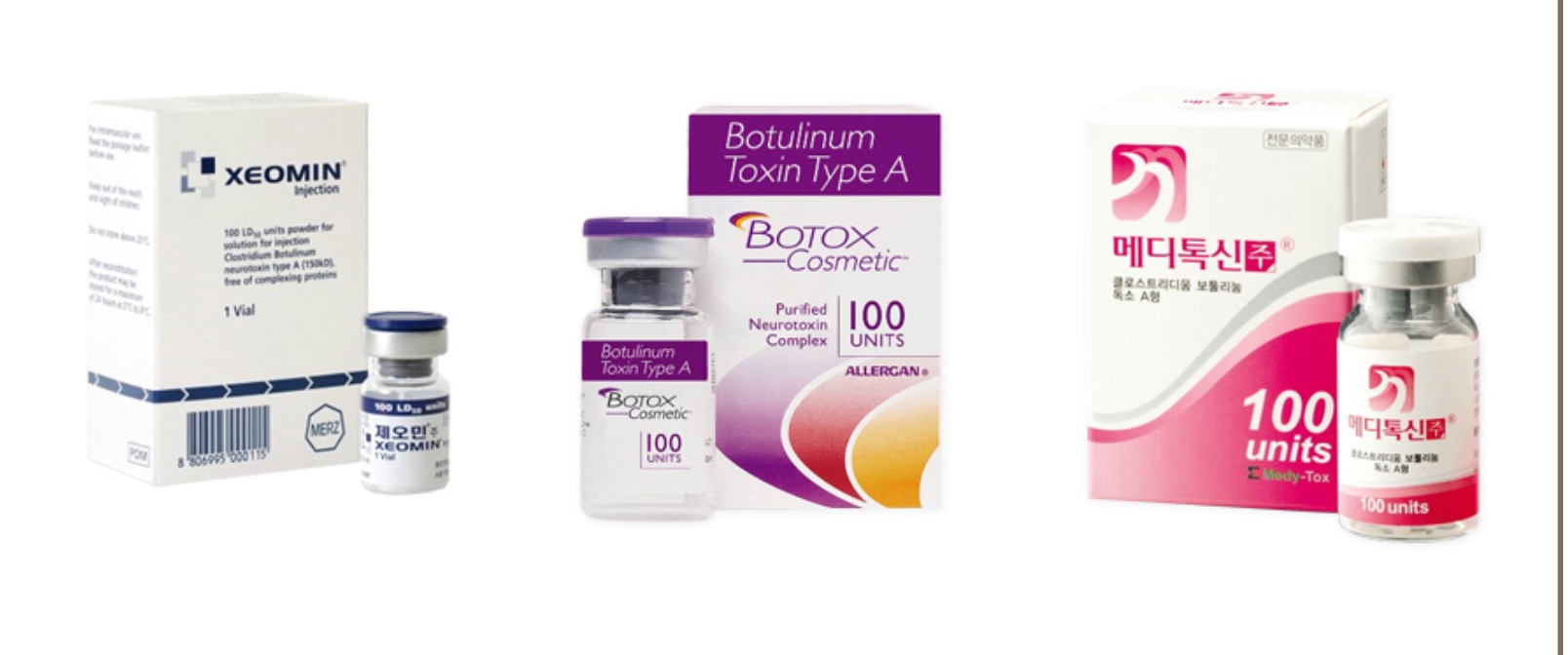
Botulinum toxin type A works by blocking the release of acetylcholine at the neuromuscular junction. When injected into the upper trapezius, it prevents the nerve signal from reaching the muscle fibers. Over the following weeks, the muscle undergoes neurogenic atrophy — it gradually reduces in volume because it is no longer receiving the stimulation to contract. The result is a visibly slimmer, softer shoulder line.
2.2 Injection Protocol
- Target area: The upper edge of the trapezius muscle, from the neck-shoulder junction extending laterally.
- Injection points: 6 to 10 points per side, distributed evenly along the upper trapezius ridge.
- Dosage: 50 to 100 units per side, adjusted based on muscle bulk and patient goals.
- Depth: Intramuscular injection at the correct depth is critical — too shallow risks poor efficacy; too deep risks affecting underlying structures.
- Patient position: Seated upright, with shoulders relaxed, to accurately assess the muscle contour during injection.
2.3 Treatment Timeline
| Timeframe | What to Expect |
|---|---|
| 3 – 7 days | Onset of effect; the muscle begins to relax, tension and stiffness decrease. |
| 2 – 4 weeks | Visible reduction in muscle bulk becomes apparent; shoulders start to look slimmer. |
| 6 – 8 weeks | Peak effect — maximum muscle atrophy and the most refined shoulder contour. |
| 4 – 6 months | Gradual recovery of muscle activity; repeat treatment recommended to maintain results. |
2.4 Potential Side Effects
- Mild soreness or bruising at injection sites, typically resolving within a few days.
- Temporary sensation of shoulder heaviness or mild weakness when lifting arms overhead.
- Rare: slight asymmetry if dosing is uneven — correctable at follow-up.
- Very rare: spread to adjacent muscles causing temporary neck weakness. Proper technique minimizes this risk.
3. Step 2: Shoulder Filler — The Secret Weapon for True Right-Angle Shoulders
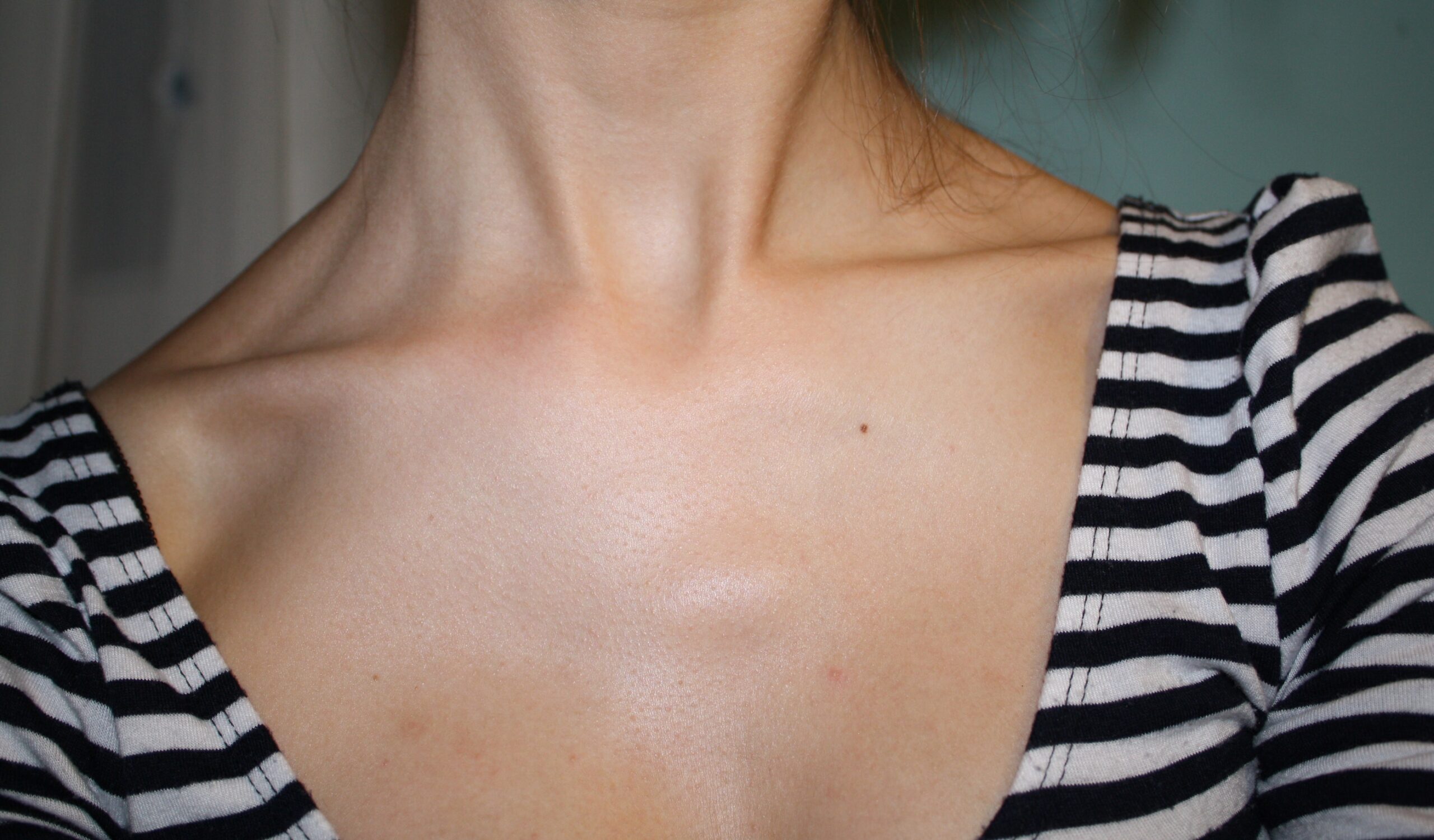
While botulinum toxin reduces the muscle bulk, it alone cannot create the sharp, angular shoulder line that defines the right-angle shoulder aesthetic. That is where shoulder filler comes in — strategically placed hyaluronic acid adds volume and structure exactly where the natural bone and soft tissue fall short.
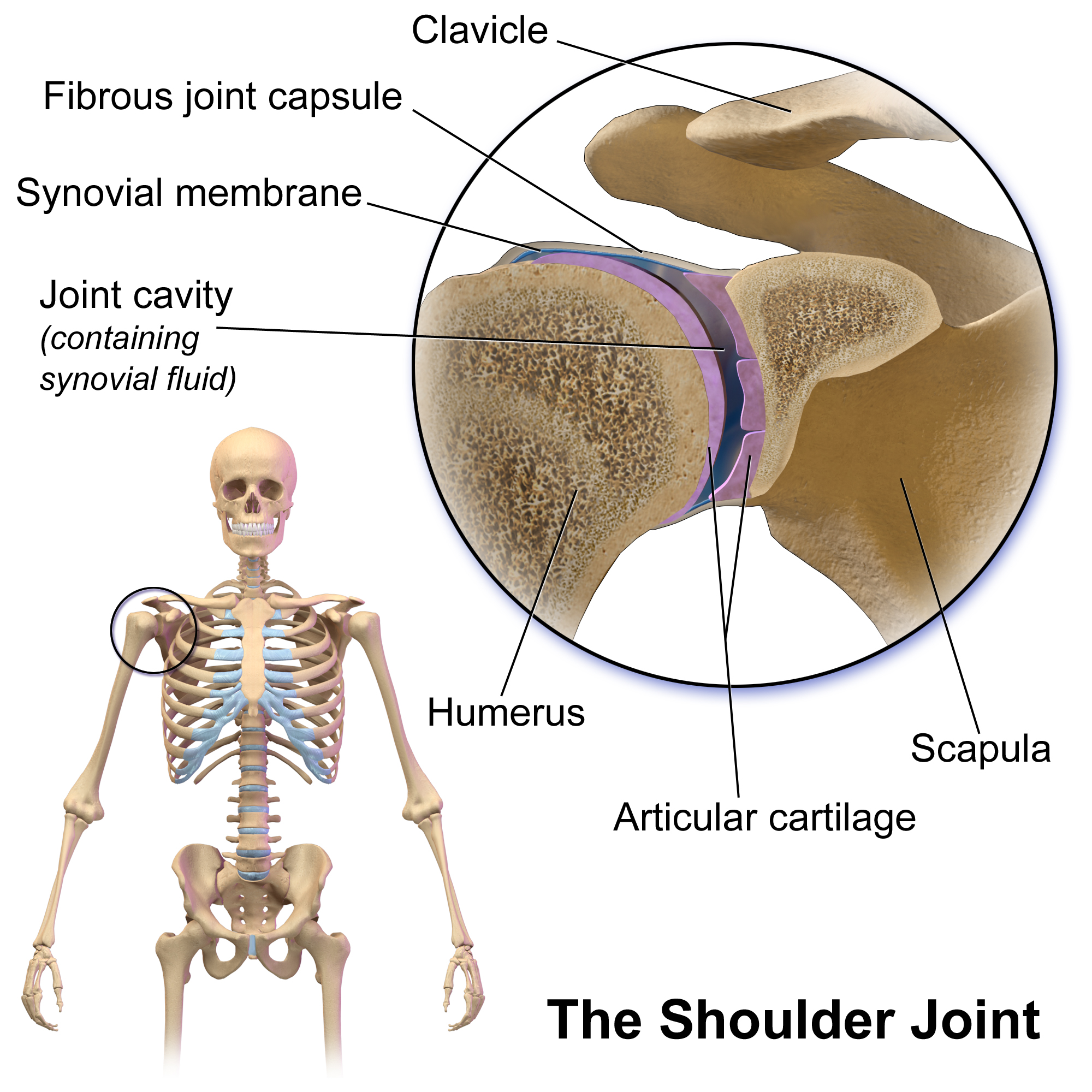
3.1 Key Fill Zones
- Lateral acromion: Building up the outer tip of the shoulder to create the sharp 90-degree angle.
- Mid-lateral clavicle groove: Filling the depression along the collarbone to smooth the transition from neck to shoulder.
- Upper deltoid: Adding subtle volume to the top of the deltoid muscle for a rounded, sculpted cap.
3.2 Injection Technique
- Cannula type: Blunt-tip cannula is preferred over sharp needles to minimize bruising and vascular risk.
- Patient position: Seated upright throughout the procedure for real-time contour assessment.
- Volume — Female: Typically 10 to 20 ml per side.
- Volume — Male: Typically 20 to 40 ml per side, owing to broader skeletal structure.
- Precision: Placement accuracy within 1 mm determines whether the result looks natural or overdone.
- Product: High G-prime (firm) hyaluronic acid fillers are used for structural support and longevity.
3.3 Gender Differences in Shoulder Contouring
| Factor | Female | Male |
|---|---|---|
| Goal | Narrow, delicate right-angle shoulders with elongated neck | Broad, square shoulders with defined lateral line |
| Filler volume per side | 10 – 20 ml | 20 – 40 ml |
| Emphasis zone | Acromion tip and clavicle groove | Lateral deltoid cap and acromion |
| Botox dosage per side | 50 – 80 units | 80 – 100 units |
4. How the Swan Neck Effect Is Created — Visual Logic
The swan neck effect is the visual result of two simultaneous changes:
- Reduction of the trapezius bulk — Botox causes the elevated muscle mass between the neck and shoulder to flatten. This visually lengthens the neck, as the slope from ear to shoulder tip becomes less steep.
- Augmentation of the shoulder angle — Filler at the acromion and clavicle groove raises the lateral shoulder point, creating a crisp 90-degree angle where the shoulder meets the upper arm.
The combined effect is a long, slender neck flowing into sharp, defined shoulders — precisely the silhouette associated with the Korean beauty ideal. The neck appears 2 to 3 cm longer, and the shoulders look structured and elegant rather than rounded and sloped.
5. Ideal Candidates and Contraindications
You may be an ideal candidate if:
- You have visibly thick or hypertrophied trapezius muscles that make your neck appear short.
- You have sloping shoulders and desire a more angular, defined shoulder line.
- You experience chronic shoulder and neck tension from desk work or stress.
- You want to improve your proportions without surgery.
- You are in good general health with realistic expectations.
Contraindications include:
- Known allergy or hypersensitivity to botulinum toxin or hyaluronic acid.
- Active infection at the intended injection site.
- Neuromuscular disorders such as myasthenia gravis or Lambert-Eaton syndrome.
- Pregnancy or breastfeeding.
- Use of aminoglycoside antibiotics or other drugs that interfere with neuromuscular transmission.
- Unrealistic expectations — this procedure refines contour but does not change skeletal structure.
6. Treatment Process Overview
- Online consultation — Submit photos and describe your goals via the BeautsGo platform. A coordinator reviews your case and recommends suitable practitioners.
- In-person assessment — The physician evaluates your trapezius bulk, shoulder width, skeletal landmarks, and skin quality.
- Treatment plan design — A customized plan is created specifying Botox dosage, filler volume, injection points, and product selection.
- Trapezius Botox injection — Performed first. Takes approximately 15 to 20 minutes. Minimal discomfort with topical numbing if desired.
- Shoulder filler injection — Can be performed on the same day or at a follow-up visit. Takes approximately 30 to 45 minutes per side.
- Immediate post-treatment check — The physician assesses symmetry and contour in the seated position. Minor touch-ups may be made on the spot.
- Aftercare instructions — Avoid heavy shoulder exercise for 2 weeks; no massage of the treated area for 24 hours; sleep on your back for the first few nights.
- Follow-up review — A check-in at 2 to 4 weeks to evaluate Botox onset and filler settling. Additional filler touch-up if needed.
7. Duration of Results and Cost
How long do results last?
- Trapezius Botox: Effects last 4 to 6 months. Repeat treatments 2 to 3 times per year are recommended for sustained results. With repeated sessions, some patients find the muscle atrophies further and intervals between treatments can be extended.
- Shoulder filler: High G-prime HA fillers in this area typically last 12 to 18 months, as the shoulder region has relatively low metabolic activity compared to the face.
Estimated cost in Korea:
| Treatment | Price Range (KRW) | Approximate USD |
|---|---|---|
| Trapezius Botox (both sides) | 200,000 – 500,000 KRW | ~$150 – $370 USD |
| Shoulder filler (both sides) | 2,000,000 – 5,000,000 KRW | ~$1,480 – $3,700 USD |
| Combined package | 2,200,000 – 5,500,000 KRW | ~$1,630 – $4,070 USD |
Note: Prices vary by practitioner experience, product brand, and total volume used. BeautsGo helps you compare options transparently so you can make an informed choice.
8. BeautsGo One-Stop Medical Tourism Service
BeautsGo is a professional medical tourism platform connecting international patients with top-tier aesthetic practitioners in Korea. Our service covers every step of your journey:
- Free initial consultation — Share your photos and goals; receive personalized recommendations.
- Verified practitioners — All partnered physicians are board-certified with extensive experience in body contouring procedures.
- Transparent pricing — No hidden fees. You see the full cost breakdown before committing.
- Appointment coordination — We schedule your consultation and treatment at times that work for you.
- Translation support — Real-time interpretation during your consultation and procedure.
- Aftercare follow-up — Post-treatment check-ins and remote support after you return home.
- Travel assistance — Help with accommodation recommendations and local transportation.
Contact us today to start your consultation:



9. Frequently Asked Questions
Q: Is the trapezius Botox injection painful?
A: Most patients describe the sensation as a mild pinch. Topical numbing cream can be applied beforehand to minimize discomfort. The entire procedure takes only 15 to 20 minutes.
Q: Can I get Botox and filler on the same day?
A: Yes. Many practitioners perform both treatments in a single session. The Botox is typically administered first, followed by the filler. The combined session takes approximately 60 to 90 minutes.
Q: Will my shoulders look unnatural or too angular?
A: When performed by an experienced practitioner, the results look natural and proportionate. The treatment plan is customized to your body frame, and adjustments are made in real time during the procedure.
Q: How soon will I see results?
A: Filler results are visible immediately after injection. Botox effects begin to appear within 3 to 7 days, with peak slimming visible at 6 to 8 weeks.
Q: Are there any activity restrictions after treatment?
A: Avoid strenuous shoulder exercises and heavy lifting for 2 weeks. Do not massage the treated area for 24 hours. Normal daily activities can be resumed immediately.
Q: What happens if I stop getting treatments?
A: If you discontinue Botox, the trapezius muscle will gradually regain its original size over 4 to 6 months. Filler is naturally absorbed by the body over 12 to 18 months. There are no adverse effects from stopping treatment.
Q: Is this procedure safe?
A: Both botulinum toxin and hyaluronic acid fillers have extensive safety records and are approved for cosmetic use worldwide. The key to safety is choosing a qualified, experienced practitioner — which is exactly what BeautsGo helps you do.
Q: How much does the full treatment cost in Korea?
A: A combined trapezius Botox and shoulder filler treatment typically ranges from 2,200,000 to 5,500,000 KRW (approximately $1,630 to $4,070 USD), depending on the products used and total volume. BeautsGo provides transparent quotes from multiple practitioners so you can compare.
Disclaimer: This article is for informational purposes only and does not constitute medical advice. All medical procedures carry risks. Consult a qualified medical professional before undergoing any treatment. Individual results may vary. BeautsGo is a medical tourism coordination platform and does not directly provide medical services.