
The neck is one of the first areas of the body to betray our age. Thin skin, constant movement, and gravitational pull make the neck especially vulnerable to wrinkles, sagging, and the dreaded “turkey neck” appearance. In Korea — one of the world’s leading destinations for medical aesthetics — two primary approaches dominate neck rejuvenation: neck Botox injections (a non-surgical method that temporarily relaxes the platysma muscle) and platysma plasty (a surgical procedure that directly tightens and reshapes the muscle). This article provides a thorough, anatomy-based comparison of both treatments so you can make an informed decision.
1. Understanding the Platysma Muscle
Before comparing treatments, it’s essential to understand the muscle at the center of both: the platysma.
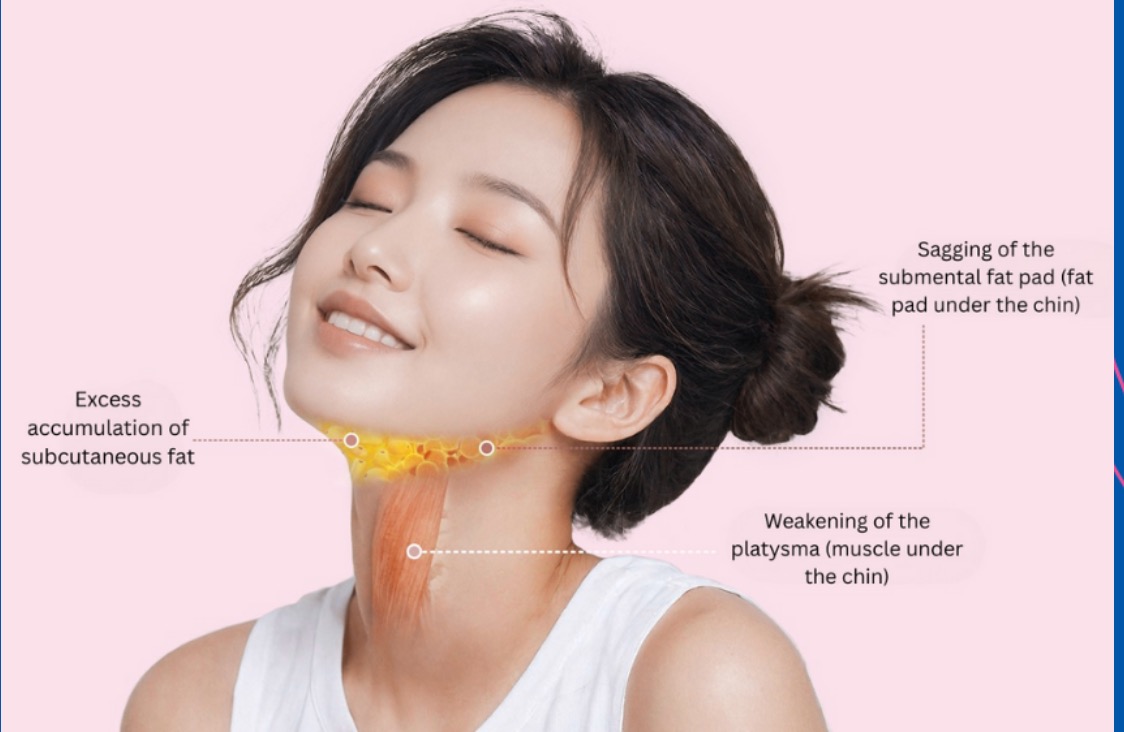
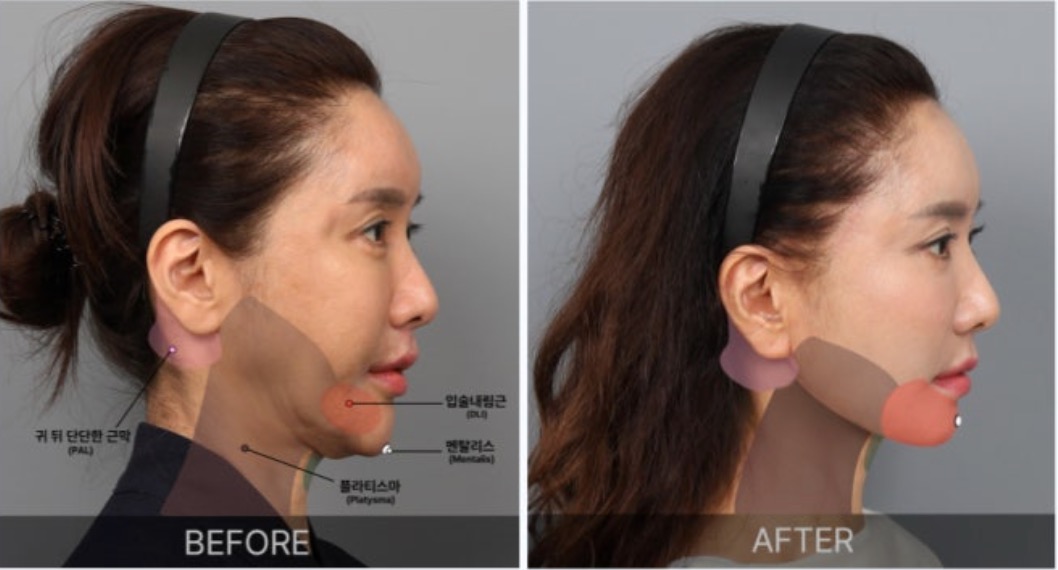
The platysma is a thin, broad, sheet-like superficial muscle that extends from the upper chest and shoulders, up over the collarbone, and along the sides of the neck to the lower jaw and facial muscles. Unlike most muscles that connect bone to bone, the platysma is a cutaneous muscle — it inserts directly into the skin and subcutaneous tissue. This unique anatomy is precisely why it plays such a central role in neck aesthetics.
The platysma is innervated by the cervical branch of the facial nerve (CN VII). When it contracts, it pulls the corners of the mouth downward and tenses the skin of the neck. With aging, the platysma undergoes several changes:
- Platysmal bands (vertical cords): As the muscle loses tone and the medial edges separate, prominent vertical bands appear on the anterior neck — often called “turkey neck.” These bands become more pronounced with muscle contraction and are a hallmark of cervical aging.
- Horizontal neck lines (necklace lines): These creases run horizontally across the neck and result from repeated skin folding, loss of dermal elasticity, and the pull of the underlying platysma. They can appear as early as the 30s and deepen over time.
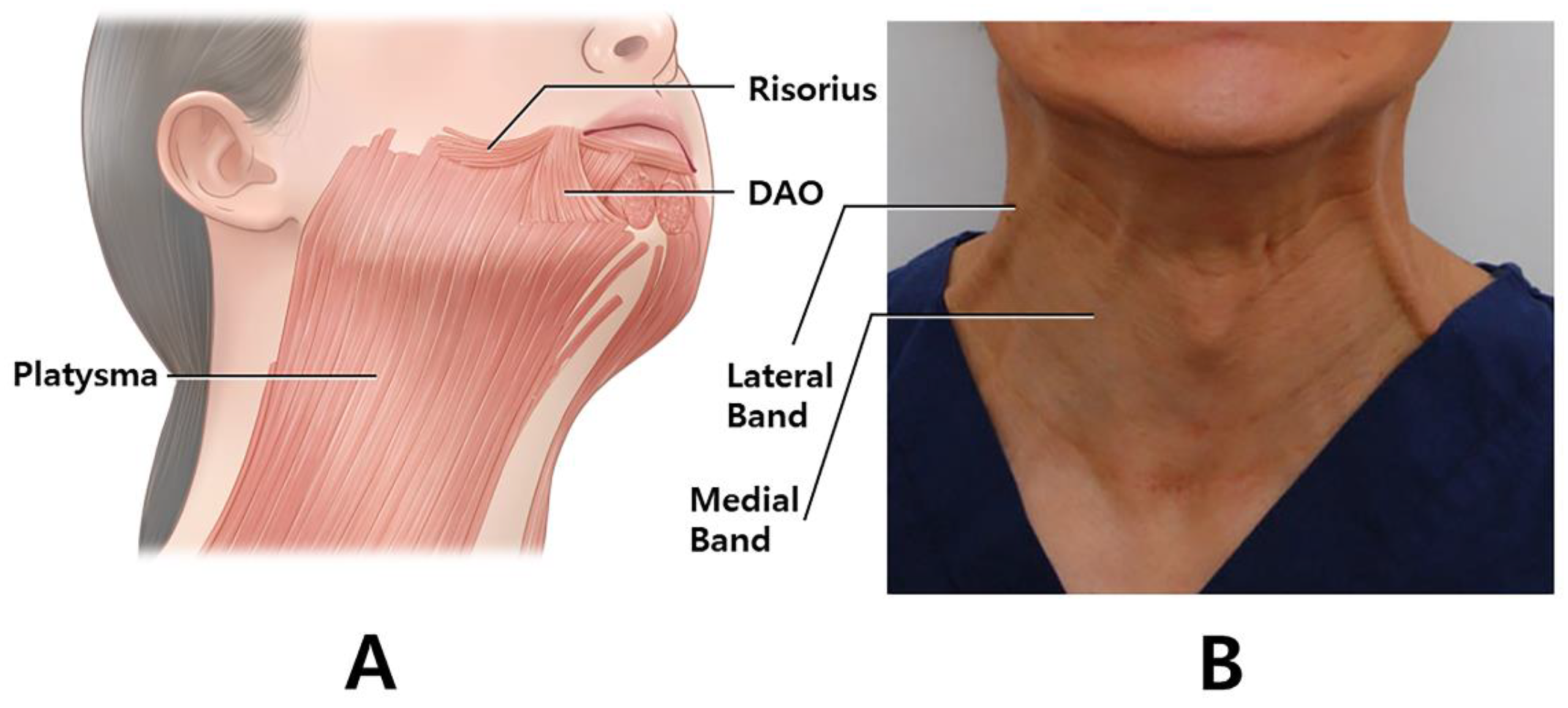
Understanding these two distinct aging patterns is critical, because they respond differently to Botox and surgery.
2. Neck Botox Injections: How They Work
Mechanism of Action
Botulinum toxin (Botox) works by blocking the release of acetylcholine at the neuromuscular junction. When injected into the platysma, it temporarily paralyzes the targeted muscle fibers, preventing them from contracting and pulling the skin into bands or creases. The result is a smoother, more relaxed neck contour.
Technique and Dosing
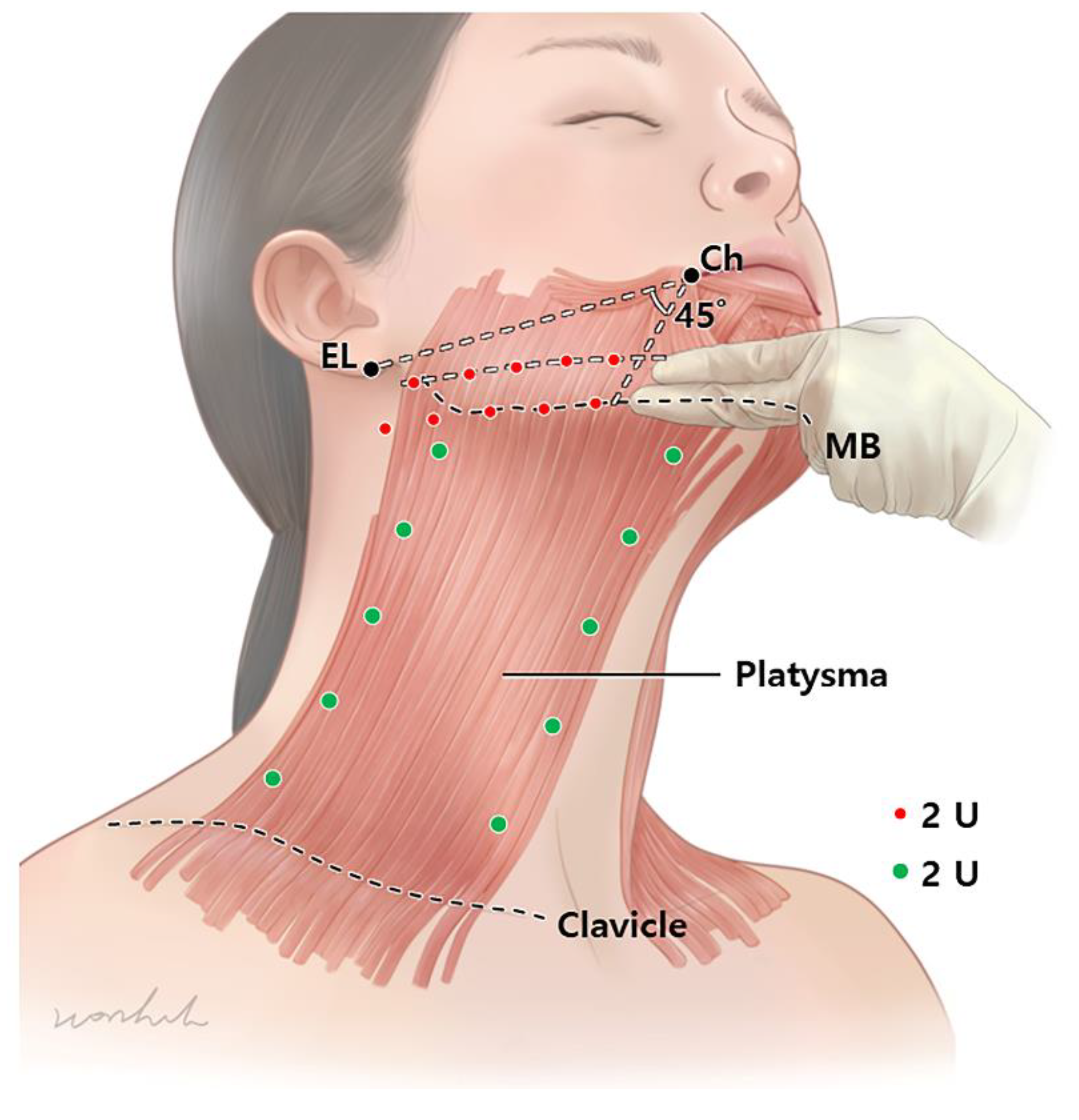
During a neck Botox session, the practitioner identifies the platysmal bands by asking the patient to clench the neck muscles. Small doses of botulinum toxin are then injected at 4–6 points along each visible band, spaced approximately 1–2 cm apart. The total dose typically ranges from 30 to 60 units, depending on band severity and the specific product used.
Onset and Duration
Results begin to appear within 5–14 days as the toxin takes full effect. The smoothing and relaxation of the platysmal bands typically lasts 3–6 months, after which repeat treatments are necessary to maintain results.
Advantages
- Non-invasive: No incisions, sutures, or general anesthesia required.
- No downtime: Patients can return to normal activities immediately.
- Reversible: Effects wear off naturally within months.
- Quick procedure: Typically completed in 15–20 minutes.
- Low immediate cost: Affordable per session compared to surgery.
Limitations
- Temporary: Requires repeat sessions every 3–6 months.
- Cumulative cost: Over years, total expenditure can exceed that of surgery.
- Limited efficacy for severe cases: Cannot address significant skin laxity, deep horizontal lines, or advanced platysmal banding.
- Dose sensitivity: Over-injection can temporarily affect swallowing or neck muscle function.
3. Platysma Plasty: The Surgical Solution
What Is Platysma Plasty?
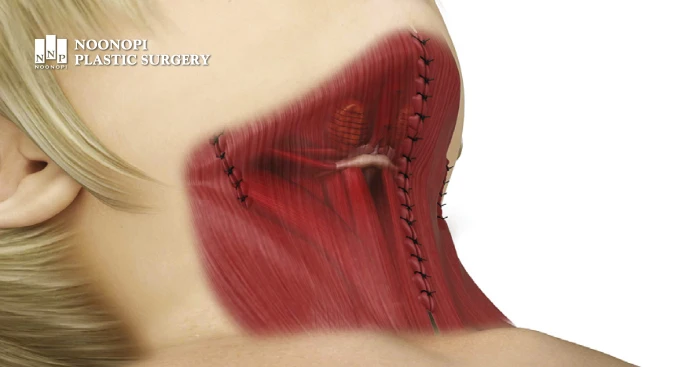
Platysma plasty is a surgical procedure that directly addresses the structural cause of neck aging. During the operation, the surgeon tightens, plicates (folds and sutures together), and repositions the loose platysma muscle — typically at the midline of the neck. In cases of significant muscle redundancy, partial excision of excess platysma tissue may also be performed.
Procedure Details
Platysma plasty is typically performed as an outpatient procedure under local anesthesia with sedation (or general anesthesia for combined procedures). The surgery takes approximately 60–120 minutes. A small incision is usually made beneath the chin (submental incision), through which the surgeon accesses the platysma, tightens the muscle bands, and may remove excess tissue. The incision is then closed with fine sutures.
Platysma plasty is frequently combined with other procedures such as a lower facelift, neck liposuction, or direct neck lift for comprehensive rejuvenation.
Results and Longevity
Because the surgery physically restructures the muscle, results are long-lasting — typically 5–10 years or more, depending on aging, lifestyle, and skin quality. Many patients consider it a one-time investment in neck rejuvenation.
Advantages
- Long-lasting results: 5–10+ years of improvement.
- Cost-effective long-term: A single procedure vs. years of repeat injections.
- Addresses severe cases: Effective for advanced platysmal banding and neck laxity that Botox cannot treat.
- Structural correction: Physically repositions and tightens the muscle.
Limitations
- Surgical procedure: Involves incisions, anesthesia, and inherent surgical risks.
- Higher single cost: Significant upfront investment.
- Recovery period: 1–2 weeks of downtime; swelling and bruising are expected.
- Temporary sensory changes: Some patients experience numbness or tightness in the neck area for weeks to months post-surgery.
4. Side-by-Side Comparison
The following table summarizes the key differences between neck Botox and platysma plasty across 12 important dimensions:
| Criterion | Neck Botox | Platysma Plasty |
|---|---|---|
| Mechanism | Chemical blockade of acetylcholine; temporary muscle relaxation | Surgical plication/tightening of the platysma at midline; may include partial excision |
| Procedure Type | Non-surgical injection | Outpatient surgery (local or general anesthesia) |
| Duration of Results | 3–6 months | 5–10+ years |
| Onset of Results | 5–14 days | Visible immediately; final results at 3–6 months post-op |
| Recovery Time | None (resume activities immediately) | 1–2 weeks (swelling, bruising, limited neck movement) |
| Invasiveness | Minimal (needle injection only) | Moderate (submental incision, sutures) |
| Best Indications | Mild to moderate platysmal bands; early aging signs | Severe platysmal banding; significant neck laxity; “Botox fatigue” |
| Sensory Impact | Minimal; occasional mild bruising at injection sites | Temporary numbness or tightness (weeks to months) |
| Single Treatment Cost | 3,000–6,000 CNY | 15,000–30,000 CNY |
| Estimated 3-Year Cost | 18,000–36,000 CNY (assuming 2–3 sessions/year) | 15,000–30,000 CNY (one-time) |
| Reversibility | Fully reversible (effects wear off naturally) | Permanent structural change (not easily reversible) |
| Practitioner Skill Level | Moderate (injection technique and dosing precision) | High (surgical expertise, knowledge of neck anatomy and nerve pathways) |
5. How to Choose the Right Treatment
Selecting between Botox and platysma plasty depends on your individual anatomy, goals, and circumstances. Here are some general guidelines:
Neck Botox May Be Right for You If:
- You have mild to moderate platysmal bands or early neck aging.
- You are a first-timer exploring neck rejuvenation options.
- You need a quick fix with no downtime (e.g., before a special event).
- You prefer a non-surgical, reversible approach.
- You want to “test” the results before committing to surgery.
Platysma Plasty May Be Right for You If:
- You have severe platysmal banding or significant neck skin laxity.
- You are experiencing “Botox fatigue” — tired of repeat injections every few months.
- You want a permanent, long-lasting solution that addresses the root cause.
- You are willing to invest in a single procedure and accept a recovery period.
- You are planning a comprehensive facial rejuvenation and want to include the neck.
Combination approach: In some cases, your doctor may recommend combining both treatments — using Botox for fine-tuning after surgical correction, or using Botox initially with plans for surgery later.
6. Why Korea for Neck Rejuvenation?
South Korea has earned its reputation as a global leader in medical aesthetics, and neck rejuvenation is no exception. Here’s why patients from around the world choose Korea:
- Surgical expertise: Korean plastic surgeons perform an exceptionally high volume of facial and neck procedures, developing refined techniques and deep anatomical knowledge.
- Anatomical precision: Korean surgeons are known for their meticulous approach to preserving nerve function and achieving natural-looking results.
- Diverse Botox products: Korea offers access to a wide range of botulinum toxin products (both domestic and international brands), allowing practitioners to select the optimal product for each patient.
- Integrated face-neck planning: Korean practitioners take a holistic approach, considering the neck as part of the overall facial aesthetic rather than treating it in isolation. This ensures harmonious, balanced results.
- Advanced facilities: State-of-the-art equipment, strict safety standards, and comprehensive aftercare programs.
- Competitive pricing: World-class results at a fraction of the cost in many Western countries.
7. Pre- and Post-Treatment Care
For Neck Botox
Before treatment:
- Avoid blood-thinning medications (aspirin, ibuprofen) and supplements (fish oil, vitamin E) for 7 days prior.
- Inform your doctor of any neuromuscular disorders or allergies.
- Avoid alcohol for 24 hours before the procedure.
After treatment:
- Remain upright for 4 hours post-injection; do not lie down.
- Avoid rubbing or massaging the treated area for 24 hours.
- Skip intense exercise, saunas, and hot baths for 24–48 hours.
- Follow up with your doctor if you notice any difficulty swallowing or unusual side effects.
For Platysma Plasty
Before surgery:
- Complete all pre-operative lab tests and medical clearance as directed.
- Stop smoking at least 2–4 weeks before surgery (smoking impairs healing).
- Discontinue blood-thinning medications and supplements as instructed.
- Arrange for someone to accompany you on the day of surgery and assist during the first 24–48 hours.
- Prepare a recovery space at home with extra pillows to keep your head elevated.
After surgery:
- Wear a compression garment or chin strap as directed (usually 1–2 weeks).
- Sleep with your head elevated for the first week to minimize swelling.
- Avoid strenuous activities and heavy lifting for 2–3 weeks.
- Keep incision sites clean and follow wound care instructions carefully.
- Attend all follow-up appointments for suture removal and progress evaluation.
- Be patient — final results may take 3–6 months as swelling fully resolves.
8. Frequently Asked Questions
Q1: Will platysma plasty cause numbness?
Temporary numbness or altered sensation in the neck area is common after platysma plasty and usually resolves within a few weeks to months. The cervical branch of the facial nerve runs near the platysma, and while surgeons take great care to preserve it, minor sensory disturbances can occur during healing. Permanent numbness is very rare when the procedure is performed by an experienced surgeon.
Q2: How long do the results last? Are they reversible?
Neck Botox results last 3–6 months and are fully reversible — the effects simply wear off over time. Platysma plasty results last 5–10+ years and represent a permanent structural change that is not easily reversed. The aging process continues after either treatment, but surgical results provide a much longer-lasting improvement.
Q3: Will neck Botox affect my ability to swallow?
When performed by a skilled practitioner using appropriate doses, neck Botox rarely affects swallowing. However, if too much toxin is injected or if injections are placed too deep, temporary mild difficulty swallowing (dysphagia) can occur. This is uncommon and resolves as the Botox wears off. Always choose an experienced injector who understands neck anatomy.
Q4: Which treatment is right for me? Can I combine both?
The right choice depends on the severity of your neck aging, your goals, budget, and tolerance for surgery. Mild to moderate platysmal bands often respond well to Botox alone. Severe banding or significant laxity typically requires surgical intervention. Yes, the two treatments can be combined — Botox can be used for fine-tuning after surgery, or as a maintenance treatment between surgical procedures.
Q5: What about scarring and recovery time?
Platysma plasty incisions are typically placed beneath the chin (submental crease) where they heal inconspicuously. Korean surgeons are particularly meticulous about minimizing visible scarring. Recovery generally takes 1–2 weeks, during which you may experience swelling, bruising, and tightness. Most patients return to work within 7–10 days, though strenuous activities should be avoided for 2–3 weeks.
Q6: Are there other treatments for neck wrinkles?
Yes, several other options exist depending on your needs: radiofrequency treatments (Thermage, AGNES) for mild skin tightening; HIFU (high-intensity focused ultrasound) for non-surgical lifting; thread lifts for moderate sagging; laser treatments for skin texture improvement; and hyaluronic acid fillers for horizontal neck lines. Your doctor can recommend the best approach based on your specific anatomy and goals.
Q7: How much does treatment cost in Korea? Do I need to stay in the hospital?
In Korea, neck Botox typically costs 3,000–6,000 CNY per session. Platysma plasty ranges from 15,000–30,000 CNY depending on the extent of the procedure and whether it is combined with other treatments. Neck Botox requires no hospital stay. Platysma plasty is usually performed as an outpatient procedure — you can return to your hotel the same day, though follow-up appointments during your stay are necessary.
Q8: What visa do I need for medical tourism in Korea?
For medical procedures in South Korea, you can apply for a C-3-3 medical tourism visa. This visa is specifically designed for foreign patients seeking medical treatment. The application fee is approximately 600 CNY. You will need a confirmation letter from the medical institution, proof of financial means, and standard visa documents. Processing typically takes 5–7 business days. For short consultations or non-invasive treatments, a regular tourist visa (C-3-9) may also be sufficient.
Conclusion
Both neck Botox and platysma plasty are effective approaches to neck rejuvenation, but they serve different patient profiles and address different severities of aging. Botox offers a convenient, non-invasive entry point with reversible results — ideal for early intervention and mild concerns. Platysma plasty provides a definitive, long-lasting structural correction for those with more advanced neck aging or who seek a permanent solution.
The key is understanding your own anatomy, setting realistic expectations, and consulting with a qualified specialist who can evaluate your individual case. Korea’s world-class medical aesthetics infrastructure, combined with the expertise of its surgeons and the availability of diverse treatment options, makes it an exceptional destination for achieving the elegant, youthful neck contour you desire.
Want to Learn More About Swan Neck Treatments?
Connect with our medical aesthetics consultants for personalized advice on neck rejuvenation treatments in Korea.



BeautsGo — Your One-Stop Korean Medical Aesthetics Service