
Considering forehead, back-of-head or crown reshaping in Korea? Compare the surgical approach, implant material, recovery and risks before choosing a clinic.
Bone cement augmentation changes the external contour of the skull. The amount and location of augmentation depend on skull shape, scalp condition and the surgical plan. Results vary; consultation should cover both achievable changes and limitations.
What Is Bone Cement Cranioplasty?
Bone cement cranioplasty may use polymethyl methacrylate (PMMA). PMMA is the polymer material; methyl methacrylate (MMA) is the related monomer, so the names should not be used interchangeably. Material choice and suitability must be assessed for the individual operation.
How it works: A surgeon accesses the planned area through an incision and shapes or places the implant according to the surgical plan. In-situ moulded cement and a preformed implant have different preparation and handling requirements. Both are surgery; the term “injection method” should not be confused with routine injectable fillers.
Choosing a clinic: Discuss the surgeon’s experience with the specific area, the proposed material and approach, and how complications and revision would be managed. Ask what records and examinations are needed before a treatment date is set.
Forehead Augmentation
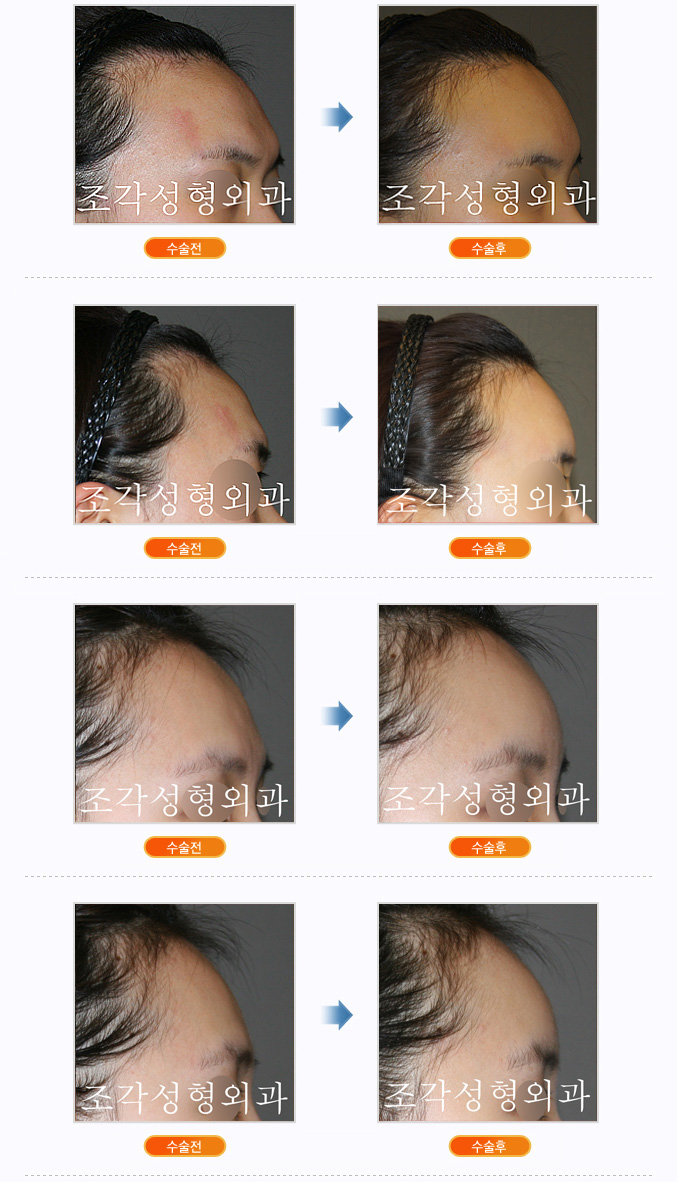
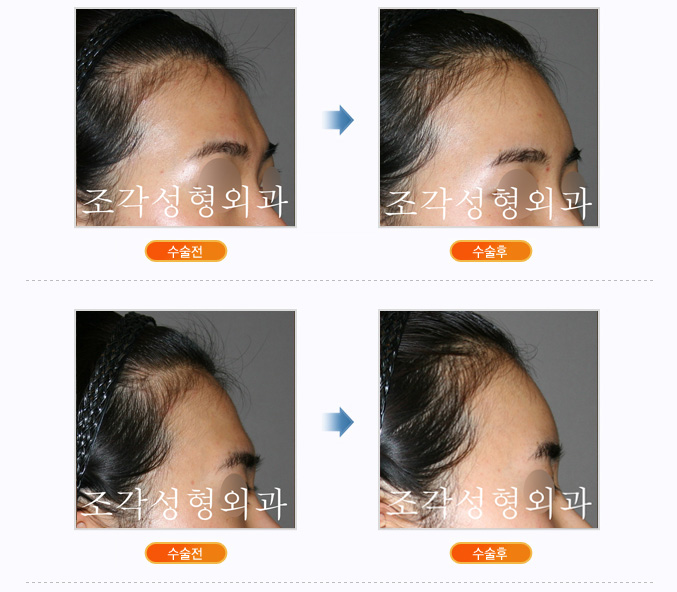
Forehead augmentation is the most popular application of bone cement cranioplasty. A flat or receding forehead can make the face appear less dimensional, particularly in profile view. Bone cement augmentation creates a fuller, rounder, and more feminine forehead contour, fundamentally enhancing the overall facial aesthetic.
Critical Consideration: Forehead augmentation must be planned in harmony with the overall facial proportions. If the nose bridge is low, an overly projected forehead will actually make the nose appear even flatter. Expert surgeons always evaluate the relationship between forehead height, nasal projection, cheekbone contour, and jawline before designing the augmentation plan. Incision location and scar visibility depend on the approach, hairline and individual healing; scars and local hair changes should be discussed before surgery.
Cost planning: Request an itemised quote for the treatment area, material, anaesthesia, examinations, taxes and follow-up. Different approaches and implant designs should be compared separately.
In-Situ Moulded Cement vs. Custom Implant: Detailed Comparison
| Feature | In-Situ Moulded Bone Cement | 3D Custom Implant Method |
|---|---|---|
| Price | Individual surgical quote | Individual implant and surgical quote |
| Incision Size | Depends on access and the planned area | Larger incision (to insert pre-fabricated implant) |
| Timeline | Assessment and preparation before scheduling | Imaging, design and production schedule agreed with the surgeon |
| Shape Precision | Depends on surgeon’s manual sculpting; minor unevenness possible | Preoperative design; fit and contour still require surgical assessment |
| Best For | Patients whose anatomy and goals suit in-situ moulding | Patients whose plan calls for a preformed implant |
| Potential Risks | Infection, wound and contour complications; possible revision | Infection, wound and scalp complications; possible revision |
Back-of-Head Augmentation
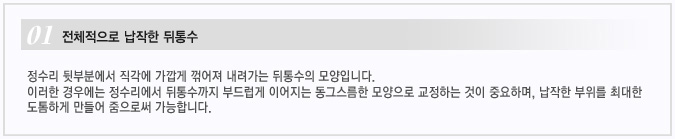
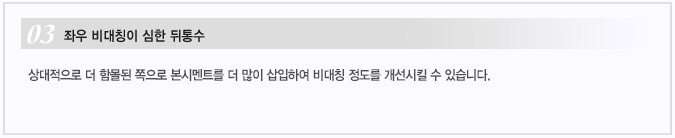
A flat occipital contour can affect the side profile and the way a hairstyle sits. Head shape varies between individuals; the cause and the suitability of augmentation should not be inferred from ethnicity or childhood sleeping position alone.
Procedure: The surgeon plans access, implant position and volume to suit the occipital contour and scalp. Imaging, incision length, anaesthesia and scheduling depend on the assessment; do not assume that imaging is unnecessary or that surgery can follow immediately after the first consultation.
Important: Back-of-head augmentation is not simply about making the occiput protrude more. The shape must harmonize with the overall head proportions — width, height, and bilateral symmetry — to create a naturally flowing contour.
Cost planning: Request an itemised quote for the treatment area, material, anaesthesia, examinations, taxes and follow-up. Different approaches and implant designs should be compared separately.
Crown / Top-of-Head Augmentation
A flat or asymmetric crown is less common than forehead or back-of-head concerns, but it can still significantly affect the overall head shape aesthetic. Crown augmentation uses the same bone cement technique to add height to the top of the head or correct asymmetry. The procedure, technique, and pricing are similar to back-of-head augmentation.
Why Korea?
When considering surgery in Korea, compare the practical details of the proposed care:
- Relevant experience — Ask about experience with your planned area and approach.
- Scope of care — Confirm which procedures the surgeon performs and how revision is handled.
- Implant planning — Ask whether imaging and a custom implant are appropriate.
- Communication — Arrange interpretation and written postoperative instructions.
- Comparable quotes — Compare the same area, material, anaesthesia and follow-up.
- Risk discussion — Review material-specific and surgical risks rather than relying on a history-of-use claim.
Ideal Candidates
- Flat forehead — want a rounder, more feminine contour
- Flat back-of-head contour — discuss realistic changes with the surgeon
- Asymmetric skull — left-right imbalance
- Skull depression from previous trauma or surgery
- Want a better side profile
- Want to look better in hats, ponytails, or short hairstyles
BeautsGo Popular Combinations
- Forehead and nose planning: Discuss facial proportions; a second operation is not automatically necessary.
- Multiple head areas: Discuss overall proportions, operative scope and recovery before combining areas.
- Soft tissue and skeletal contour: Separate the goals and risks of fat grafting from those of an implant.
BeautsGo Service Flow
- Free Online Consultation — Send front, side, 45-degree, and top-of-head photos; describe your head shape concerns
- Clinic selection — Discuss surgeons who perform the proposed procedure and arrange a consultation.
- Arrival in Korea — Confirm any interpretation or transport arrangements and their costs before travel.
- Pre-Surgical Assessment — Surgeon evaluates your head shape and creates a personalized surgical plan
- Surgery Day — Local anesthesia with sedation or general anesthesia; procedure takes approximately 1–2 hours
- Postoperative care — Follow the surgeon’s wound-care, activity and review instructions; swelling and recovery vary.
- Long-Term Follow-Up — Ongoing monitoring to ensure optimal results
Frequently Asked Questions
Q: What risks should I discuss?
PMMA has medical uses, but that does not make an operation risk-free. Discuss infection, wound healing, contour irregularity and the possibility of revision or removal. The surgeon should explain risks for the specific material and operation; reconstructive cranioplasty statistics cannot be assumed to describe cosmetic augmentation.
Q: How long does it last?
PMMA is intended as a long-term implant rather than an absorbable filler. Long-term placement does not guarantee that revision or removal will never be needed. Ask about follow-up and what to do if pain, swelling or contour changes develop.
Q: Is it painful?
Anaesthesia and postoperative pain relief are planned for the operation. Discomfort and recovery vary; ask the team how pain will be managed and which symptoms require prompt review.
Q: Can it be removed?
Removal or revision may be possible, but requires another surgical assessment and carries its own risks. Discuss the approach and limitations before the original operation.
Q: How many trips to Korea are needed?
Plan assessment, any imaging or implant preparation, surgery and follow-up with the clinic. The number of visits and return-flight timing depend on the operation and recovery; do not assume one short trip is sufficient.
Q: Will people notice?
Changes in contour, swelling and scars may be visible. Healing and appearance vary, and a completely invisible incision or natural-looking result cannot be guaranteed.
Request a written quote specifying the material, treatment area, anaesthesia, taxes, interpretation and postoperative visits. Travel and accommodation should be budgeted separately unless expressly included.
Free Consultation — Contact Us Now
Contact us through WeChat, our mini program, LINE or WhatsApp. BeautsGo Korean medical aesthetics advisors are ready to help.
Contact BeautsGo for consultation and booking
Discuss clinic options, appointment availability and an itemised quote with BeautsGo.