
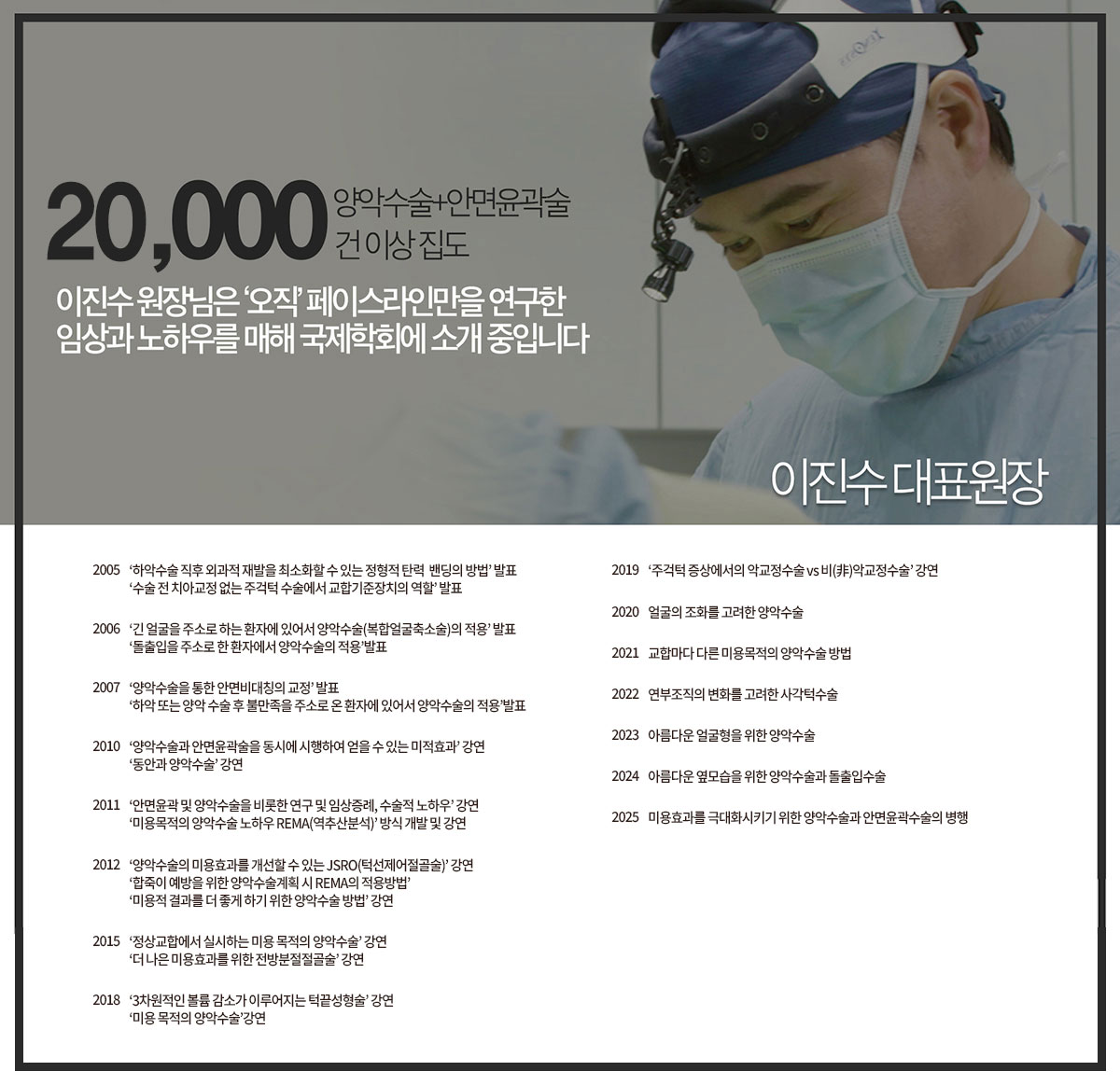
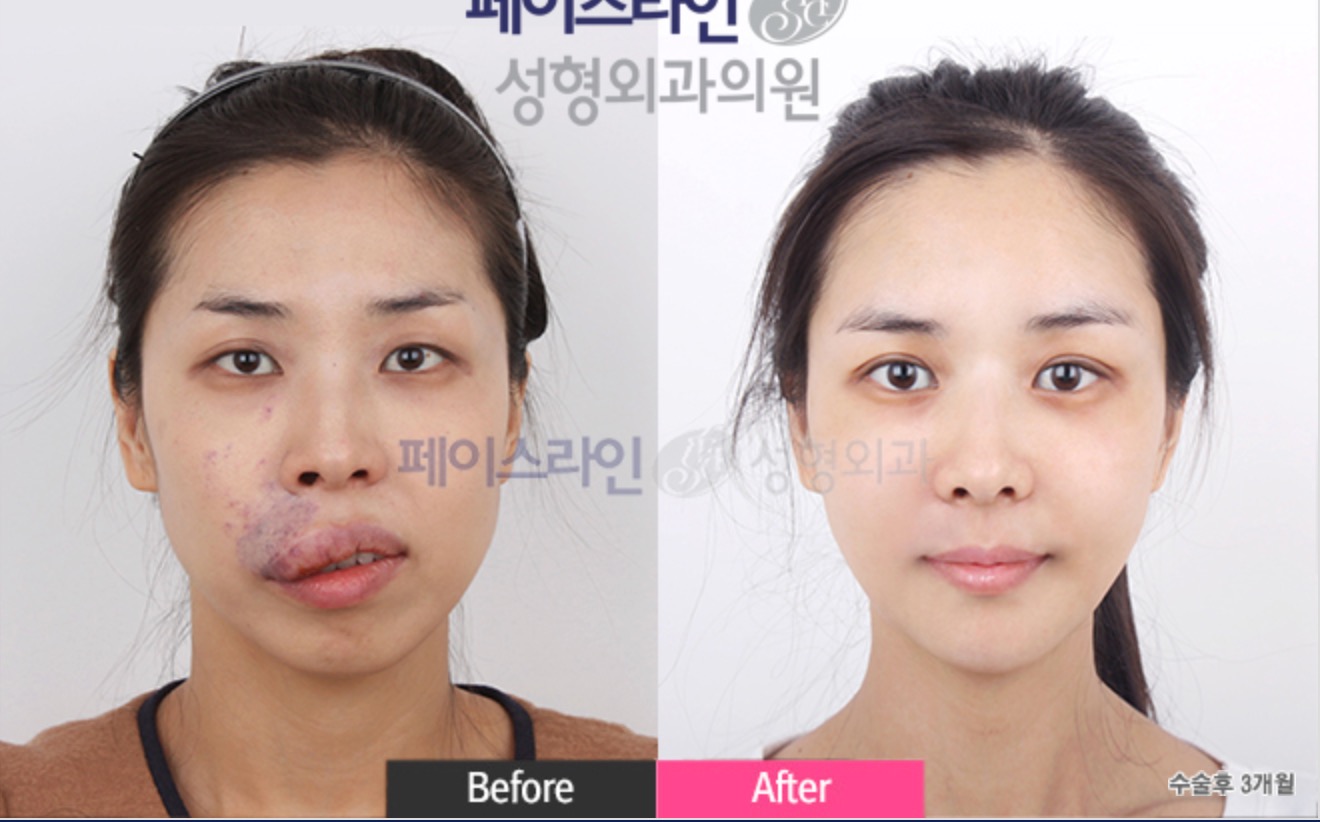
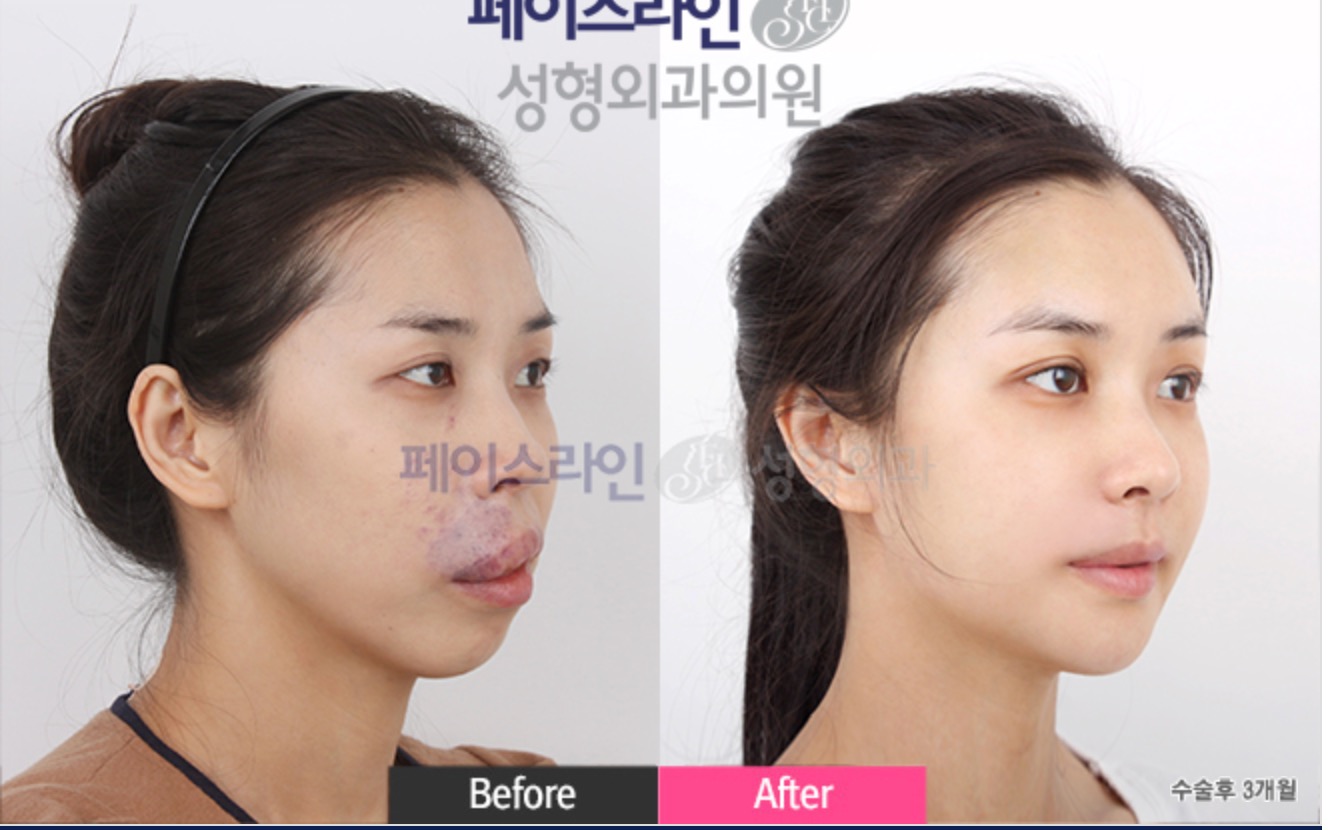
Bimaxillary osteotomy (양악수술) is one of the most complex yet most transformative facial bone surgeries, fundamentally improving facial proportions and bite alignment by simultaneously adjusting the positions of the upper and lower jaws. For issues such as protruding mouth, facial asymmetry, long face, and underbite, bimaxillary osteotomy is the only solution that can achieve fundamental change. Face-Line Facial Contouring Surgery Clinic (페이스라인성형외과), located in Seoul’s Gangnam district, has specialized in facial bone surgery since its founding in 2005. Their proprietary “Smart Bimaxillary Osteotomy” system encompasses multiple innovative techniques including the patented JSRO technique, Z-Dongan (youthful) bimaxillary surgery, and N-Dongan bimaxillary surgery. Procedures are personally performed by Director Lee Jin-soo (이진수) and Director Lee Tae-hee (이태희), both with over 19 years of facial bone surgery experience. BeautsGo provides full Chinese-language concierge services for Chinese beauty seekers, helping you safely and confidently complete your bimaxillary surgery journey in Korea.
What Is Smart Bimaxillary Osteotomy?
Face-Line’s Smart Bimaxillary Osteotomy (스마트양악) is not a single technique but a complete surgical system. Based on each patient’s bone conditions, bite status, and aesthetic goals, the surgeon selects the most suitable combination from multiple patented techniques. The core advantages of this system include: precise pre-operative 3D analysis, personalized surgical design, and proprietary fixation techniques, enabling results that address both functional issues and ideal facial aesthetics.
Face-Line’s Proprietary Techniques Explained
JSRO Patented Osteotomy
JSRO is an exclusive mandibular osteotomy technique developed by Face-Line. Unlike traditional SSRO (Sagittal Split Ramus Osteotomy) and IVRO (Intraoral Vertical Ramus Osteotomy), JSRO features an innovatively optimized osteotomy line design that better protects the inferior alveolar nerve while repositioning the mandible, reducing the risk of post-operative facial sensory abnormalities while providing more stable bone fixation.
Z-Dongan Bimaxillary Surgery (Z동안양악)
Z-Dongan bimaxillary surgery is a technique designed by Face-Line for patients who have both facial aging and skeletal issues. “Dongan” means “youthful appearance” in Korean, referring to the rejuvenation effect. Building on bimaxillary correction, this technique achieves simultaneous facial rejuvenation through specialized osteotomy angles and bone repositioning, improving mid-face sagging and nasolabial folds along with other signs of aging.
N-Dongan Bimaxillary Surgery (N동안양악)
N-Dongan bimaxillary surgery is an advanced version of Z-Dongan, designed for patients with more complex skeletal issues or higher demands for rejuvenation results. It combines bone reshaping with more refined soft tissue management protocols, resulting in a tighter and more voluminous post-operative facial contour.
Elastic Fixation Technique (탄력고정)
Traditional bimaxillary surgery uses titanium plates and screws for rigid fixation. Face-Line’s elastic fixation technique adds an elastic element on top of rigid fixation, allowing micro-physiological movement of the bones during the healing process. This promotes more natural bone healing while reducing the irritation of fixation devices on surrounding tissue.
Transparent Bimaxillary Surgery (투명양악)
Transparent bimaxillary surgery reflects Face-Line’s commitment to surgical safety and transparency. Through intraoperative real-time navigation and precise positioning systems, surgeons can accurately control every step during the operation, ensuring bone movement matches the pre-operative design exactly, minimizing error to the greatest extent.
Indications for Bimaxillary Osteotomy
Not all facial contour issues require bimaxillary osteotomy. The following are the primary indications:
- Protruding Mouth (돌출입): Overall forward protrusion of both upper and lower jaws, causing the mouth area to appear prominent and an unattractive side profile, with the mouth looking bulged even when closed.
- Facial Asymmetry (안면비대칭): Asymmetric development of the upper and lower jaws, causing midline deviation and left-right imbalance, affecting facial harmony.
- Long Face (긴얼굴): Excessive vertical facial proportions, with overdevelopment of the mid-face or lower face, making the face appear elongated.
- Underbite/Prognathism (주걱턱): Excessive forward protrusion of the mandible, with lower teeth biting in front of the upper teeth, affecting both bite function and facial appearance.
- Open Bite (개방교합): Upper and lower teeth cannot achieve normal occlusion, with gaps between the front teeth, affecting chewing and pronunciation.
Bimaxillary Osteotomy vs. Facial Contouring Surgery
Many beauty seekers are undecided between bimaxillary osteotomy and facial contouring surgery. The two have fundamental differences:
| Comparison | Bimaxillary Osteotomy | Facial Contouring Surgery |
|---|---|---|
| Target | Overall position of upper + lower jaws | Local bone areas: jaw angle, cheekbones, chin |
| Core Purpose | Changing jaw position relationships and bite | Improving facial width and contour lines |
| Indications | Protruding mouth, underbite, facial asymmetry, bite abnormalities | Square face, prominent cheekbones, short chin |
| Bite Improvement | Yes, directly improves bite function | No, does not involve bite adjustment |
| Surgical Complexity | Higher, requires orthodontic coordination | Moderate |
| Recovery Period | 3-6 months | 1-3 months |
| Reference Price | ₩8,000,000–20,000,000 | ₩5,000,000–12,000,000 |
In simple terms: if your issues are primarily abnormal bone positioning (protruding mouth, underbite, asymmetry), bimaxillary osteotomy is needed; if the issues are mainly bone shape (too wide, too square), facial contouring surgery can resolve them. Some patients may need both procedures performed together. Face-Line’s doctors will make an accurate assessment during your in-person consultation.
Post-Operative Recovery Timeline
- Days 1-3 Post-Surgery: Peak swelling period with significant facial swelling; hospitalization for observation required; liquid diet only.
- Weeks 1-2 Post-Surgery: Swelling gradually subsides; discharge possible but frequent follow-ups still needed; liquid and soft diet.
- Weeks 2-4 Post-Surgery: Most noticeable swelling subsides; gradual return to normal diet; basic social activities possible.
- Months 1-3 Post-Surgery: Facial contours continue to improve; residual swelling continues to subside; normal work and daily life possible.
- Months 3-6 Post-Surgery: Bones fully healed; soft tissue completely stabilized; final surgical results fully apparent.
The recovery period for bimaxillary osteotomy is longer than for facial contouring surgery. BeautsGo recommends that patients allow at least 14 days of stay in Korea. Some patients may require pre-operative orthodontic treatment; specific scheduling will be determined after an in-person consultation.
Reference Prices
The reference price for Face-Line Smart Bimaxillary Osteotomy is ₩8,000,000–20,000,000 KRW (approximately RMB 40,000–100,000). Price differences mainly depend on the complexity of the surgical plan and whether additional surgeries (such as cheekbone reduction, chin surgery, etc.) are needed. By booking through BeautsGo, you can receive a preliminary price reference before your consultation and a precise quote after your in-person evaluation.
Frequently Asked Questions (FAQ)
Q: Is bimaxillary osteotomy dangerous?
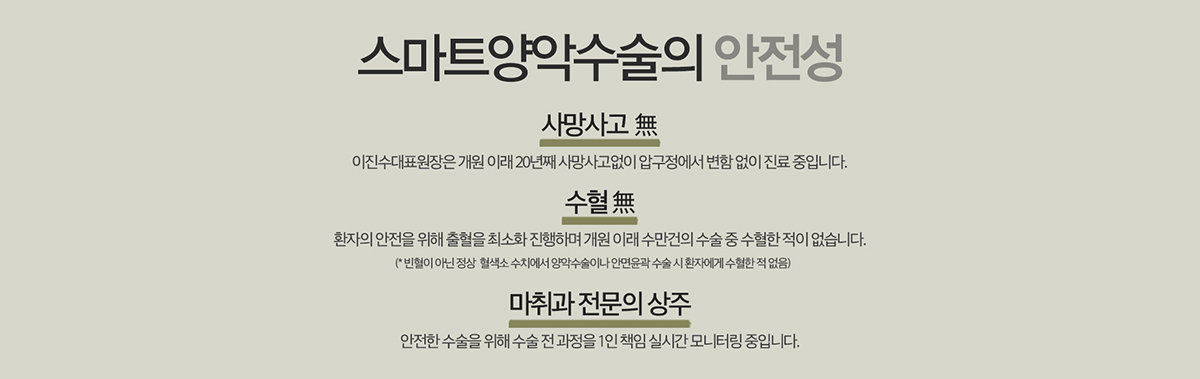
A: Bimaxillary osteotomy is indeed the most complex type of facial bone surgery, which is why choosing an experienced surgeon is crucial. Face-Line’s Director Lee Jin-soo and Director Lee Tae-hee have over 19 years of specialized experience, with a professional anesthesia team and monitoring equipment present throughout the surgery to ensure safety.
Q: Does bimaxillary osteotomy require pre-operative orthodontics?
A: Some patients need to wear braces for orthodontic preparation before surgery, typically for 6-12 months. However, some cases can adopt a “surgery-first” approach. The specific plan will be determined by the surgeon’s assessment.
Q: Will chewing and speaking be affected after surgery?
A: There may be some impact in the initial post-operative period, but normal function will gradually return during recovery. Most patients can eat and speak normally within 1-2 months after surgery. One of the long-term goals of bimaxillary osteotomy is precisely to improve bite function.
Q: Do the titanium fixation plates need to be removed after bimaxillary surgery?
A: The titanium fixation plates used by Face-Line have excellent biocompatibility and typically do not require a second surgery for removal. If individual patients experience discomfort, the plates can be electively removed after more than one year post-surgery.
Q: Are the results of bimaxillary osteotomy permanent?
A: Yes. Once the bones are healed and fixed, the surgical results are permanent. However, facial soft tissue will naturally change with age, which is unrelated to the surgery itself.
BeautsGo Service Process
- Online Consultation: Contact BeautsGo via WeChat or LINE, send front, side, and 45-degree angle photos, and describe your concerns and expectations in detail.
- Preliminary Assessment: The BeautsGo team conducts a preliminary assessment based on your photos and information, recommending suitable surgical plans and providing cost estimates and timeline planning.
- Pre-Operative Preparation: If pre-operative orthodontics are needed, BeautsGo can help connect you with partnered orthodontists domestically or arrange an orthodontic plan in Korea.
- Appointment Booking: Once your travel dates to Korea are confirmed, BeautsGo books your Face-Line consultation and assists with visa and travel arrangements.
- In-Person Consultation in Korea: A Chinese-speaking concierge accompanies you throughout 3D CT examination, cephalometric analysis, and doctor consultation to finalize the surgical plan.
- Surgery and Hospitalization: Concierge staff are by your side throughout the surgery day and hospital stay, facilitating doctor-patient communication and daily care.
- Post-Operative Follow-Up: After discharge, concierge assists with regular follow-ups and suture removal, providing recovery guidance.
- Follow-Up After Returning Home: After returning home, BeautsGo continues to monitor recovery progress and assists with communication with the Face-Line medical team for any concerns.
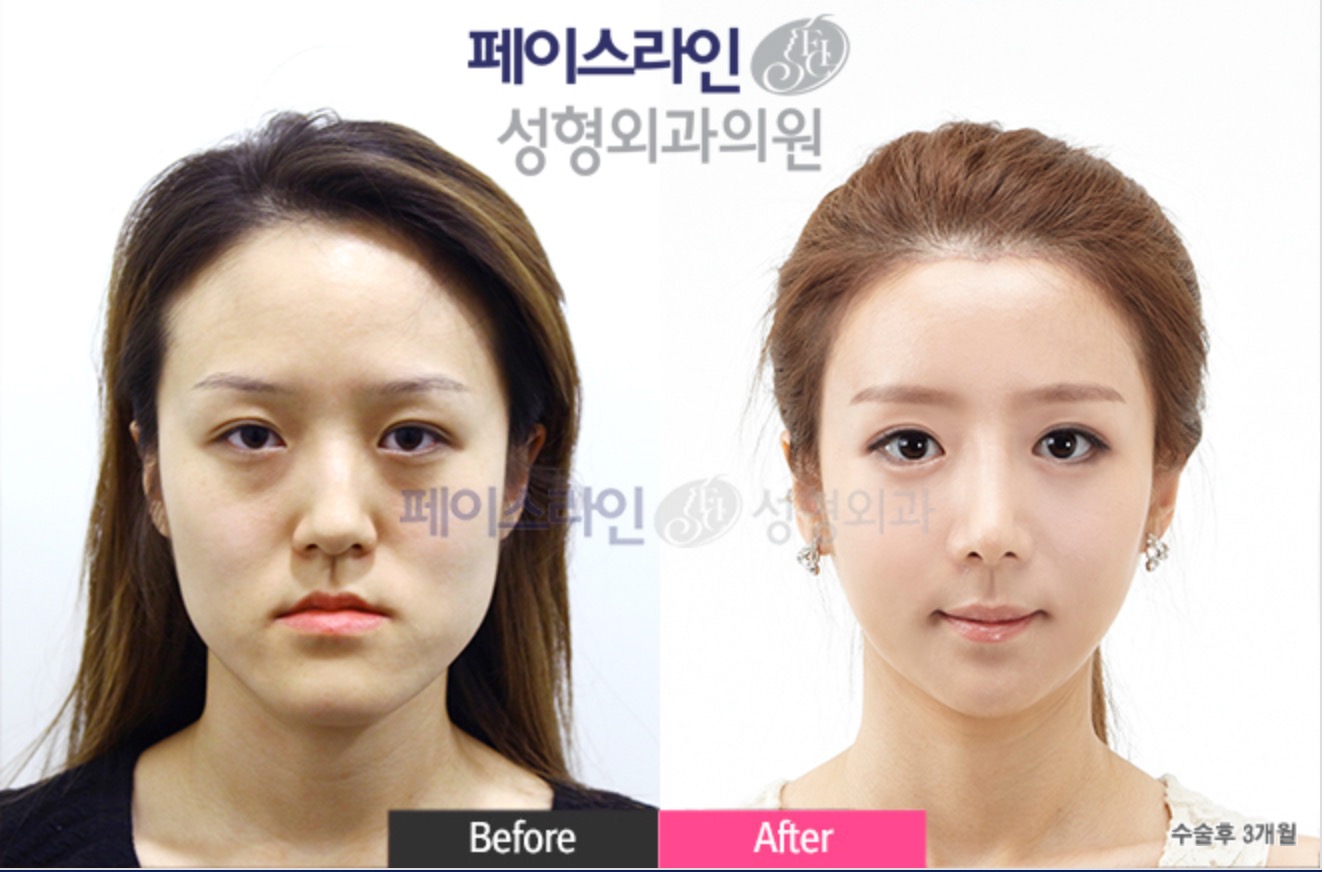
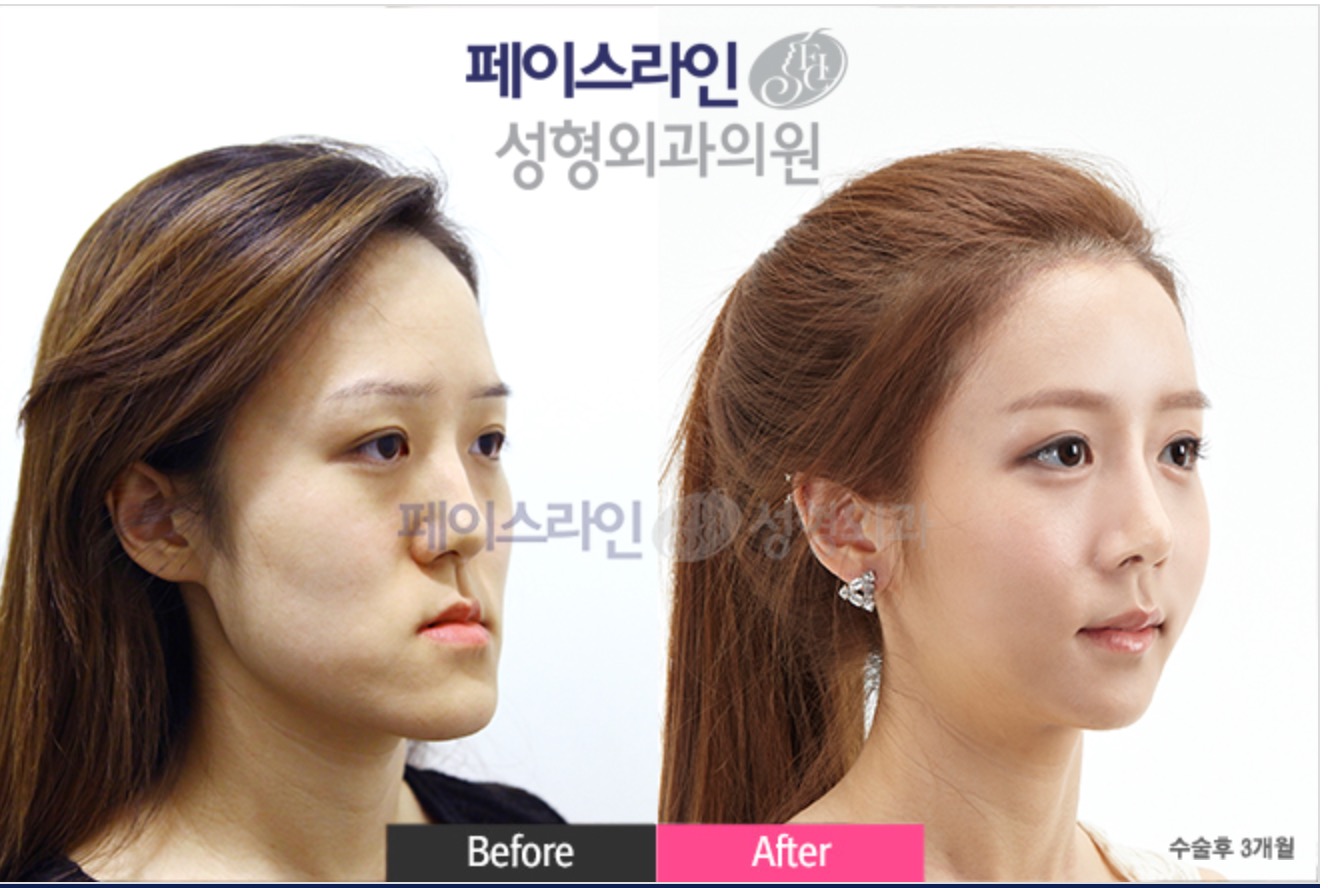
Free Consultation — Contact Us Now
Bimaxillary osteotomy is one of the most effective ways to transform facial contours, but it also requires the most professional medical team. Contact Face-Line through BeautsGo for a free consultation and personalized surgical plan.
立即咨询,获取免费面诊评估
添加我们的专业顾问,获取个性化手术方案和费用评估

微信咨询

LINE咨询

小程序咨询
*Prices are 2026 reference prices for Seoul Gangnam district, including BeautsGo translation and concierge services. Actual prices vary depending on the surgical plan and are subject to the in-person consultation quote.