 BeautsGo
After Ultherapy, you may see little change in the mirror, or notice an initially sharper jawline that looks less defined a few days later. Should you wait or request more treatment lines? Results should not be judged on the day alone. A review at about 2–3 months is a useful milestone, and further changes may develop over subsequent months. However, worsening pain, facial weakness or new hollowing needs assessment rather than simply waiting for results.
1. Why does no immediate change not necessarily mean treatment has failed?
Ultherapy focuses ultrasound energy at selected tissue depths to stimulate subsequent collagen remodeling. This takes time; it does not add volume immediately as filler does. Early tightness is not the final result, and a lack of visible change on the day is not, by itself, a reason for immediate additional treatment.
First, clarify the original concern. If the goal was to tighten mildly lax tissue along the jawline, judging success only by whether deep nasolabial folds disappear may miss that goal. Before treatment, define the intended change precisely rather than setting a vague target such as looking ten years younger.
Understanding the plan: what do 1.5, 3.0 and 4.5 mm transducers target?
The number specifies nominal focal depth, not needle length or a ranking of treatment quality. Ultherapy delivers focused ultrasound through the skin surface. Different transducers focus at different depths. Selection should follow assessment of tissue thickness and target layers on ultrasound imaging, rather than a preset package based only on the name of a facial area.
① Transducers and tissue layers: three nominal depths
| Nominal depth and common models | Usual treatment targets | Misconceptions to avoid |
|---|---|---|
| 1.5 mm: DS 10–1.5 | Relatively superficial dermal targets, considered for superficial fine lines, texture and skin tightening. Suitability depends on the actual position of the dermis. | This is not an eyelid-treatment transducer. It is not automatically needed across the entire face. |
| 3.0 mm: DS 7–3.0 | Often considered for deeper dermal and adjacent tissue targets. In a thinner area, this depth may already correspond to deeper supporting structures. | Do not assume that 3.0 mm always means deep dermis. Facial appearance alone cannot establish tissue depth. |
| 4.5 mm: DS 4–4.5 / DS 7–4.5 | Often considered for deeper supporting tissues. Facial and neck plans may discuss the SMAS (superficial musculoaponeurotic system), related fascia or platysma layers. | A 4.5 mm focus does not automatically coincide with the SMAS, and this is not a dedicated fat-dissolving transducer. Imaging must establish where the intended layer lies. |
DS 4–4.5 and DS 7–4.5 share a nominal depth but are different transducers. The first number—4, 7 or 10—describes frequency; the final number—1.5, 3.0 or 4.5—describes focal depth. A 7 does not mean 7 mm. Models marked N, such as 1.5N and 3.0N, have a narrower contact area without changing their nominal focal depth.
② Choosing by area: consider both the goal and local tissue thickness
| Area of concern | How to discuss transducer selection | Important limits |
|---|---|---|
| Cheeks, lower face and jawline | Plans commonly consider 3.0 and 4.5 mm treatment at different layers. Adding 1.5 mm for superficial texture concerns requires a separate assessment of dermal depth and the intended goal. | Thickness varies across the face. All three depths should not be applied automatically to every area. Hollowing and laxity require different assessments. |
| Under-chin and neck laxity | Distinguish skin laxity from fat and deeper structures, then assess whether 3.0 or 4.5 mm matches the target. Superficial treatment also needs a clear rationale. | A neck treatment does not cover the whole front of the neck. The thyroid gland, thyroid cartilage, trachea, and major vessels and nerves must be avoided. |
| Brow and forehead lifting concerns | Thin tissue close to bone and the orbit requires localized planning based on imaging and permitted treatment areas. The cheek treatment plan cannot simply be copied. | Brow lifting does not mean treating eyelids or under-eye bags directly. Treatment must avoid the eyes, eyelids and areas within the orbital rim. |
| Fine lines around the mouth, a thin face or localized hollowing | Determine whether the problem is dermal fine lines, volume loss or soft-tissue laxity. If the intended target is superficial dermis, assess whether 1.5 or 3.0 mm actually matches that layer. | Superficial treatment cannot replace missing volume, and deeper treatment is not automatically a facial-slimming treatment. Dissatisfaction alone is not a reason to add deeper coverage. |
This table explains treatment planning; it is not an operating map. Actual treatment areas must follow locally authorized uses and device instructions, with decisions made by a trained clinician using imaging. Nominal depth and anatomical layer are not interchangeable.
③ Why does image-guided selection differ from using one depth everywhere?
At 3 mm below the surface, different people—and different areas of one person’s face—may have different tissues. Visualization helps confirm target depth and transducer contact, and helps avoid non-target structures such as bone. A plan should explain the intended layer and transducer choice for each area, not merely a total line count. Some patients suit multilayer treatment; others should not receive a particular depth just to complete a three-layer package.
- Which areas are actually lax, and which concerns come from hollowing or fat?
- After reviewing the images, which depth and tissue layer will you target in each area?
- How will the quoted treatment lines be divided among areas and depths, and which areas will be left untreated?
- Why are only two transducers proposed, or why is deeper treatment unsuitable for a particular area?
Without a clear original goal and record of the areas treated, waiting until day 90 may still leave results difficult to judge. Keep the area and depth plan, then compare photographs taken under consistent conditions to decide whether changes are still developing or the plan needs reassessment.
2. From treatment day to later months: what should you monitor?
Observe reactions before judging results
Redness, mild swelling or tenderness may occur. Follow the clinician’s advice about daily activities. Usually requiring little downtime does not mean everyone has no reaction. Keep photographs from the day, but do not treat them as a substitute for later assessment.
Check whether discomfort is easing
Record the location, symptoms and their course rather than repeatedly pressing hard to test the area. Contact the treating clinician for pronounced, persistent or worsening symptoms. Do not assume all pain or numbness means collagen is developing.
Arrange a documented results review
Compare frontal, oblique and profile views with the pretreatment photographs and revisit the original areas of concern. This is a checkpoint for changes and next steps, not a promise of identical improvement for everyone by day 90.
Observe further changes and reassess the plan
Some people continue to see changes. If the goal remains unmet, reassess suitability, the areas actually treated and the original plan instead of automatically purchasing the same line count again. Duration of benefit varies, and there is no universal month when everyone must repeat treatment.
These are general observation milestones, not an individual recovery guarantee. Tell the clinician about previous fillers, threads and other energy-based treatments. A combination plan cannot simply use the recovery expectations for Ultherapy alone.
3. How can comparison photos avoid the pitfalls of selfies?
Keep photography conditions consistent
Use the same lens, distance, lighting and background where possible. Turn off beauty and facial-slimming filters. Keep head position, chin angle and expression similar. A close wide-angle selfie cannot reliably be compared with a more distant clinical photograph to judge facial width.
Record other changes that affect interpretation
Note the date, significant weight changes and any fillers, botulinum toxin, Thermage or other treatments received in the interval. A combined outcome cannot be attributed entirely to Ultherapy.
4. Still dissatisfied after 3 months: should you repeat treatment?
Do not schedule additional treatment solely because you are dissatisfied. Identify the unmet goal first. Bring your treatment record and before-and-after photographs, and clarify these three questions at review.
| Review question | What needs to be clarified |
|---|---|
| Was the original concern actually laxity? | Excess skin, volume loss, fat accumulation and skeletal contours are different concerns. Ultherapy is neither skin-removal surgery nor a replacement for filler when volume is needed. |
| Which areas were actually treated? | Check the areas, distribution of treatment lines, depths and any accompanying procedures. A total line count does not show that every area was covered. |
| What is the next goal? | Should you keep observing, consider a different approach for the remaining concern, or repeat treatment after assessment? Ask for the rationale rather than treating more lines as inherently better. |
Tissue thickness and fat distribution affect planning. If the face is already thin or hollow, further slimming should not be the default goal. New hollowing needs assessment before another injection is used to mask it. The related guide explains why 300 Ultherapy lines can produce different results. Why results differ with 300 Ultherapy lines
5. If Ultherapy falls short, should Thermage be added?
Not necessarily. Ultherapy uses focused ultrasound; Thermage uses radiofrequency. Each part of a combination should have a distinct purpose. A second device is not an automatic remedy for disappointment with the first. Ask why the combination is proposed, which areas it targets and why sessions are combined or separated.
6. Choosing a clinic in Korea: match the plan to the concern
MELAB Clinic: distinguish tightening from volume correction
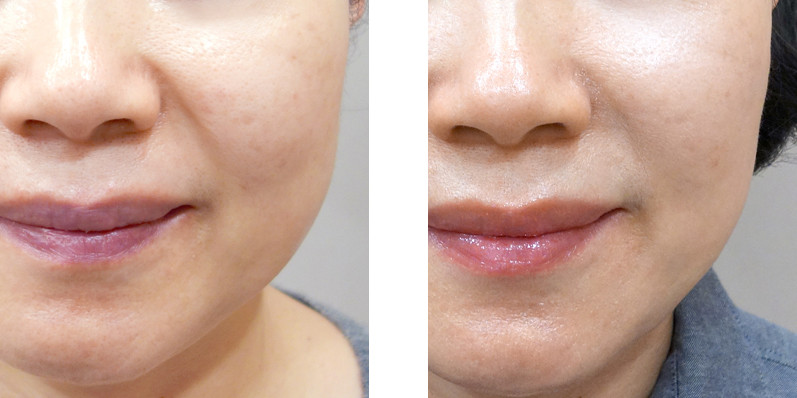
MELAB offers Ultherapy, contour injections and fillers. If cheeks seem mildly droopy and nasolabial folds appear deep, ask the clinician to distinguish laxity from volume loss: which areas might Ultherapy improve, and which concerns will not be solved by more treatment lines? The case shown here is labeled Ultherapy; effects of other injectable treatments are not being combined with it.
RERA Clinic Cheongdam: compare single and combined treatments separately
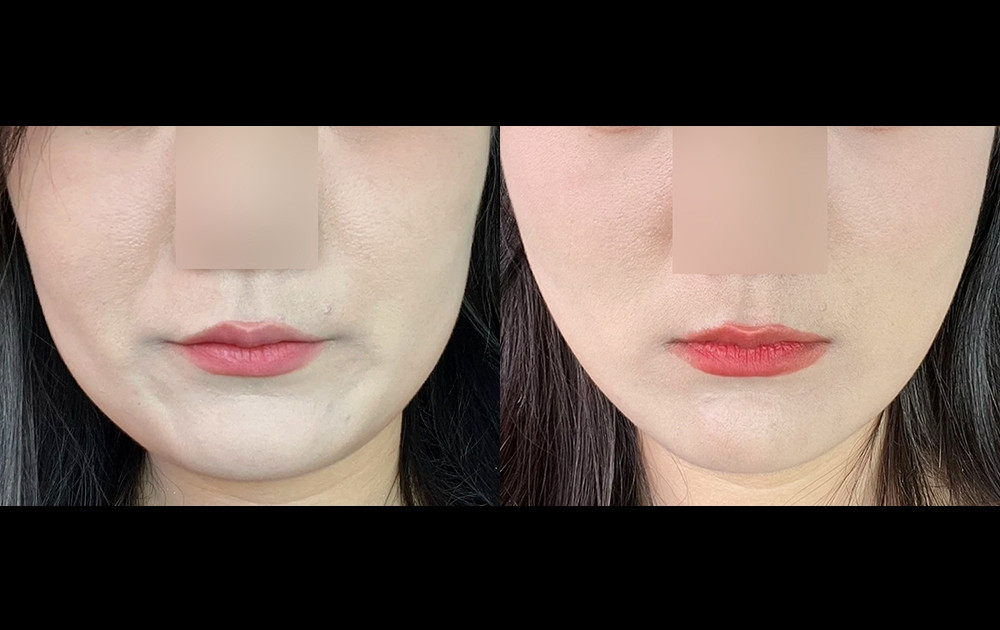
RERA’s lifting options include Ultherapy and Thermage, with examples of both single and combined approaches. Ask for each procedure’s purpose, area and review schedule. Check whether a comparison photograph includes other treatments before judging it as evidence for a single procedure.
Liftique Dermatology: understand the area behind a 300-line example
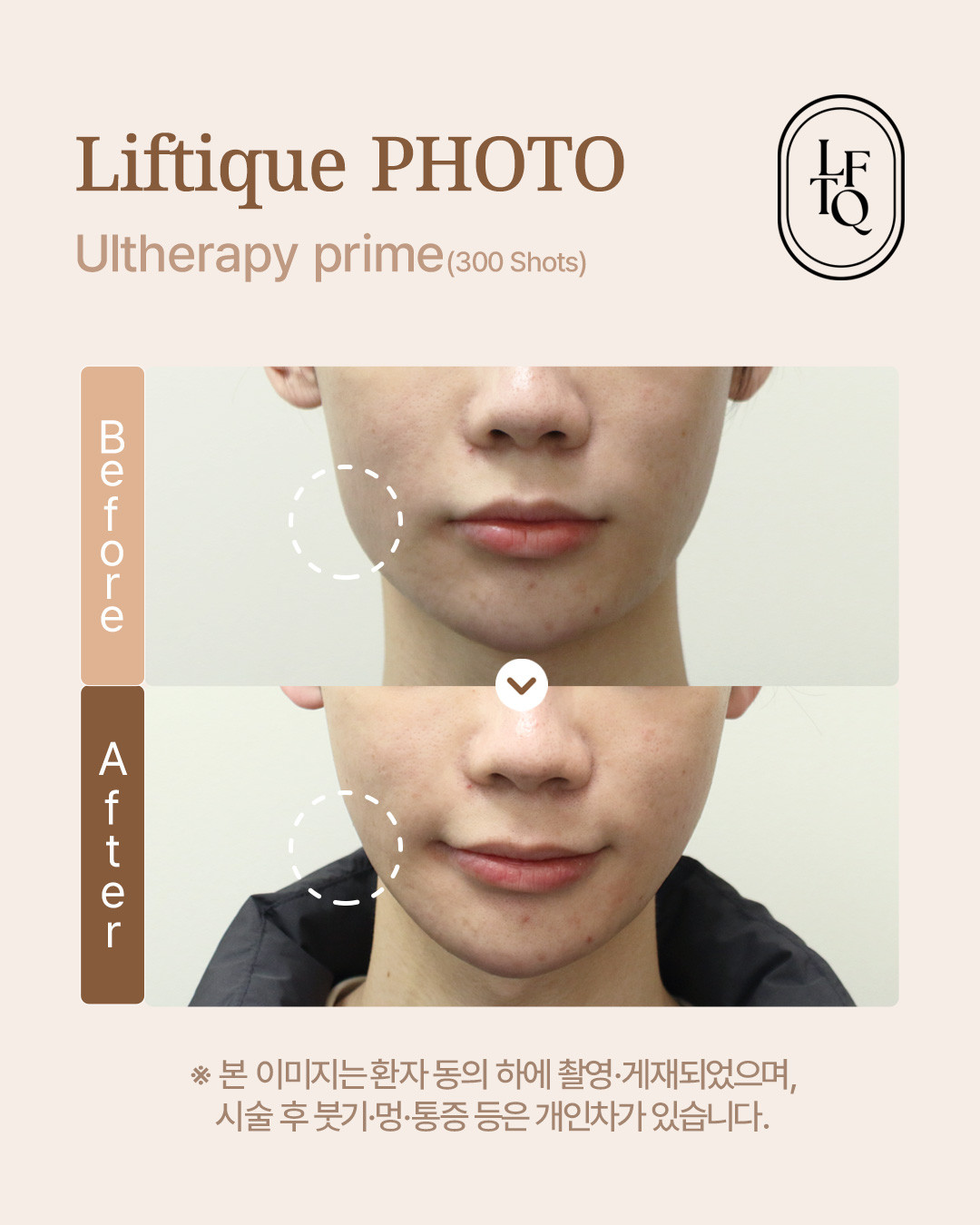
If comparing Ultherapy PRIME 300-line plans, discuss both the target areas and line distribution. The case below specifies 300 lines, but it cannot establish another person’s required coverage, line count or expected result. Your own pretreatment photographs and goals remain the basis for review.
Youth Clinic Cheongdam: clarify the goals of combination treatments
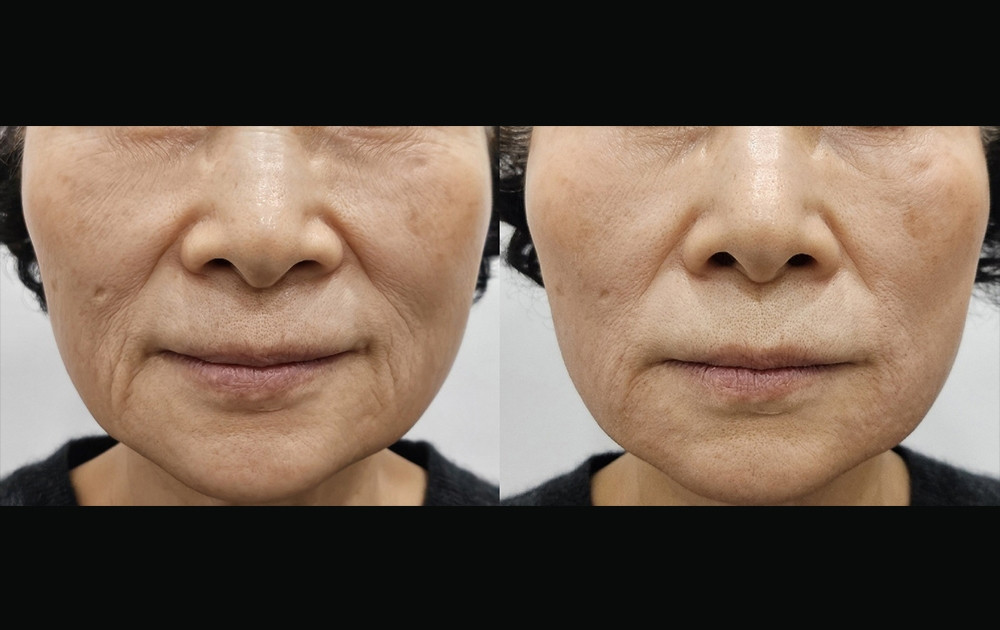
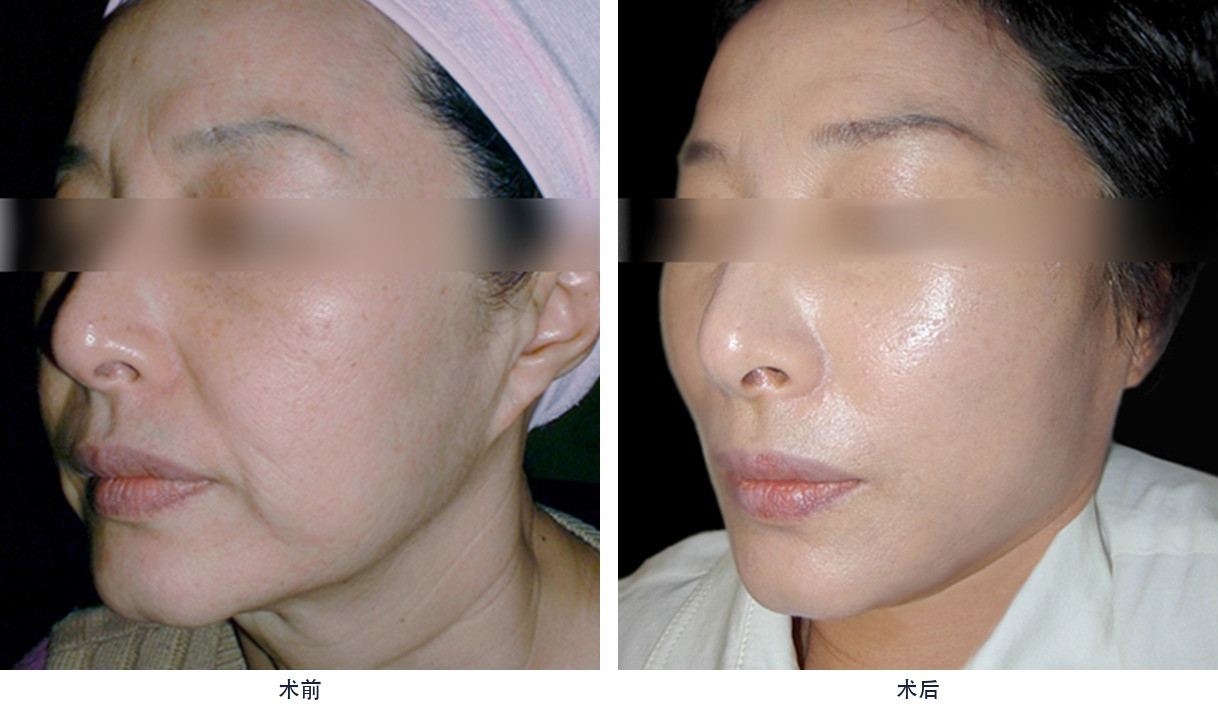
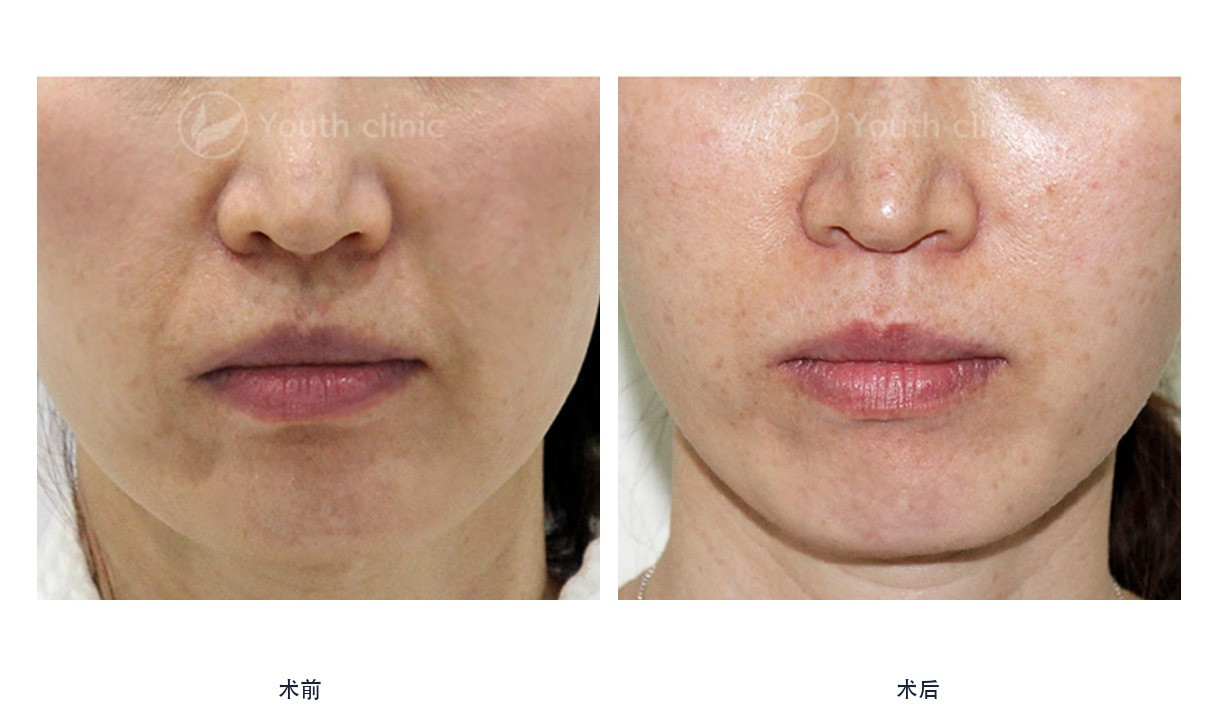
Both cases below combine Ultherapy with ATOS laser. Ask how tightening, contour and texture concerns are addressed, and what each procedure contributes to the plan and recovery. The overall outcome does not establish the effect of Ultherapy alone.
Heal House Dermatology Gangnam: distinguish laxity from facial-shape concerns
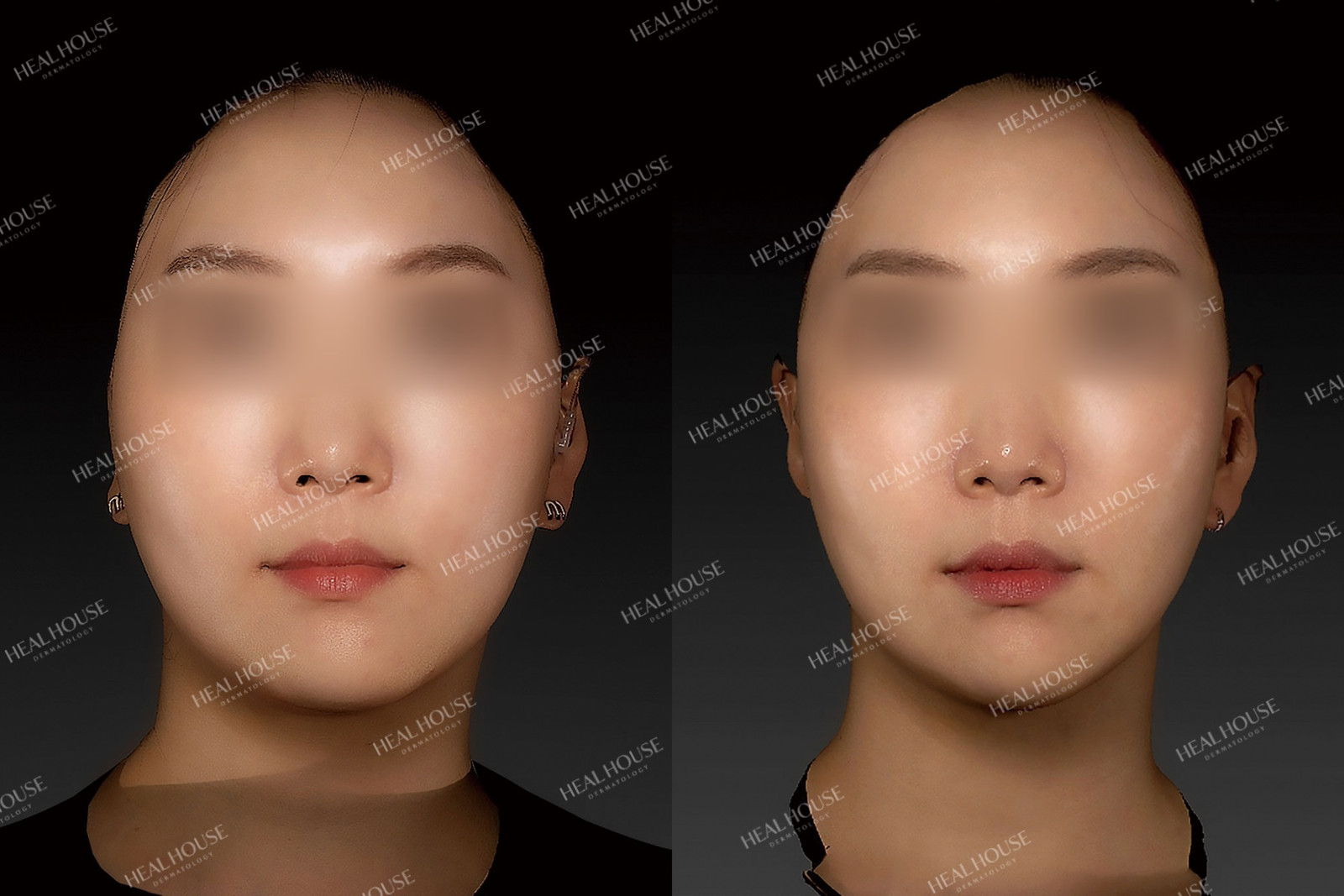
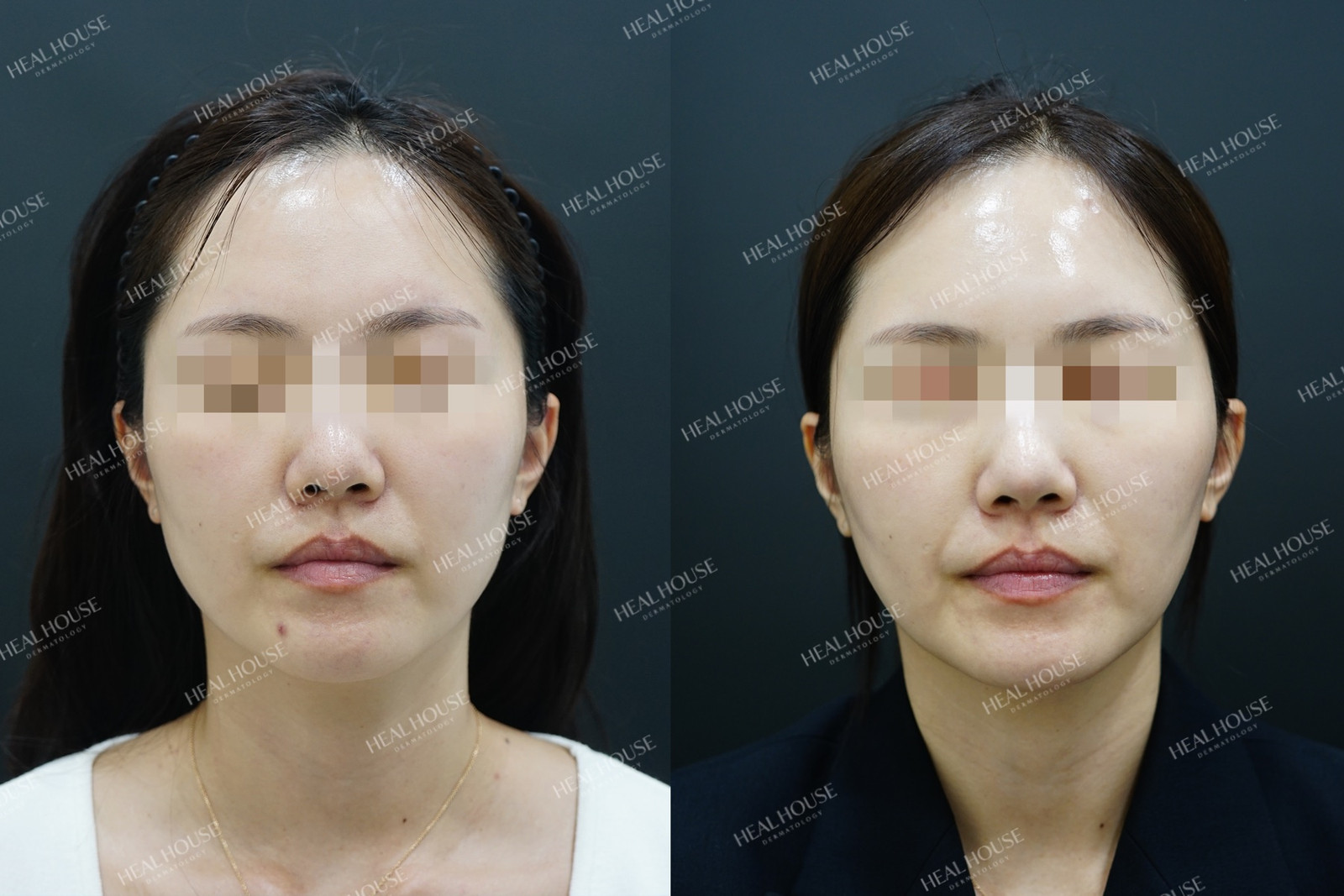
If your concern is a smaller-looking face rather than laxity alone, ask for separate assessments of contour, volume and tightening. The following Heal House small-face contouring cases illustrate a different treatment goal. They are not Ultherapy-only comparisons and do not demonstrate its results timeline. A change in facial shape cannot establish the device used, treatment line count or your own suitability.
7. What does a 300-line quote actually include?
ALIVE Clinic Banpo’s November anniversary offer lists Ultherapy PRIME, 300 lines, at KRW 1,140,000, with VAT charged separately. The stated promotion runs from November 1 to 30. Offers may change; confirm the current price with BeautsGo before booking. ALIVE Clinic Banpo
The quote identifies the device and total line count. It does not establish full-face-plus-neck coverage or inclusion of sedation. Confirm the following before booking.
- Which facial areas are included, and whether the under-chin area or neck is included.
- How the 300 lines are distributed, which depths are planned and whether imaging findings change the plan.
- Whether anesthesia, pain control, taxes or other care incur additional charges.
- How follow-up is arranged, whom to contact if symptoms arise after returning home and whether extra charges apply.
Two 300-line offers may cover different areas and services. Do not compare the total price alone, and do not let a promotion replace an assessment of suitability.
8. Frequently asked questions
Does no immediate effect mean the treatment missed its target?
Not necessarily. Changes take time. Review the original goal and treatment record, then attend the planned follow-up. No visible change on the day alone does not justify immediate retreatment.
Does more pain or swelling mean a better result?
No. Pain and swelling do not measure effectiveness. Sensation varies with the area and individual tolerance. Worsening pain needs clinical advice; do not endure abnormal reactions in pursuit of results.
Can I repeat Ultherapy as soon as 3 months have passed?
Three months is a review milestone, not a universal retreatment date. Assess the remaining concern and previous coverage before deciding whether and when another treatment is appropriate.
Should I wait 3 months if I notice facial hollowing or weakness around the mouth?
Do not wait. Contact the treating clinician promptly for new hollowing, facial or mouth weakness, clear asymmetry, or persistent worsening numbness or pain. Blisters or suspected burns also need prompt care. Sudden vision or speech changes require immediate medical attention.