
Before comparing rhinoplasty prices in Korea, distinguish a first operation from surgery using your own rib cartilage and revision surgery. The materials, surgical work and terms of each quote differ; an advertised starting price is not a like-for-like comparison.
Rhinoplasty prices in Korea: a budget guide
| Procedure | Reference range (KRW) | What to confirm |
|---|---|---|
| Primary rhinoplasty: septal or ear cartilage, implant-free or combined approaches | 1,450,000–3,200,000 | Materials for the bridge and tip; anesthesia, medication, VAT and follow-up |
| Autologous rib cartilage rhinoplasty | 3,300,000–5,200,000 | Rib cartilage harvesting and chest wound care; additional bone reshaping, alar reduction or functional surgery |
| Revision rhinoplasty | 2,700,000–4,800,000 | Removal of previous implants, capsule management, cartilage reconstruction and material costs |
| Contracted nose, multiple revisions or complex reconstruction | A written quote after an in-person assessment | Previous operations, infection history, skin tension, available cartilage and functional reconstruction |
These ranges come from Korean publicly advertised treatment and promotional prices compiled in 2026. They are not uniform clinic fees or identical packages. Bone reshaping, alar reduction, septal correction, sedation, materials, revision work and VAT can change the total. Compare the same surgical scope, materials and surgeon, with all taxes included.
Why can two rhinoplasty quotes differ so much?
Bridge-only surgery is different from a procedure that also changes the tip, reshapes bone, reduces the nostril base or removes an old implant. Promotions may be limited to particular doctors, dates or eligibility criteria. Ask separately about materials, anesthesia, tests, medication, VAT, interpreting and follow-up. Clarify which postoperative care is included and which services cost extra.
Choosing a procedure: bridge, tip, nostrils or revision?
Bridge: implants and cartilage are not simply lower- and higher-tier options. Skin thickness, existing anatomy, available tissue and previous surgery affect the choice. Ask separately about the bridge material and tip support.
Tip: surgery may involve suturing, cartilage grafting and structural support. Septal, ear and rib cartilage have different roles; a photograph or a complaint about a large tip cannot determine the right material on its own.
A wide nostril base or crooked nose requires a different assessment from a low bridge. Mention nasal blockage or breathing difficulties during consultation, not just appearance.
Revision: bring your previous operative notes and material details. Existing implants, cartilage, scars and remaining tissue affect the plan; a primary-rhinoplasty promotion is not a reliable revision estimate.
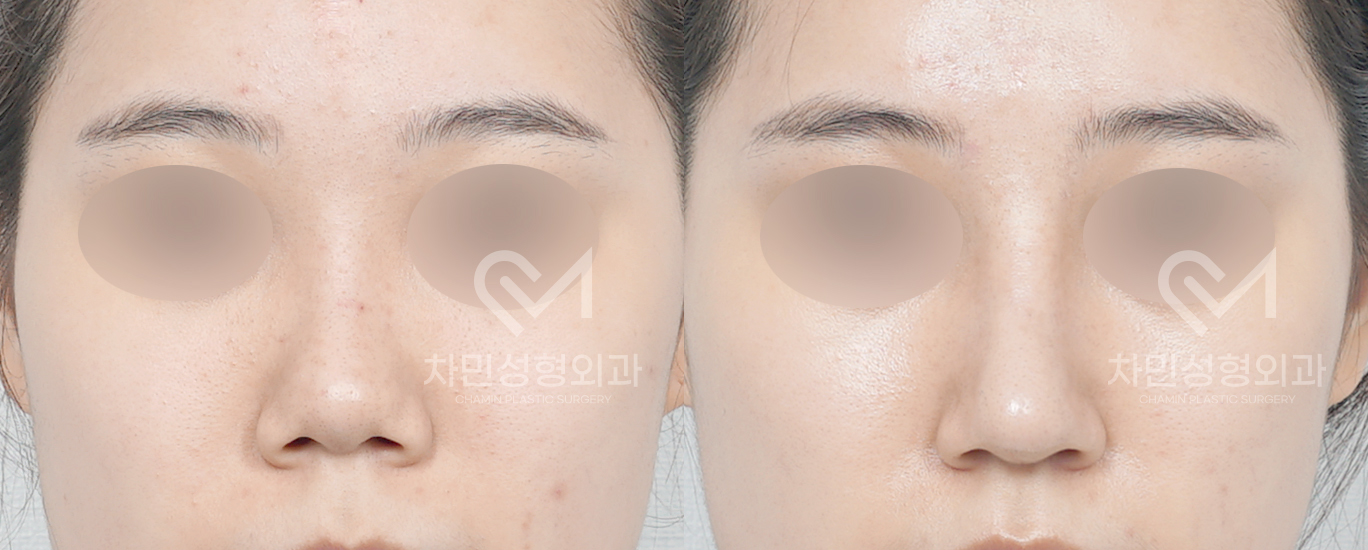
Compare septal, ear, autologous rib and donor rib cartilage
Recovery and planning your trip home
Removing stitches or a splint is not the same as full recovery. Early swelling generally settles over several weeks, while refinement can take around a year. Plan follow-up, activity restrictions and travel with the surgeon; rib cartilage harvesting also involves recovery at the chest donor site. Discuss anesthesia, infection, scarring, breathing changes and the possibility of further surgery. A “small adjustment” is not risk-free.
Frequently asked questions
Does a comprehensive nose job include the bridge, tip and nostrils?
No. The term describes a combination of procedures, not a standardized package. Request an itemized plan.
Can nose filler replace alar reduction or revision surgery?
No. Filler and structural surgery have different capabilities. Nasal filler also carries vascular risks, so claims of “no downtime” or “no risk” should not guide your decision.
Why is there no fixed total in my home currency?
Exchange rates change and an advertised fee may not include all services. Obtain a complete quote in Korean won, including tax, before converting it at the applicable payment rate.
Preparing for a consultation
Explain whether this is your first operation or a revision, previous procedures and materials, what you want to change, any breathing concerns, your dates, available recovery time and budget. Use the contact options below and mention “rhinoplasty budget.” The surgical plan requires a doctor’s examination.