
Why Safety Should Be Your #1 Priority
South Korea is the undisputed global leader in cosmetic surgery, home to some of the most skilled and innovative surgeons on the planet. But this world-class reputation has a dark side: it attracts patients who assume every Korean clinic is equally safe and qualified. This assumption can be dangerous.
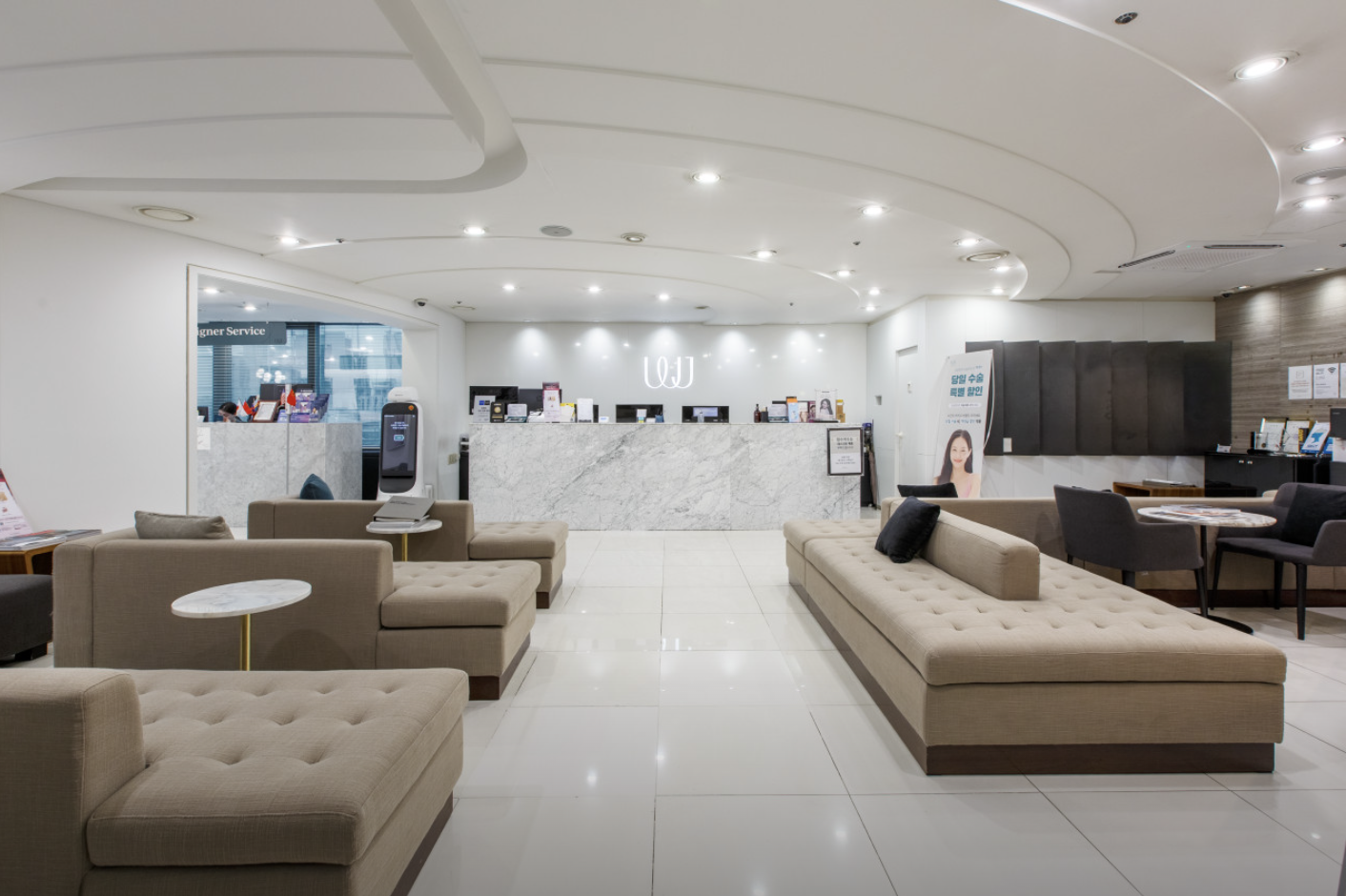
According to the Korea Consumer Agency (KCA), medical tourism-related complaints from foreign patients increased by approximately 40% between 2023 and 2025. The most common issues reported include:
- ❌ Results drastically different from what was promised — vague “before/after” guarantees that don’t match reality
- ❌ Ghost doctor substitution — a different (often less qualified) surgeon performs the actual operation
- ❌ Broker commissions of 50-70% — inflating costs and compromising surgical quality
- ❌ No post-operative follow-up — complications ignored once the patient leaves Korea
Understanding Korea’s Medical Credential System
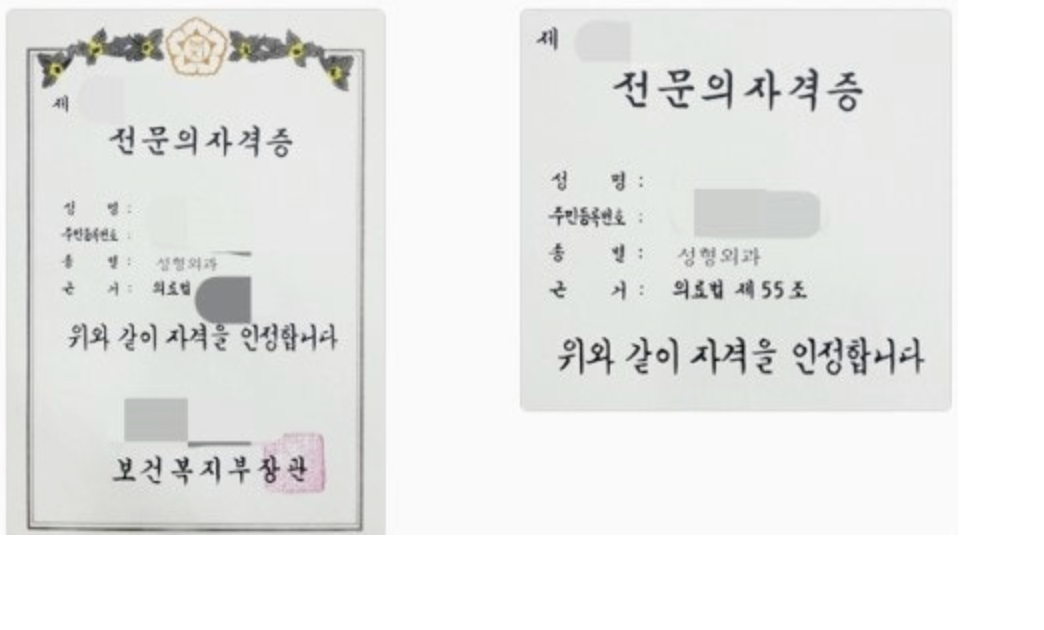
Before choosing a surgeon, you must understand how Korea’s medical licensing works. There are critical differences between credential levels that most foreign patients are completely unaware of:
Clinic Accreditation Systems
Beyond individual surgeon credentials, verify the clinic’s institutional accreditation:
🏥 JCI Accreditation
Joint Commission International — the global gold standard for healthcare quality and patient safety. JCI-accredited Korean hospitals undergo rigorous evaluation of their surgical procedures, infection control, patient rights, and emergency protocols.
🇰🇷 Government-Designated Medical Institution
The Korean Ministry of Health and Welfare certifies clinics specifically authorized to treat foreign patients. Check the official VisitMedicalKorea.com portal to confirm a clinic’s government designation status.
📋 KHA Certification
The Korea Institute for Healthcare Accreditation conducts the most authoritative domestic evaluation of medical institutions, assessing clinical quality, safety management, and patient care standards.
⚠️ Ghost Doctors: The Biggest Hidden Danger
The “ghost doctor” (影子医生 / 대리수술) phenomenon is arguably the most serious safety risk in Korean cosmetic surgery. Understanding how it works is essential for protecting yourself.
What Exactly Is a Ghost Doctor?
A ghost doctor is a substitute surgeon who performs all or part of your operation without your knowledge or consent. Here’s the typical scenario:
You meet Dr. A — a well-known, experienced plastic surgeon. He examines your face, discusses your goals, and presents a detailed surgical plan. You feel confident and book the surgery.
On surgery day, you go under general anesthesia. Once unconscious, Dr. A leaves the operating room. Dr. B — someone you have never met, who may have less experience or different qualifications — performs your actual surgery.
When you wake up, Dr. A reappears for your post-op check. You never know that a different person operated on you. The clinic staff are instructed to maintain the illusion.
If complications arise, Dr. A may deny responsibility because he didn’t actually perform the surgery. You have no documentation of who operated on you. Legal recourse becomes extremely difficult.
Why Ghost Doctors Exist
How to Protect Yourself from Ghost Doctors
- ✅ Get a written surgical agreement that explicitly names the operating surgeon and states they will perform the entire procedure
- ✅ Request CCTV recording in the operating room — Korean law permits patients to request this
- ✅ Choose owner-operated clinics where the consulting surgeon is also the clinic owner — they have the most incentive to personally operate
- ✅ Have a companion record your entry and exit times from the operating room, and note who enters/leaves
- ✅ Ask the surgeon directly on the day of surgery: “Will you personally perform my entire operation from start to finish?” — and have your interpreter present as a witness
Broker & Agent Scams: The Commission Trap
Many international patients discover Korean plastic surgery through social media “influencers,” medical tourism agencies, or friendly “consultants” who offer to arrange everything — consultations, translation, airport pickup, hotel booking. It all seems incredibly helpful. But behind this convenience lies a hidden cost structure that can directly compromise your surgical outcome.
How the Commission System Works
When a broker refers you to a clinic, the clinic pays the broker a commission of 30-70% of your total surgery fee. This is not disclosed to you.
Example: Your rhinoplasty costs ₩7,000,000 (~$5,200 USD). The broker receives ₩2,100,000–₩4,900,000 as commission. The clinic keeps only ₩2,100,000–₩4,900,000 to cover the surgeon’s fee, operating room, anesthesia, materials, nursing staff, and facility costs.
The inevitable result: To maintain profitability after paying these massive commissions, clinics cut corners — cheaper implant materials, less experienced surgeons, shortened procedure times, or reduced post-operative care.
Red Flags of a Scam Broker
- 🚩 Only recommends specific clinics and refuses to let you explore alternatives
- 🚩 Acts as your only communication channel — won’t let you speak directly with the surgeon
- 🚩 Claims exclusive “discounts” that you can’t verify by contacting the clinic independently
- 🚩 Poses as a “former patient” on social media (Xiaohongshu, Instagram, YouTube) sharing suspiciously glowing reviews
- 🚩 Requires large non-refundable deposits before you’ve even visited the clinic
- 🚩 Pressures you to decide quickly — “this special price is only available today”
How to Verify a Surgeon & Clinic — Step by Step
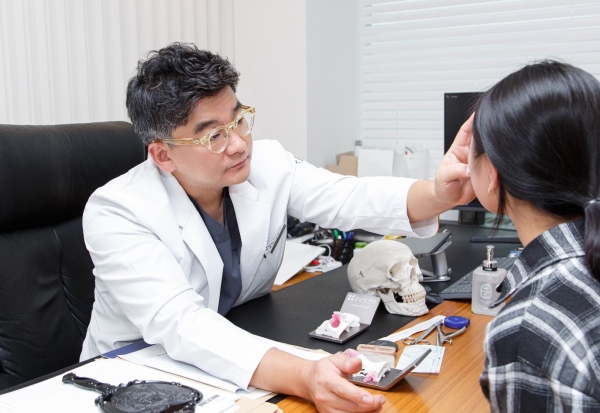
Visit the Korean Society of Plastic and Reconstructive Surgeons (KSPRS) official website. Search for your surgeon’s name. Only doctors listed as 성형외과 전문의 have completed the required 4-year plastic surgery residency. Also cross-check on the Korean Ministry of Health and Welfare’s physician verification system.
Search for the clinic on VisitMedicalKorea.com to confirm government certification for treating foreign patients. Check for JCI accreditation or KHA (Korea Institute for Healthcare Accreditation) certification.
The agreement must include: the full name of the operating surgeon, detailed surgical plan, materials and implant brands to be used, revision policy, and post-operative care commitments. Use a KIPSA-certified independent medical interpreter — not a clinic-provided translator who may have conflicts of interest.
Ask to see that specific surgeon’s before-and-after photos for your exact procedure type — not the clinic’s generic portfolio. Search for genuine patient reviews on Korean plastic surgery forums and communities. Be skeptical of overly polished or edited photos.
After arriving in Korea, visit the clinic in person before committing. Observe the facility’s cleanliness, equipment quality, staff professionalism, and overall atmosphere. Schedule consultations at 2-3 different clinics before making a final decision — never commit to the first one.
Legal Protections for Foreign Patients
Many foreign patients mistakenly believe they have no legal recourse if something goes wrong in Korea. This is not true. Korean law protects all patients regardless of nationality.

Key Legal Points Every Foreign Patient Should Know:
- ⚖️ Korea’s Medical Service Act protects all patients on Korean soil — citizenship does not matter
- ⚖️ In malpractice cases, the burden of proof falls on the medical provider, not the patient
- ⚖️ The pre-surgical consent form is a legally binding document — always keep your signed copy
- ⚖️ You have the right to request all medical records, including surgical notes and imaging
Evidence You Must Preserve
- 📁 All pre-operative test results and imaging (X-rays, CT scans, MRIs)
- 📁 Signed surgical consent forms and fee receipts — keep originals
- 📁 All chat records with the surgeon, clinic, and any broker/agent (screenshots with timestamps)
- 📁 Daily post-operative photos — document your recovery progression every single day
- 📁 Prescription records and all medications provided
✅ The Ultimate Safety Checklist
Use this comprehensive checklist to ensure every aspect of your Korea plastic surgery journey is covered:
Pre-Surgery Preparation
- ☐ Confirmed surgeon is a 성형외과 전문의 on KSPRS website
- ☐ Clinic has JCI, KHA, or government designation for foreign patients
- ☐ Written surgical agreement obtained — naming operating surgeon by full name
- ☐ Independent KIPSA-certified medical interpreter arranged (not clinic-provided)
- ☐ NOT using a high-commission broker — booking directly or through a transparent platform
- ☐ International medical insurance purchased (covering cosmetic procedures)
- ☐ Reviewed the surgeon’s personal before/after portfolio for your specific procedure
Surgery Day
- ☐ Confirmed in person with the surgeon: “You will perform my entire operation?”
- ☐ Requested CCTV recording in the operating room
- ☐ Confirmed the anesthesiologist is a board-certified specialist (마취과 전문의)
- ☐ Companion is recording entry/exit times from the operating room
Post-Surgery Follow-Up
- ☐ All medical records, receipts, and consent forms stored safely (originals + digital copies)
- ☐ Attending all scheduled follow-up appointments before leaving Korea
- ☐ Taking daily recovery photos for documentation
- ☐ Maintaining communication with the operating surgeon after returning home
- ☐ Saved the 1339 hotline number in case of any issues
Why BeautsGo Is Different
BeautsGo was founded specifically to solve the problems described in this article. We are not a broker — we don’t earn commissions from clinics. Here’s what makes us fundamentally different:
- 💎 Zero clinic commissions — our revenue model is based on transparent service fees, not kickbacks from clinics
- 💎 All partner clinics are pre-vetted — we verify surgeon credentials, accreditation status, and patient outcome history before listing any clinic
- 💎 Independent KIPSA-certified interpreters — our translators work for YOU, not the clinic
- 💎 Written surgical guarantees — we ensure every patient receives a detailed agreement naming the operating surgeon
- 💎 Lifetime post-operative follow-up — we stay connected with you long after you return home
Your Safety Is Non-Negotiable
Don’t leave your safety to chance. BeautsGo connects you with verified, board-certified Korean surgeons, provides independent medical interpreters, and protects your interests at every step — with full transparency and zero hidden commissions.
Disclaimer: This article is for informational purposes only and does not constitute legal or medical advice. While every effort has been made to ensure accuracy, laws and regulations may change. Consult with qualified legal and medical professionals for advice specific to your situation. BeautsGo recommends in-person consultations for accurate assessments.