
Planning a pigmentation treatment in Korea? A brown mark is not one diagnosis. Melasma, freckles, solar lentigines, raised lesions and post-acne marks call for different approaches. Work out what the mark is before choosing a device or comparing prices.
Melasma, freckles, sunspots and post-acne marks at a glance
| Type | Typical appearance | What to discuss | Common mistake |
|---|---|---|---|
| Melasma | Patchy brown areas on the cheeks, forehead or upper lip; often influenced by sun exposure and hormones | Sun protection and prescribed topical treatment first; energy-based procedures for selected patients | Treating it like a simple surface spot with repeated high-energy passes |
| Freckles | Multiple small brown spots, often darker after sun exposure | Sun protection and, if wanted, targeted pigment treatment | Assuming a treated freckle can never return |
| Sunspots (solar lentigines) | More persistent, well-defined brown marks on sun-exposed skin | Confirm the diagnosis, then discuss a targeted pigment laser or IPL | Treating an atypical-looking mark without examining it |
| Raised “age spots” | A rough or raised growth may be seborrhoeic keratosis rather than a flat pigment spot | Examination, sometimes with dermoscopy, before considering removal | Buying the same laser package used for flat sunspots |
| Post-acne hyperpigmentation | Flat brown marks left after acne or inflammation | Control new acne, avoid irritation, use sun protection and consider prescribed treatment | Confusing a flat dark mark with a pitted scar |
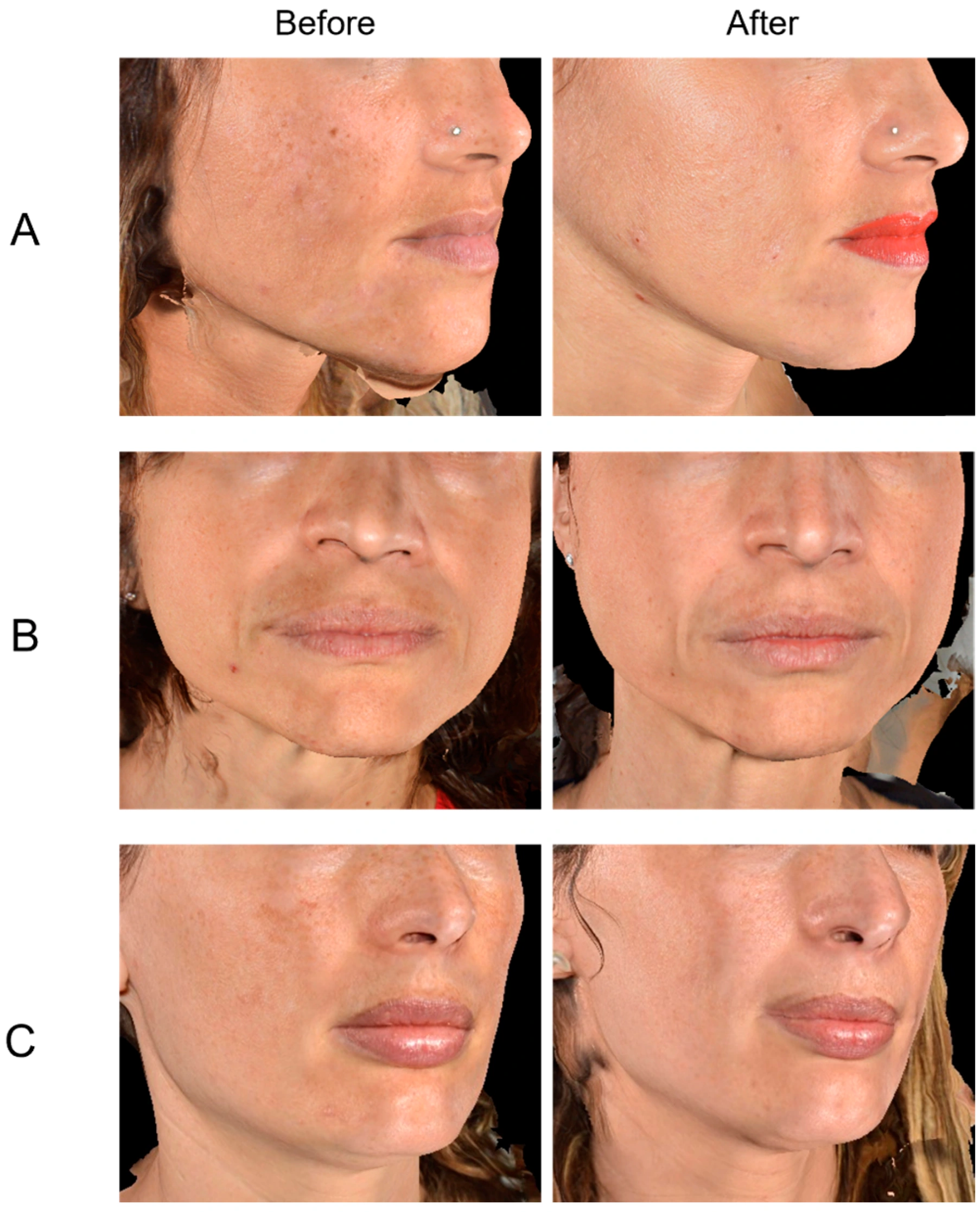
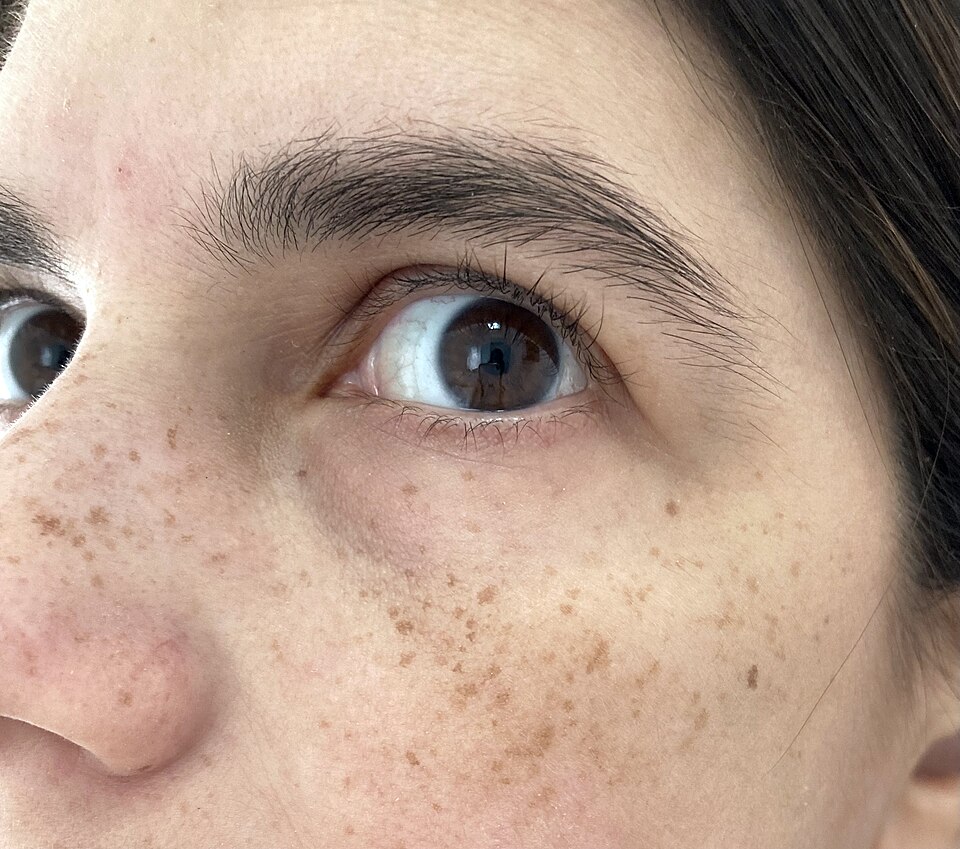
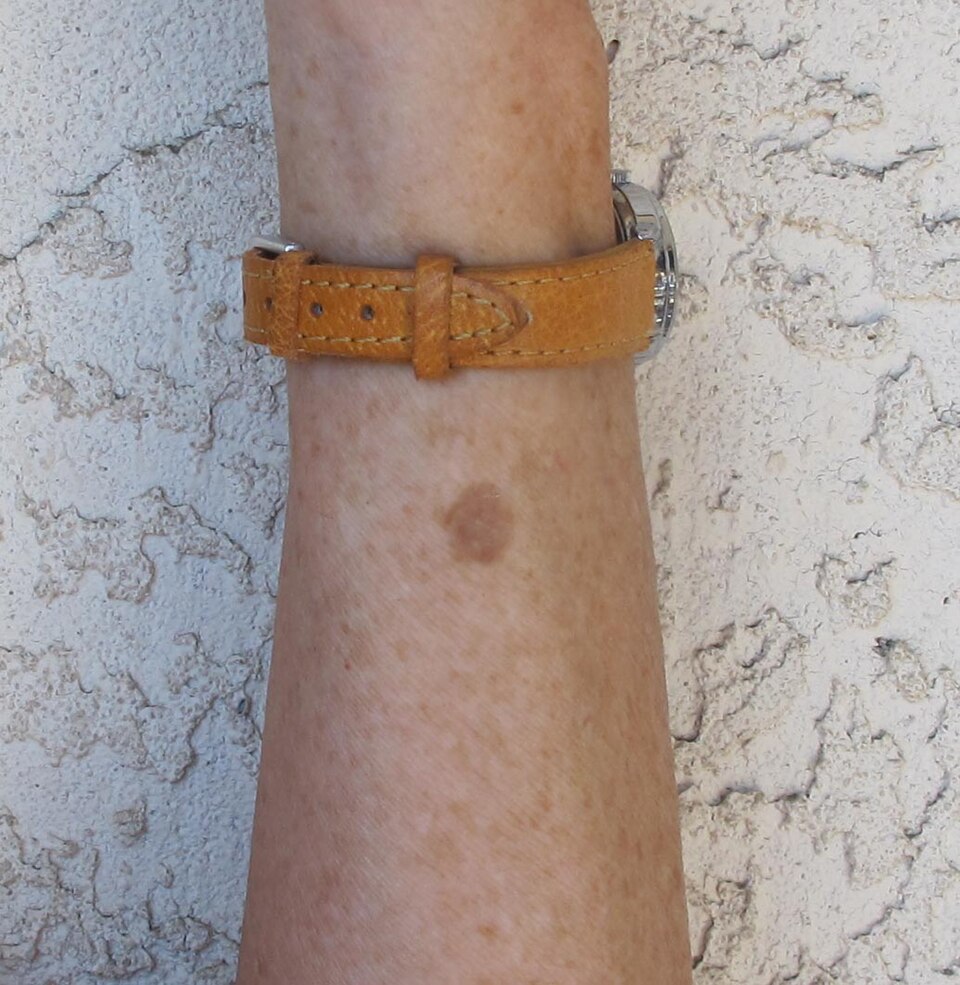
Korean clinic menus may group very different marks under “pigmentation”. A selfie cannot reliably show how deep a lesion is. A dermatologist may use dermoscopy or a Wood’s lamp. If a spot is changing, bleeding, irregular or unlike your other spots, have it assessed before booking cosmetic laser treatment.
Melasma: why one pico session is not a cure
Melasma can recur or darken. Consistent sun protection and doctor-directed topical treatments form the basis of care. A picosecond or Q-switched laser may be an adjunct for some patients, but pigment can rebound or become patchy. Ask why a particular device and treatment interval suit your skin. Broad-spectrum SPF 30+, shade and sometimes a tinted sunscreen containing iron oxides may help. Hydroquinone, retinoids, azelaic acid and oral tranexamic acid should be discussed with a clinician; the oral medicine is not suitable for everyone, especially where clotting risk is relevant. Improvement usually takes months, not one weekend visit.
Picosecond laser: check the actual treatment, not the buzzword
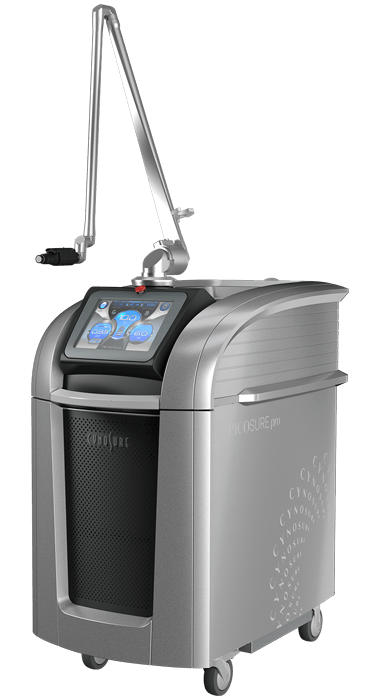
“Pico” describes pulse duration, not a single treatment recipe. A targeted freckle or lentigo session differs from full-face toning. Ask for the full device name, mode, area, number of sessions and aftercare. Higher energy is not automatically better, especially for melasma-prone skin.
Q-switched laser: not simply an older version of pico

RevLite SI is a Q-switched Nd:YAG device with 1064 nm and 532 nm options. The diagnosis determines whether either wavelength, a toning mode or a different approach makes sense. A person with melasma plus post-acne marks may need a different plan from someone with isolated sunspots. Persistent darkening or pale patches after treatment warrant review, not more frequent laser sessions.
REEPOT for distinct sunspots: a targeted approach
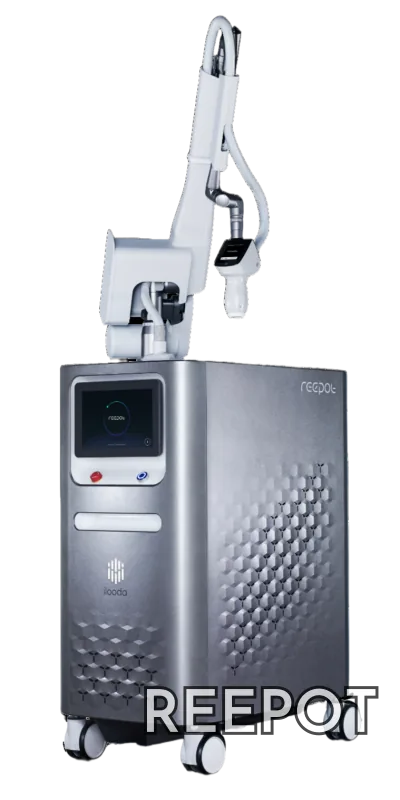
If a dermatologist confirms one or several well-defined solar lentigines, ask whether REEPOT is appropriate. It is designed around individual lesions rather than indiscriminate full-face passes.
- Its 532 nm wavelength targets superficial brown pigment; the area can be mapped spot by spot.
- AutoDerm image guidance helps identify the selected area and guide treatment, but cannot replace a diagnosis.
- Contact cooling and VSLS are device features intended to protect surrounding tissue while targeting pigment.
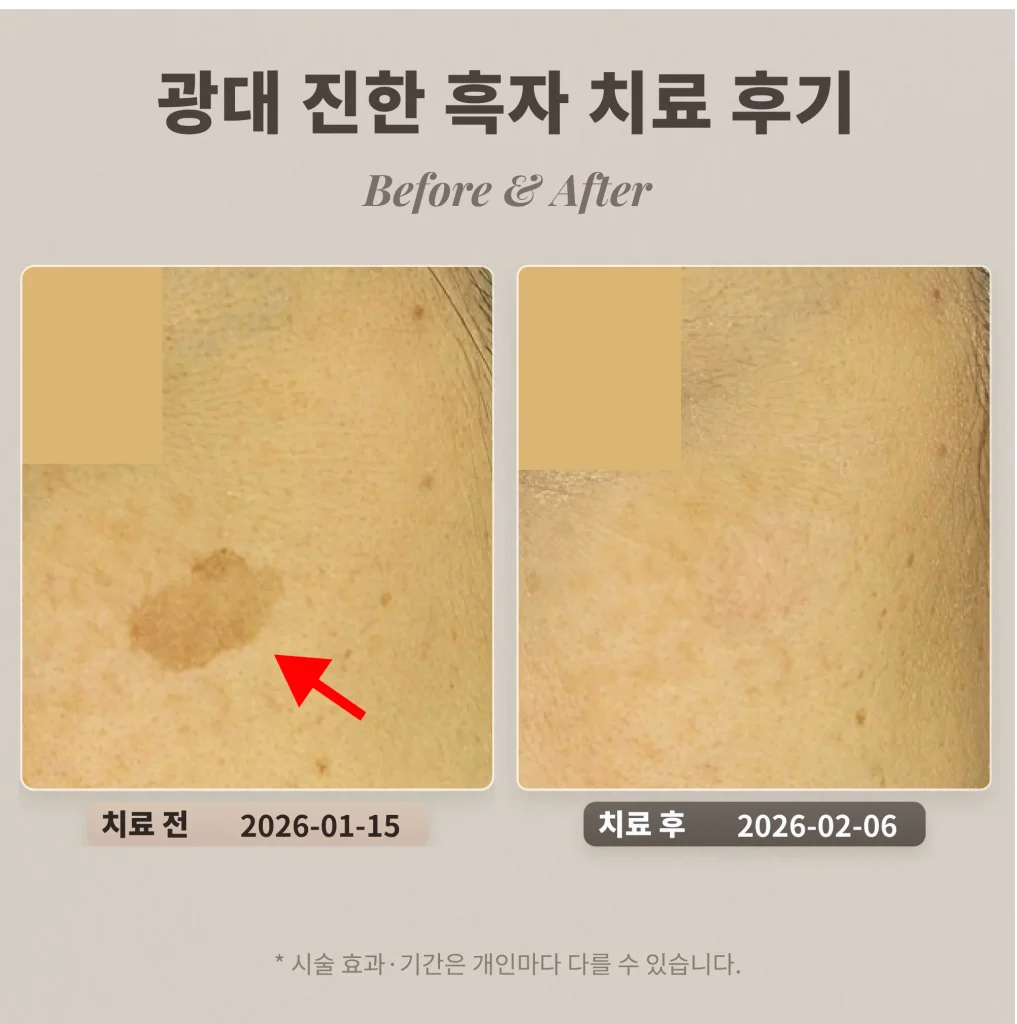
The comparison below is one publicly shown cheek-lesion case, not a promise of the same result for every pigment type.
Cellec V IPL: when spots and redness coexist
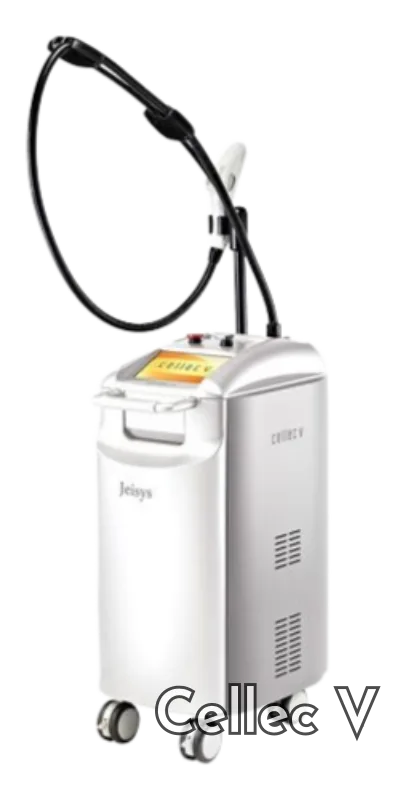
Cellec V uses selectable filters for pigment- or vessel-related settings. It may be worth discussing when superficial spots and redness appear together, but one IPL session is not a universal cure for melasma or visible vessels. Active melasma, a recent tan and a history of post-inflammatory darkening call for particular care. Clarity II and other devices may serve different indications; the diagnosis and settings matter more than the device count.
Pigmentation treatment prices in Korea: compare specifications first
A publicly listed basic pico-toning example starts around KRW 100,000 per session, before VAT. This is not a Korea-wide price or a quote for a different device, a targeted sunspot or a combined melasma plan.
Dermatology consultation options for pigment assessment
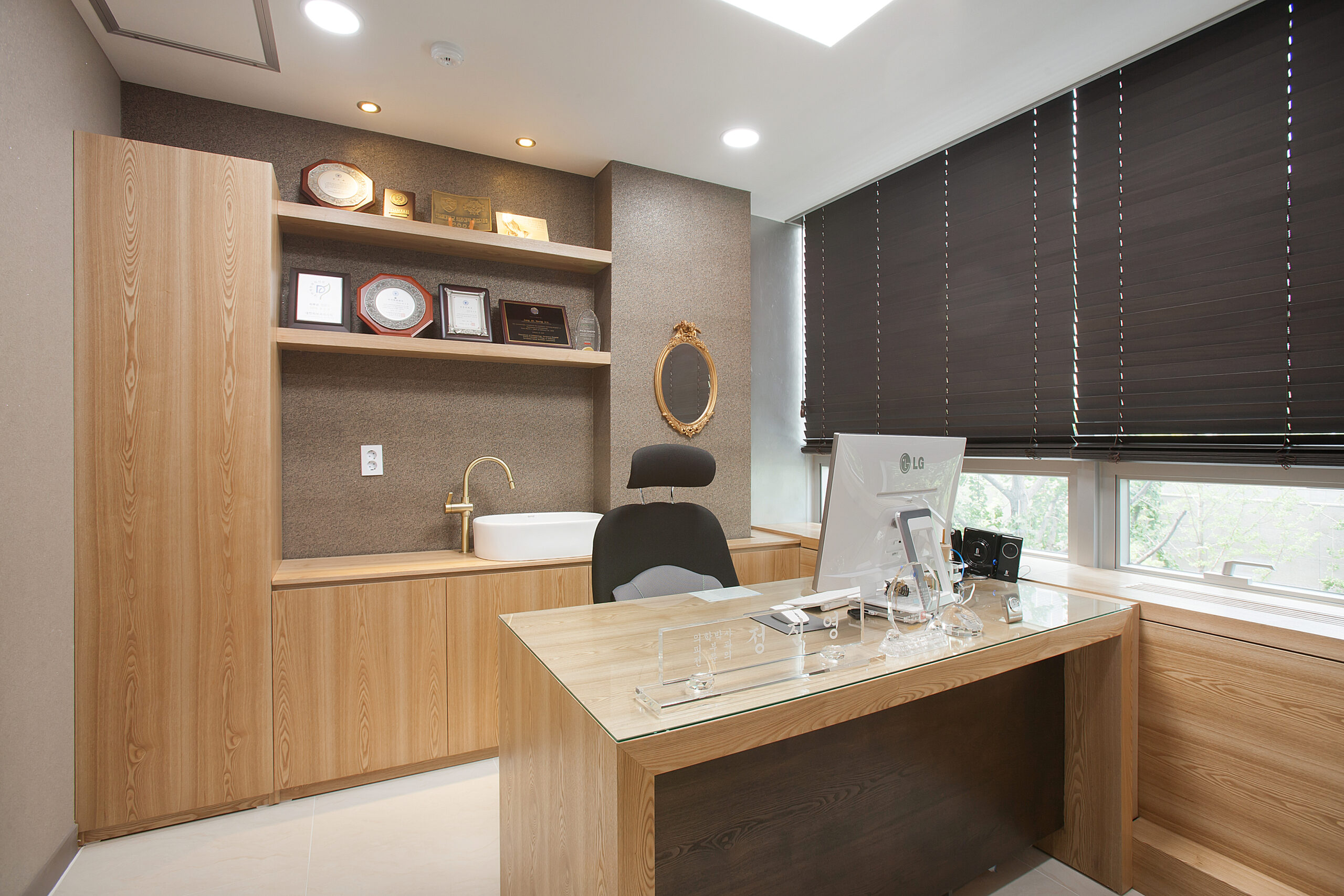
The following clinics publish information on pigment care. Compare how the doctor explains the diagnosis, device choice and follow-up—not just the length of the device list. Interior photos show the setting, not treatment outcomes.
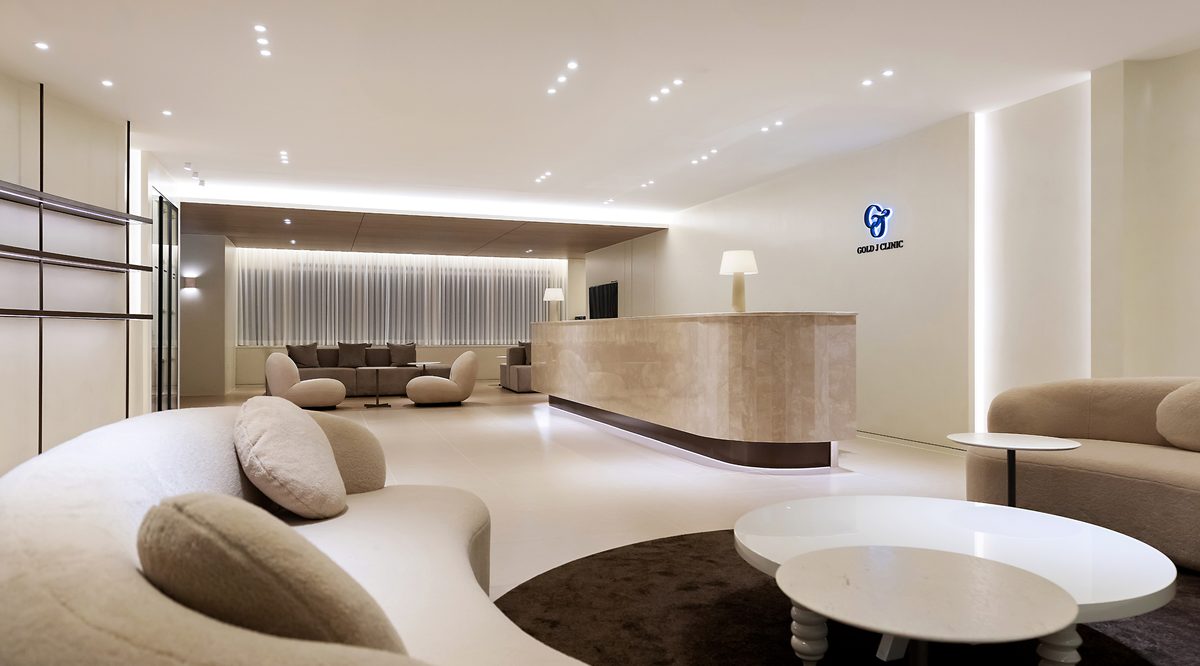
Lumiin Dermatology Clinic
Daechi-dong; distinguishes melasma from other spots and lists REEPOT, PicoSure, RevLite SI and Cellec V.
Five questions to take to your consultation
- What type is each mark? Does any spot need dermoscopy before treatment?
- Should I start with sun protection or a prescribed topical medicine instead of a device?
- What exact device, wavelength, mode and area are proposed, and why?
- How many sessions and what interval? How will I arrange aftercare or follow-up after returning home?
- Does the quote include VAT, medication, anaesthesia, aftercare and review?
Frequently asked questions
Can one pico session remove melasma?
Do not treat pico as a one-session cure. Sun protection and prescribed topical care come first; laser may be an adjunct for selected patients.
Are freckles and sunspots the same?
No. Freckles often darken with sun exposure and may fade seasonally. Solar lentigines tend to be more persistent and well-defined.
Which spots are worth discussing for REEPOT?
Ask about it for dermatologist-confirmed, well-defined superficial lesions such as solar lentigines. It is a lesion-targeted discussion, not a universal pigment plan.
How much does one pico-toning session cost?
One public basic offer starts around KRW 100,000 before VAT. Model, mode, area and promotions change the final price.
This guide helps you prepare for a consultation. It is not a diagnosis, price quotation or guarantee of results.